Category: Nose and breathing

Nasal obstruction, deviated septum, turbinates, rhinitis and sinusitis: why the nose blocks up and what to do about it.

  • Running and Nasal Obstruction: How to Breathe Well Again and Perform Better

    Running and Nasal Obstruction: How to Breathe Well Again and Perform Better

    Breathing well through your nose is essential for runners. Adequate nasal airflow warms, filters and humidifies the air, improves your sense of comfort and contributes to more efficient gas exchange, which can translate into better performance and less fatigue throughout your training sessions and races.

    Allergic rhinitis and exercise

    Allergic rhinitis is one of the leading causes of nasal obstruction in runners. Exposure to pollen, dust, mites and animal dander inflames the nasal lining, leading to congestion, sneezing and itching precisely when the body needs greater airflow. During a run, this internal swelling narrows the nasal passages and favors mouth breathing, which is less efficient and more uncomfortable, especially on cold or dry days.

    Nasal obstruction and its impact on running performance

    When the nose does not ventilate well, the need to breathe through the mouth increases, which tends to raise the perceived effort and the breathing rate. This may result in an earlier sense of tiredness, a drop in pace, poorer sleep quality from nighttime congestion and reduced recovery between sessions. In long races, breathing exclusively through the mouth also favors a dry mouth, sore throat and greater thermal discomfort, all factors that can undermine consistent performance.

    Benefits of medical treatment

    Well-managed medical treatment reduces inflammation and swelling of the nasal lining, restoring airflow through the nose. Saline solutions, intranasal corticosteroids and antihistamines, combined with a strategy of environmental control and adjusting training times according to allergic triggers, often greatly improve breathing comfort. In selected cases, allergen-specific immunotherapy may reduce nasal reactivity over time, bringing more stable symptoms and more predictable performance.

    Nasal dilators while running

    Nasal dilators can be useful allies for runners who notice their airflow worsening during more intense efforts. There are two main categories: external adhesive strips, which gently pull the nostrils outward, and internal devices, usually made of silicone, that keep the nasal valve open. In both cases, the goal is to reduce collapse of the lateral wall and ease the entry of air, especially during sprints, climbs and dry or cold days.

    In practice, they offer an immediate effect, are affordable and may lessen the feeling of suffocation, the need to breathe through the mouth and the discomfort of a dry mouth. They work best when rhinitis is under control and there is a mild component of valve weakness, serving as a complementary strategy in training, races and periods of greater exposure to allergic triggers. It is important to try different models and sizes, observe how the skin tolerates the strips and how comfortable the internal devices feel, always maintaining nasal hygiene and the medical treatment recommended by your specialist.

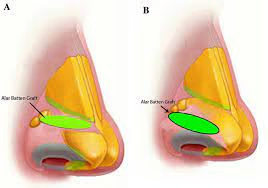
    Like any external solution, its effect is temporary and the response is individual. They do not correct structural causes of obstruction, such as a deviated septum, turbinate hypertrophy or significant collapse of the nasal valve. If you find yourself constantly depending on a dilator in order to run, a detailed otolaryngologist (ENT) evaluation is recommended to define a lasting plan. In fact, a good response to dilators may indicate that surgical valve reinforcement will bring sustained benefit; in cases of collapse during vigorous inspiration, the alar batten graft stabilizes the nasal valve, offering durable improvement in breathing comfort without compromising appearance.

    When surgery comes into play

    Not all obstruction is purely inflammatory. A deviated septum, turbinate hypertrophy and structural weakness of the nasal valve can keep congestion going even with optimized medical treatment. Surgical correction, when indicated, aims to restore anatomy and function, allowing the nasal airway to support the increased airflow of exertion without collapsing. Procedures such as septoplasty, turbinate reduction and reinforcement of the nasal valve are individualized, focusing on a lasting functional result and a safe return to activity.

    Alar batten for intense effort

    In many runners, closure of the external nasal valve during vigorous inspiration is the critical point of the obstruction. The alar batten graft acts as a discreet reinforcement of the lateral wall of the nose, preventing collapse during peak airflow. In practice, this means freer air entry during accelerations and climbs, less of a suffocating feeling, reduced reliance on mouth breathing and greater comfort at high paces. Beyond the functional benefit, a well-planned reinforcement preserves the appearance of the nose, a key aspect for those seeking a complete and lasting solution.
    Next step

    If nasal obstruction is limiting your training and holding back your running performance, a thorough evaluation with nasal endoscopy and functional testing helps shape the ideal plan for you, from advanced medical management to structural correction when needed. The practice of Dr. José Eduardo Marcondes, an otolaryngologist (ENT) with more than two decades of experience, offers personalized care at premier locations in São Paulo and Alphaville. Book a consultation and get back to running while breathing through your nose, with comfort, safety and high performance.

    Dr. José Eduardo Marcondes, physician, otolaryngologist (ENT). CRM-SP 107.711 (Brazilian medical license) | RQE 43.840 (specialist registration). This content is informational, does not replace a medical consultation, and does not supersede the plan of care defined by your own physician.

    About the author

    Dr. José Eduardo Marcondes

    Physician, Otolaryngologist (ENT) · CRM-SP 107.711 · RQE 43.840

    Trained and completed his residency at Escola Paulista de Medicina (UNIFESP), with more than two decades of experience. Focused on the treatment of snoring and sleep apnea, nasal obstruction, chronic sinusitis, adenoids and tonsils, in adults and children. Member of ABORL-CCF and of the medical staff at Hospital Israelita Albert Einstein, Vila Nova Star and São Luiz.

    Discover his full career → · Book a consultation on WhatsApp
  • Deviated Septum

    Deviated Septum

    You’ve gotten used to breathing poorly!

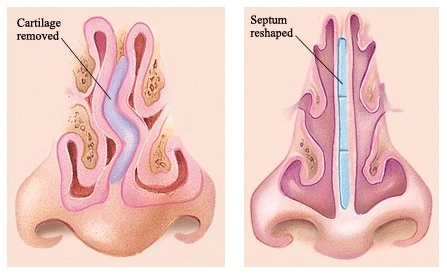
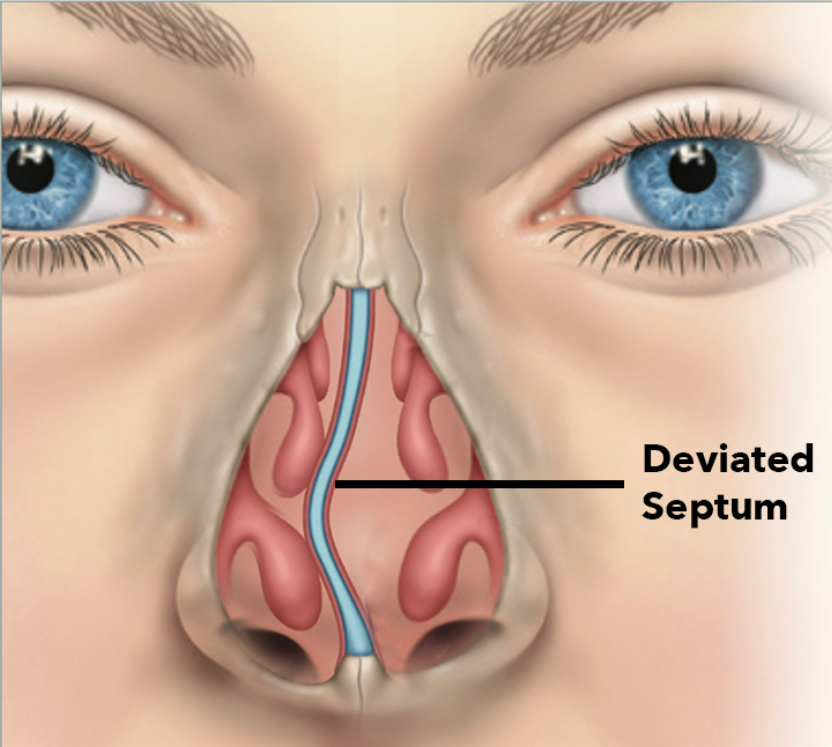
    A deviated nasal septum is a common condition affecting the inner wall of the nose, the structure responsible for dividing the nasal cavities.
    This structure, known as the septum, can obstruct airflow when it is misaligned, leading to a range of discomforts that affect daily life in subtle but persistent ways.
    Many patients come to the office without realizing how significant the problem is, because the body gradually adapts over time, normalizing inadequate breathing that could be much better.

    Deviated Septum
    Deviated Septum

    Symptoms of Nasal Obstruction

    The symptoms of nasal obstruction caused by a deviated septum are varied and often underestimated. The main complaint is difficulty breathing through the nostrils, especially on one side, which may worsen during colds or in dry environments, resulting in a constant feeling of a stuffy nose. A deviated septum often comes with enlarged turbinates.

    Other signs include nighttime snoring, a preference for sleeping on a particular side to ease breathing, and a heightened awareness of the natural nasal cycle, in which one nostril feels more blocked than the other at alternating times. These discomforts can progress to mild facial pain or pressure in the paranasal sinuses, affecting sleep quality and daily energy.

    A body that has settled into mouth breathing!

    An important point is that many people get used to breathing poorly over the years and don’t realize how much it limits their vitality. What begins as mild congestion can become routine, leading to a reliance on mouth breathing that dries out the mouth, promotes cavities, and may even alter facial structure in long-standing cases. This adaptation masks the problem, but over time it proves harmful, especially for those seeking an active, healthy lifestyle.

    Man having difficulty breathing
    Man having difficulty breathing

    Risks of a deviated septum

    Among the associated risks are recurrent infections, such as chronic rhinosinusitis (CRS), resulting from inadequate drainage of the paranasal sinuses. The deviation can hinder the normal flow of mucus and air, creating an environment favorable to bacteria and inflammation that may cause intense headaches, fatigue, and recurring fevers. Left uncorrected, these infections can become chronic, affecting not only nasal health but also overall immunity and emotional well-being.

    Treatment is less complicated than you might think

    The good news is that the corrective surgery, known as septoplasty, can offer an effective solution to the problem. Performed by otolaryngology (ENT) specialists, the procedure repositions the septum to restore nasal balance, often improving breathing right away and reducing the risk of complications.

    At Dr. José Eduardo Marcondes’s practice, we use modern techniques that eliminate the need for postoperative nasal packing, helping to avoid discomforts such as bleeding, infection, and the sensation of complete obstruction that came with older procedures. With precise sutures and septal quilting (transfixing sutures), patients often experience a faster, more comfortable recovery, frequently returning to their activities within a few days.

    Stay alert

    If you recognize these symptoms in your daily life or would like a personalized evaluation, book a consultation with Dr. José Eduardo Marcondes. With more than 20 years of experience caring for a discerning clientele at the finest addresses in São Paulo and Alphaville, the doctor provides distinctive care focused on natural, lasting results that enhance your quality of life. Get in touch via WhatsApp for more information and book your consultation today.

    Dr. José Eduardo Marcondes, physician, otolaryngologist (ENT). CRM-SP 107.711 (Brazilian medical license) | RQE 43.840 (specialist registration). This content is informational, does not replace a medical consultation, and does not supersede the plan of care defined by your own physician.

    About the author

    Dr. José Eduardo Marcondes

    Physician, Otolaryngologist (ENT) · CRM-SP 107.711 · RQE 43.840

    Trained and completed his residency at Escola Paulista de Medicina (UNIFESP), with more than two decades of experience. Focused on the treatment of snoring and sleep apnea, nasal obstruction, chronic sinusitis, adenoids and tonsils, in adults and children. Member of ABORL-CCF and of the medical staff at Hospital Israelita Albert Einstein, Vila Nova Star and São Luiz.

    Learn about his full career → · Book a consultation on WhatsApp
  • What Are the Nasal Turbinates?

    What Are the Nasal Turbinates?

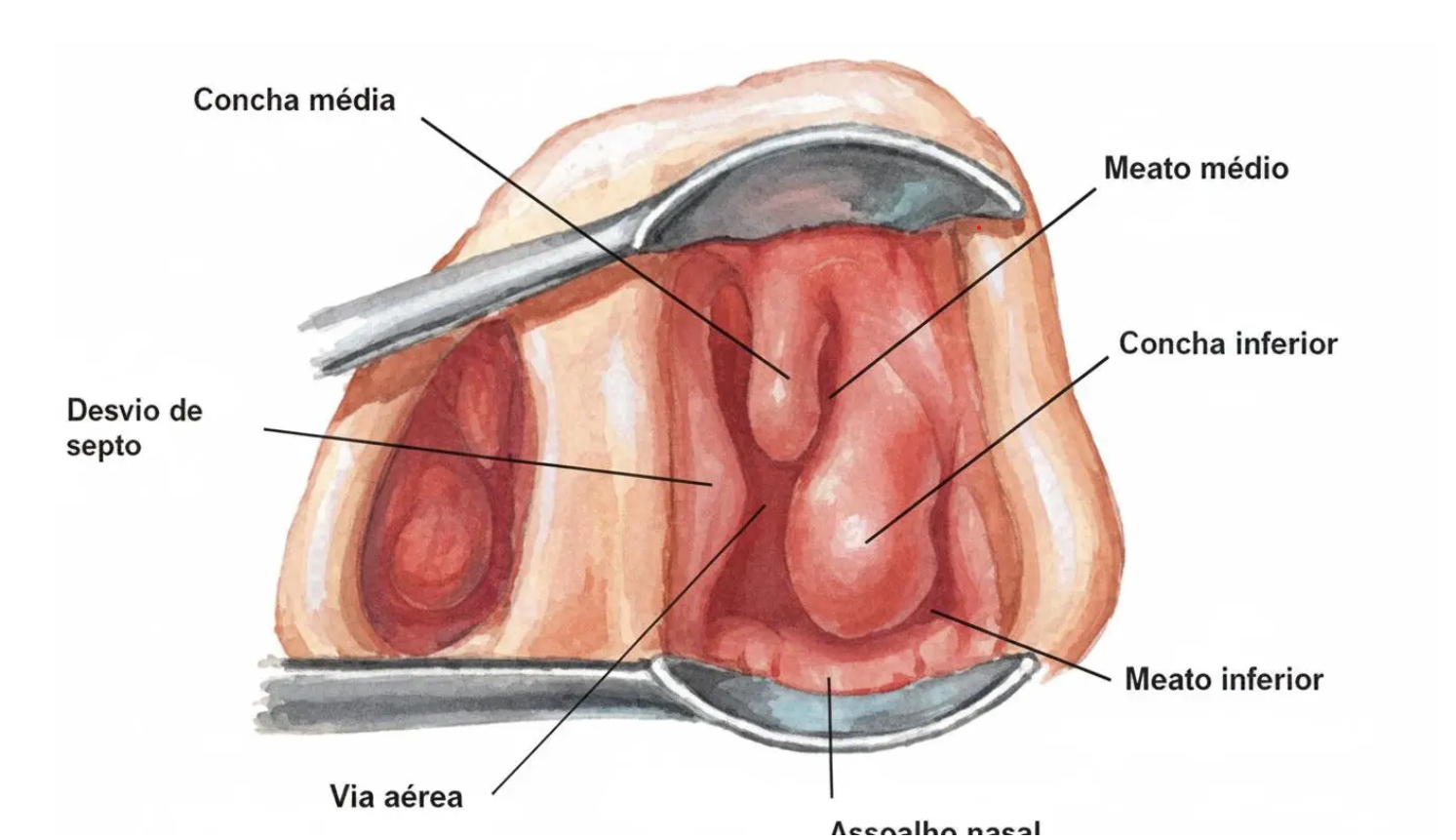
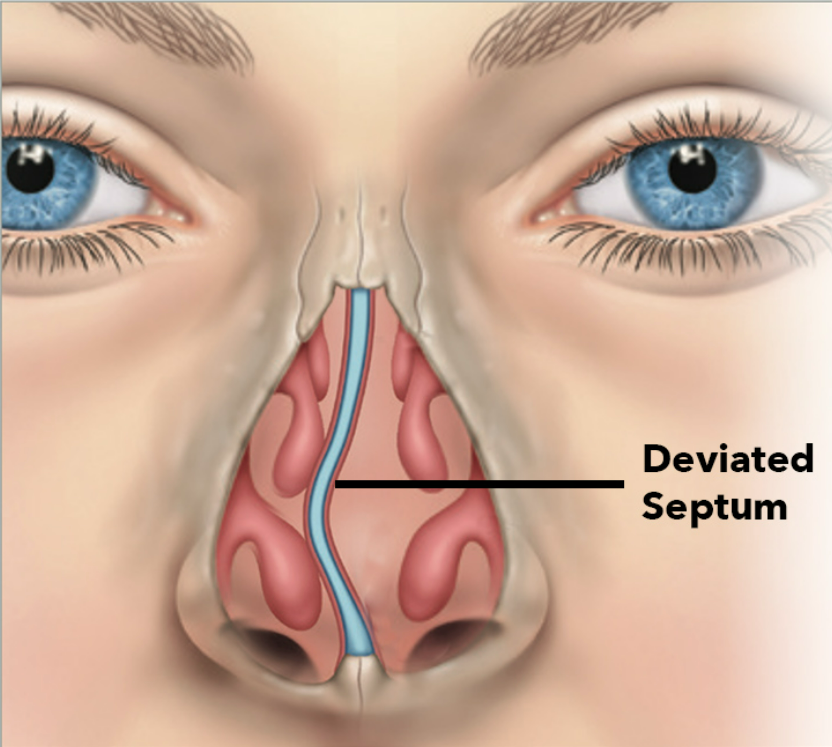
    The nasal turbinate is a bony structure covered by mucosa located on the lateral wall of the nose, responsible for warming, humidifying, filtering, and directing the air we breathe. These functions are essential for efficient, comfortable breathing in everyday life.

    Also known as the nasal concha or turbinate, it is part of the nasal cavity and is made up of bone covered by respiratory mucosa.

    There are normally three turbinates on each side (inferior, middle, and superior) and, in some people, a fourth one may be present, called the supreme turbinate.

    How do they help with breathing?

    The aerodynamic shape of the nasal turbinates directs the airflow inside the nose, promoting a steady, quiet passage of air. Part of this flow is channeled toward the paranasal sinuses and the olfactory region, allowing us to perceive smells.

    The “levels” of the nose

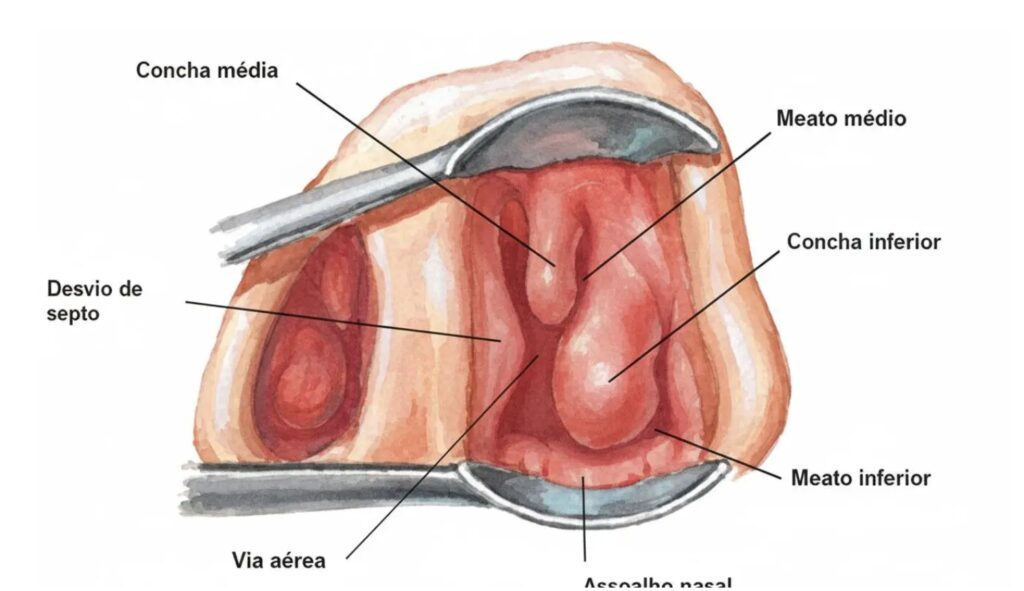
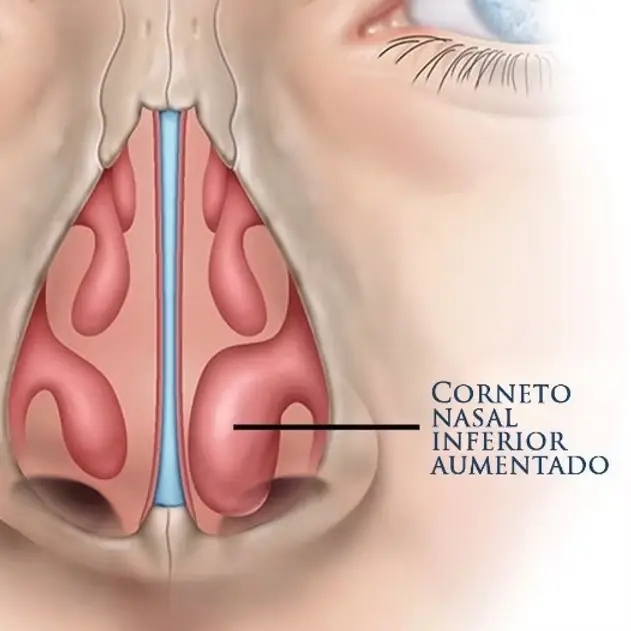
    The turbinates divide the nasal cavity into meatuses, known as the “levels” of the nose: inferior, middle, and superior. In the inferior meatus, the inferior turbinate, the largest and with a rich vascular network, regulates the nasal cycle and takes part in warming and humidifying the air, and it also houses the nasolacrimal duct, through which tears drain. In other words, our tears drain into the nose, which is why the nose becomes congested when we cry.

    The middle meatus contains the openings of the paranasal sinuses and tends to accumulate secretions during infections, sinusitis, and allergic processes.

    The olfactory nerve, responsible for our sense of smell, is located in the superior meatus. Only a small part of the air we breathe reaches this region.

    When do the nasal turbinates enlarge?

    Several conditions can lead to enlargement (hypertrophy) of the turbinates and cause nasal obstruction, such as:

    • Rhinitis – causes chronic inflammation of the mucosa
    • recurrent sinusitis – infectious processes also lead to persistent inflammation of the mucosa
    • environmental irritants – pollutants such as sulfur, ozone, smoke particles, among others
    • anatomical changes – such as a deviated nasal septum, nasal polyposis, and enlarged adenoids
    • vascular causes – vasomotor rhinitis can also lead to enlargement of the turbinates

    In adults, turbinate enlargement is often associated with other conditions, especially a deviated septum, and this combination is one of the main causes of chronic nasal congestion.

    Consequences of enlarged turbinates

    As we have seen, each level of the nose is responsible for a specific function, and enlargement of the nasal turbinates can interfere with each of them. The most common symptom of this enlargement is nasal obstruction, which occurs when the “lower level” is blocked. When the “second level” (known as the middle meatus) is affected, the main symptoms are related to sinus disorders, more specifically chronic sinusitis. The “third level,” the superior meatus, can lead to a reduced sense of smell.

    Beyond obstruction, turbinate hypertrophy may contribute to snoring, sleep apnea, and a lower quality of breathing-related life. A feeling of being constantly congested, the need to breathe through the mouth, and worsening at night are common complaints that warrant specialized evaluation.

    Medical treatment

    The first line of care aims to reduce inflammation and the size of the turbinates with nasal corticosteroid sprays and antihistamines, as recommended by the otolaryngologist (ENT). Nasal rinsing with saline solution helps complement symptom control, and decongestants should be used with caution and for a limited time to avoid a rebound effect.

    Surgical treatment

    When symptoms persist or there is significant obstruction, procedures such as turbinoplasty (reduction while preserving the mucosa) or turbinectomy (partial/total removal) may be indicated, decided on a case-by-case basis. Turbinate surgery is frequently combined with septoplasty when there is a deviated septum, in order to widen the airway while maintaining mucosal function.

    When to seek care

    Persistent nasal obstruction, worsening sleep, snoring, or a poor response to home treatments are signs to see an otolaryngologist and discuss personalized options, ranging from medical measures to functional surgery.

    In São Paulo or Barueri, you can schedule a specialized evaluation to help define the best strategy to breathe better with safety and comfort.

    Schedule your evaluation

    For individualized guidance and well-grounded treatment decisions, schedule a consultation with Dr. José Eduardo Marcondes in São Paulo or Barueri and learn about the approaches that may help restore nasal airflow while preserving function. Efficient breathing and quality of life go hand in hand when technical expertise and empathy work in harmony.


    Dr. José Eduardo Marcondes, physician, otolaryngologist (ENT). CRM-SP 107.711 (Brazilian medical license) | RQE 43.840 (specialist registration). This content is informational, does not replace a medical consultation, and does not supersede the plan of care defined by your own physician.

    About the author

    Dr. José Eduardo Marcondes

    Physician, Otolaryngologist (ENT) · CRM-SP 107.711 · RQE 43.840

    Trained and completed his residency at Escola Paulista de Medicina (UNIFESP), with more than two decades of experience. Focused on the treatment of snoring and sleep apnea, nasal obstruction, chronic sinusitis, adenoids and tonsils, in adults and children. Member of ABORL-CCF and of the medical staff at Hospital Israelita Albert Einstein, Vila Nova Star and São Luiz.

    Read the full background → · Schedule a consultation on WhatsApp

  • Chronic Sinusitis: Causes, Treatment and Prevention

    Chronic Sinusitis: Causes, Treatment and Prevention

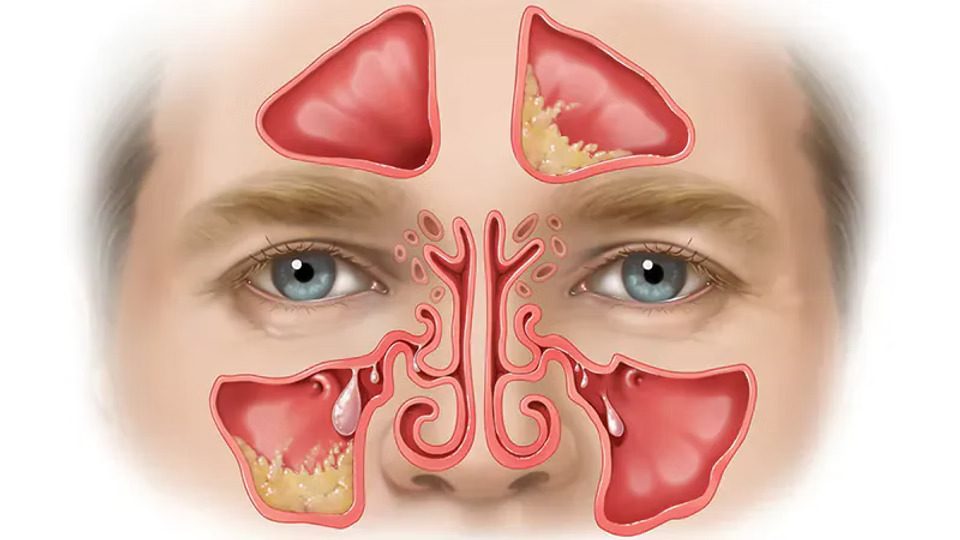
    What are the paranasal sinuses

    The paranasal sinuses are air-filled cavities within the bones around the nose (maxillary, frontal, ethmoid and sphenoid), lined by a mucous membrane that produces mucus to filter and humidify the air and to help protect the airway. Beyond this protective role, they act as resonance chambers for the voice and help reduce the weight of the facial bones; when mucous drainage becomes obstructed, the cycle of inflammation and infection typical of rhinosinusitis sets in.

    Acute sinusitis vs. chronic sinusitis: the essential difference

    Acute rhinosinusitis usually accompanies a cold, lasts up to 4 weeks and, in most cases, resolves with supportive care; when symptoms worsen after 5 days or persist beyond 10 days, a non-viral form should be considered.

    The chronic form, more accurately called chronic rhinosinusitis, persists for more than 12 weeks, with symptoms such as nasal obstruction and discharge, and may include facial pressure and a reduced sense of smell, with confirmation by endoscopy and, when indicated, a CT scan.

    Main causes and associated factors

    • Sustained inflammation of the mucosa from allergies or viral, bacterial or fungal infections may trigger and perpetuate the chronic condition.
    • Anatomical alterations, such as a deviated septum and narrowing of the middle meatus, can compromise ventilation and drainage, favoring recurrence.
    • Nasal polyps and immune-related conditions contribute to mechanical obstruction and type 2 inflammation, increasing resistance to medical treatment alone.

    Symptoms that deserve attention

    Nasal obstruction/congestion and anterior discharge or post-nasal drip are central to the diagnosis; a reduced sense of smell and facial pressure or pain are common.

    A nighttime cough may predominate, especially due to secretions draining into the airway, and fatigue is common in long-standing cases.

    Accurate, individualized diagnosis

    The assessment begins with a detailed clinical history and nasal rhinoscopy/endoscopy, which documents inflammation, purulent secretion, swelling or polyps. A CT scan is indicated when initial medical treatment fails, in order to map the disease and guide the surgical approach when needed.

    Structured medical treatment

    • Daily intranasal corticosteroids and hypertonic or isotonic saline irrigation form the foundation for reducing swelling and biofilm and improving mucociliary clearance.
    • In bacterial flare-ups, oral antibiotics may be considered; in selected cases, a short course of systemic corticosteroids can help control the inflammation.
    • Antihistamines and management of allergic and asthmatic comorbidities optimize results and reduce relapses; the use of topical decongestants should be careful to avoid a rebound effect.

    When surgery is indicated

    Functional endoscopic sinus surgery (FESS) is indicated when there is refractoriness to optimized medical treatment, the presence of extensive polyps, or significant anatomical obstruction.

    Evidence shows substantial improvement in symptoms, quality of life and objective findings after surgery; even so, maintenance with topical therapies remains essential for long-term control.

    The role of biologics in nasal polyps

    In chronic rhinosinusitis with polyps and type 2 inflammation, biologics such as anti-IgE and anti-IL-4/13 agents may reduce polyp volume, secretion and the need for revision surgery in suitable patients.

    Strategies combining endoscopic surgery and biologics have shown complementary benefit, with sustained improvement in symptoms and on endoscopy.

    Daily care and prevention

    Nasal irrigation with saline solution and the correct use of topical corticosteroids reduce flare-ups and keep the mucosa healthy over time.

    Controlling allergens, staying hydrated, getting the influenza vaccine and humidifying the environment during dry periods help minimize seasonal exacerbations.

    When to schedule a specialist consultation

    Symptoms persisting for more than 12 weeks, loss of smell, multiple episodes per year, or worsening after the usual therapies all warrant an evaluation with an otolaryngologist (ENT) for endoscopy and an individualized plan.

    In São Paulo, an integrated approach (rigorous diagnosis, optimized medical treatment and, when necessary, endoscopic surgery) offers consistent relief and helps restore quality of life in a safe and predictable way.

    Dr. José Eduardo Marcondes, physician, otolaryngologist (ENT). CRM-SP 107.711 (Brazilian medical license) | RQE 43.840 (specialist registration). This content is informational, does not replace a medical consultation, and does not supersede the plan of care defined by your own physician.

    About the author

    Dr. José Eduardo Marcondes

    Physician, Otolaryngologist (ENT) · CRM-SP 107.711 · RQE 43.840

    Trained and completed his residency at Escola Paulista de Medicina (UNIFESP), with more than two decades of experience. Focused on the treatment of snoring and sleep apnea, nasal obstruction, chronic sinusitis, adenoids and tonsils, in adults and children. Member of ABORL-CCF and of the medical staff at Hospital Israelita Albert Einstein, Vila Nova Star and São Luiz.

    Discover the full story → · Schedule an appointment on WhatsApp

Agende