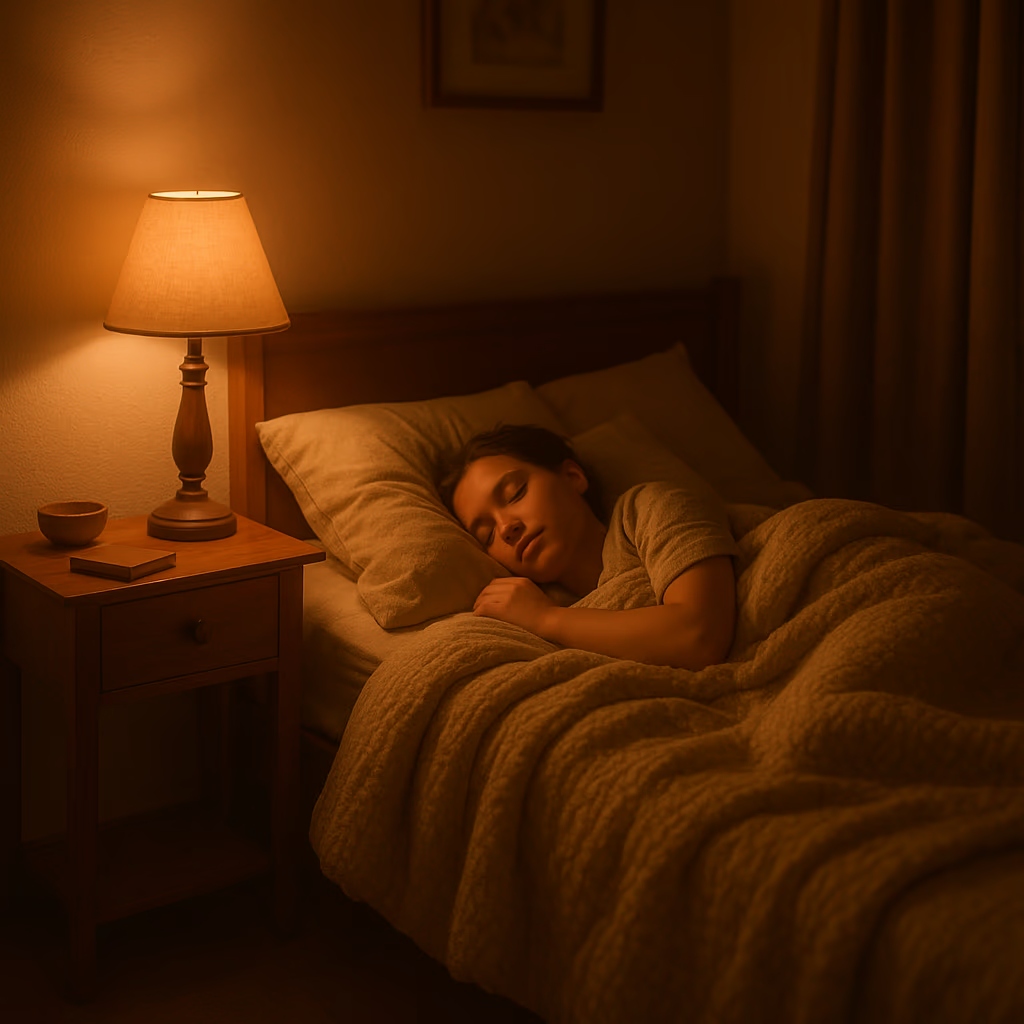
Sleeping well is a necessity, not a luxury!
Imagine waking up every morning feeling genuinely rested, with the energy to take on the day’s challenges and the readiness to enjoy every moment. This is not a distant reality or a privilege reserved for a few – it is the natural result of quality sleep, something most of us can achieve with the right habits.
Sleep goes far beyond simple rest. It is during these precious hours that the body renews itself: the immune system grows stronger, memory is consolidated, tissues repair themselves, and essential hormones are produced. When we sleep well, we not only recover energy but literally prepare ourselves to be the best version of ourselves the following day.
The Connection Between Table and Bed: How Diet Influences Sleep
What we put on our plate has a direct impact on the quality of our nights. Some foods are true allies of sleep, while others can turn bedtime into a frustrating struggle.
The stars of a sleep-friendly dinner include foods rich in tryptophan, an amino acid that the body converts into serotonin and, later, into melatonin – the well-known sleep hormone. Fish such as salmon and tuna, lean meats like chicken and turkey, eggs, milk and dairy products, along with nuts and seeds, are excellent options to include in your diet.

Fruits also deserve special mention. Bananas, in addition to tryptophan, provide magnesium and potassium, minerals that support muscle relaxation. Cherries are a natural source of melatonin, while kiwi has properties that may help both with falling asleep and with staying in deep sleep.
For dinner, the golden rule is simplicity and lightness. Very heavy meals that are rich in fat or heavily seasoned can cause digestive discomfort and disrupt sleep. Ideally, have your last meal at least two hours before lying down, so that digestion does not interfere with rest.
A few precautions are essential: avoid caffeine after 2 p.m., as it can remain active in the body for up to 8 hours. Chocolate, soft drinks, and even some teas contain stimulant substances. Alcohol, although it may initially cause drowsiness, fragments sleep during the night, resulting in poor-quality rest.
Movement That Soothes: The Role of Exercise in Sleep Quality
Regular physical activity is one of the most valuable investments we can make to improve our sleep. People who are physically active are nearly twice as likely to maintain high-quality sleep compared with those who are sedentary.
Aerobic exercise, such as walking, running, swimming, or cycling, is especially beneficial. It boosts blood circulation, promotes relaxation, and helps regulate the body’s circadian rhythms. Just 30 minutes of moderate activity can already make a meaningful difference in how easily you fall asleep and in the depth of your sleep.
The timing of exercise also matters. Activities done in the morning or afternoon help synchronize the body clock, while intense exercise too close to bedtime can have a stimulating effect. Ideally, finish vigorous workouts at least 3 hours before lying down.
For those who are short on time, gentler activities such as yoga, pilates, or stretching before bed can be excellent options. They promote muscular and mental relaxation, creating a natural transition between wakefulness and sleep.
Creating a Sanctuary for Rest: The Ideal Environment
Your bedroom should be an invitation to relax. Small adjustments to the environment can completely transform the quality of your sleep, without major expense.
Temperature is a crucial and often overlooked factor. The ideal environment for sleeping should be between 18°C and 22°C. Our body naturally lowers its temperature during sleep, and a room that is too hot or too cold can interrupt this natural process. Use bedding appropriate for the season and maintain good ventilation.
Darkness is essential for adequate melatonin production. Blackout curtains or sleep masks can be great allies, especially if you live in areas with a lot of external lighting. Avoid blue light from electronic devices for at least an hour before bed, as it “tricks” the brain into believing it is still daytime.
Silence also contributes to restorative sleep. If you cannot control external noise, consider using earplugs or relaxing sounds that mask the disturbing background noise.
The way the space is organized directly influences our ability to relax. A clean, tidy bedroom conveys a sense of calm, while cluttered surroundings can generate unconscious anxiety.
Routines That Transform: Building Powerful Habits
Consistency is the key to quality sleep. Our body works best with predictable routines, and that includes the times we go to bed and wake up.
Set a fixed time to go to bed and get up, even on weekends. This regularity helps fine-tune the internal body clock, so that you feel sleepy naturally at the right time and wake up feeling more refreshed.
Create a relaxation ritual before bed. This might include a warm bath, reading a book, meditation, or simple breathing techniques. What matters is that they are calm, pleasant activities that signal to the body that it is time to prepare for rest.
If you cannot fall asleep within 20 minutes, get out of bed and do a relaxing activity in another room, returning only when you feel sleepy. This keeps the brain from associating the bed with insomnia and anxiety.
Small Changes, Great Transformations
Improving sleep quality does not require radical changes to your routine. Small, consistent adjustments can produce surprising results. Start by choosing one or two suggestions that make the most sense for your current situation and put them into practice gradually.
Keep in mind that each person is unique, and it may take a few weeks for your body to adapt to new routines. Be patient with yourself throughout this process of change.
When we prioritize sleep, we are investing in our physical, mental, and emotional health. We are choosing more energy, a better mood, greater ability to concentrate, and a stronger immune system. In a world that often glorifies sleep deprivation as a sign of productivity, caring for your rest is an act of self-care and wisdom.
Well-slept nights are the foundation for extraordinary days. Why not start building that solid foundation today, for a fuller and healthier life?

Dr. José Eduardo Marcondes, physician, otolaryngologist (ENT). CRM-SP 107.711 (Brazilian medical license) | RQE 43.840 (specialist registration). This content is informational, does not replace a medical consultation, and does not supersede the plan of care defined by your own physician.
Sleep well again.
The diagnosis is individual. Book a consultation and find out what applies to your case.
Read also:
About the author
Dr. José Eduardo Marcondes
Physician, Otolaryngologist (ENT) · CRM-SP 107.711 · RQE 43.840
Trained and completed his residency at Escola Paulista de Medicina (UNIFESP), with more than two decades of experience. Focused on the treatment of snoring and sleep apnea, nasal obstruction, chronic sinusitis, adenoids and tonsils, in adults and children. Member of ABORL-CCF and of the medical staff at Hospital Israelita Albert Einstein, Vila Nova Star and São Luiz.
Discover his full career → · Schedule a consultation on WhatsApp
Leave a Reply