What should parents watch for? When is surgery needed?
I want to talk to parents about adenotonsillectomy in children. I know this topic can raise many questions, so I will explain in a simple and clear way everything that is important for you to understand what is happening with your child, what to watch for, when it may be time to consider surgery, and how it is performed.
First of all: what are the adenoids?
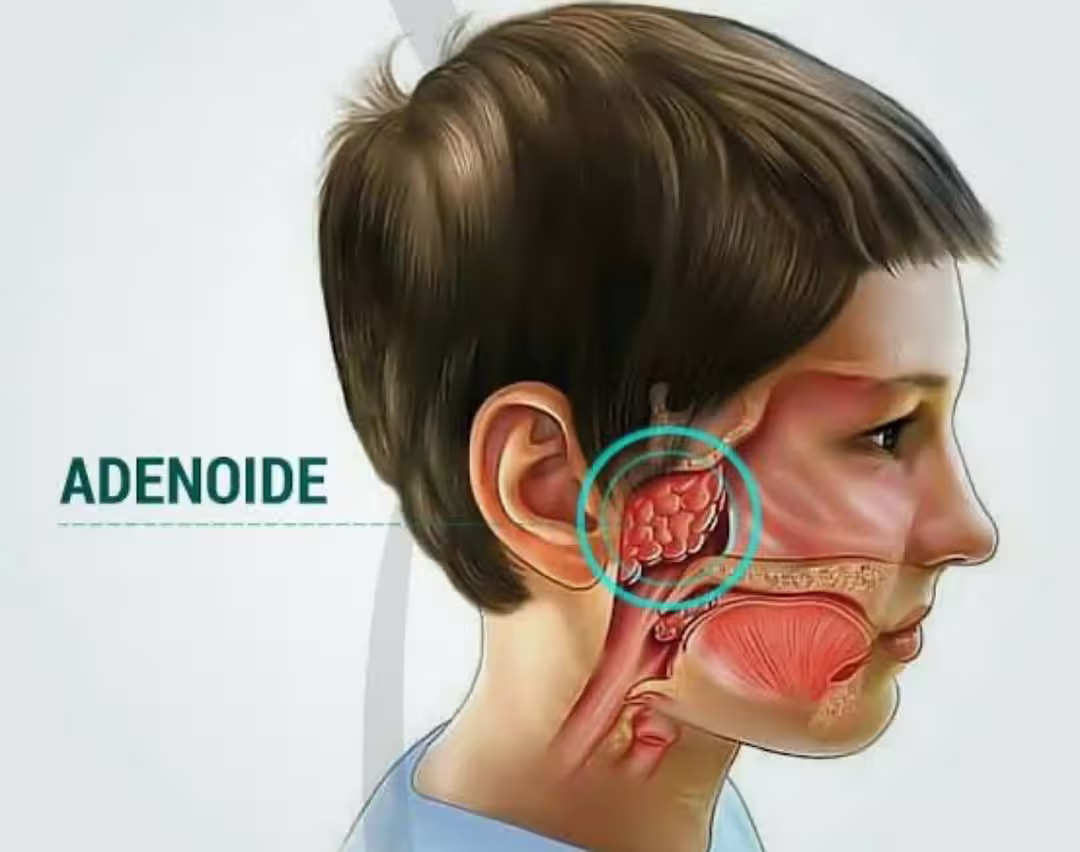
This is one of the most common questions parents ask. What are the adenoids, sometimes called “spongy tissue”? The adenoids are a type of tonsil located at the back of the nose. Every child has this structure, but it can cause significant problems when it becomes too large.
What aspects should you pay attention to?
One of the most important things to notice is whether your child frequently breathes through the mouth, even when not having a cold. Blocked nasal breathing causes the child to sleep with the mouth open and often to snore.
Also keep an eye on your child’s mood: excessive tiredness, irritability with no apparent cause, and lack of energy may be linked to poor oxygenation during sleep.
If you notice a more “muffled,” nasal-sounding voice, this may be a sign of nasal obstruction. It is also worth noting any reports of pauses in breathing while the child sleeps.
Another sign is children who eat very quickly or take a long time to swallow their food.
Symptoms and signs that may indicate enlarged adenoids
When the adenoids grow too much, certain signs tend to appear that do not go unnoticed.
The child complains of a stuffy nose without having a cold, has persistent bad breath, and dryness around the mouth.
Children often complain of a “blocked ear” or ringing, because enlarged adenoids may impair proper drainage of the middle ear, which can favor infections. Recurrent ear infections are common and may affect hearing.
During sleep, in addition to snoring, restless sleep is frequent, with the child waking several times, which can lead to drowsiness or difficulty concentrating at school.
When is surgery indicated?
I usually recommend adenotonsillectomy when treatment with nasal sprays, antibiotics, or clinical follow-up does not resolve the obstruction and infections keep recurring.
If your child snores a lot, has obstructive sleep apnea at night, or has had three or more ear infections within a few months, surgery may be the solution in selected cases.
In addition, prolonged mouth breathing may affect facial and dental development, which is why timely intervention can help prevent changes in the dental arch and tooth alignment.
Traditional surgical techniques for adenoids and tonsils in children
The classic method of removing the adenoids and tonsils in children uses instruments to cut and curette the tissue. It is a safe procedure, but it may cause somewhat more discomfort and bleeding.
Electrocautery, which uses heat to remove the tissue and control bleeding, has become popular because it reduces intraoperative bleeding. However, it can still cause moderate pain in the first few days after surgery.
Advanced technologies: microdebrider and radiofrequency
To offer children greater comfort and safety, I use two state-of-the-art technologies.
The microdebrider for adenoidectomy is used to perform the surgery with video guidance, allowing only the excess tissue to be removed, healthy structures to be preserved, and bleeding to be reduced.
In tonsillectomy, radiofrequency removes the tissue with controlled heat, which tends to result in less postoperative pain and faster recovery. Recovery is generally far more comfortable with this technology.
These technologies may allow earlier discharge, a quicker return to school activities, and much greater peace of mind for the whole family.
If your child shows these characteristics, schedule a consultation through our WhatsApp to better understand the best options to improve your little one’s quality of life.
Dr. José Eduardo Marcondes, physician, otolaryngologist (ENT). CRM-SP 107.711 (Brazilian medical license) | RQE 43.840 (specialist registration). This content is informational, does not replace a medical consultation, and does not supersede the plan of care defined by your own physician.
Sleep well again.
The diagnosis is individual. Book a consultation and find out what applies to your case.
Read also:
About the author
Dr. José Eduardo Marcondes
Physician, Otolaryngologist (ENT) · CRM-SP 107.711 · RQE 43.840
Trained and completed his residency at Escola Paulista de Medicina (UNIFESP), with more than two decades of experience. Focused on the treatment of snoring and sleep apnea, nasal obstruction, chronic sinusitis, adenoids and tonsils, in adults and children. Member of ABORL-CCF and of the medical staff at Hospital Israelita Albert Einstein, Vila Nova Star and São Luiz.
Learn about his full career → · Schedule a consultation on WhatsApp
Leave a Reply