The Eustachian tube is the channel that connects the middle ear to the nose and throat, and it works like a valve that opens during actions such as swallowing, yawning, or chewing to equalize the pressure in the ear with that of the surrounding environment. When this equalization fails, especially during rapid changes in altitude, you may experience pain, a feeling of a blocked ear, and clicking or popping sensations, a phenomenon that is very common on flights and when driving down mountain roads.
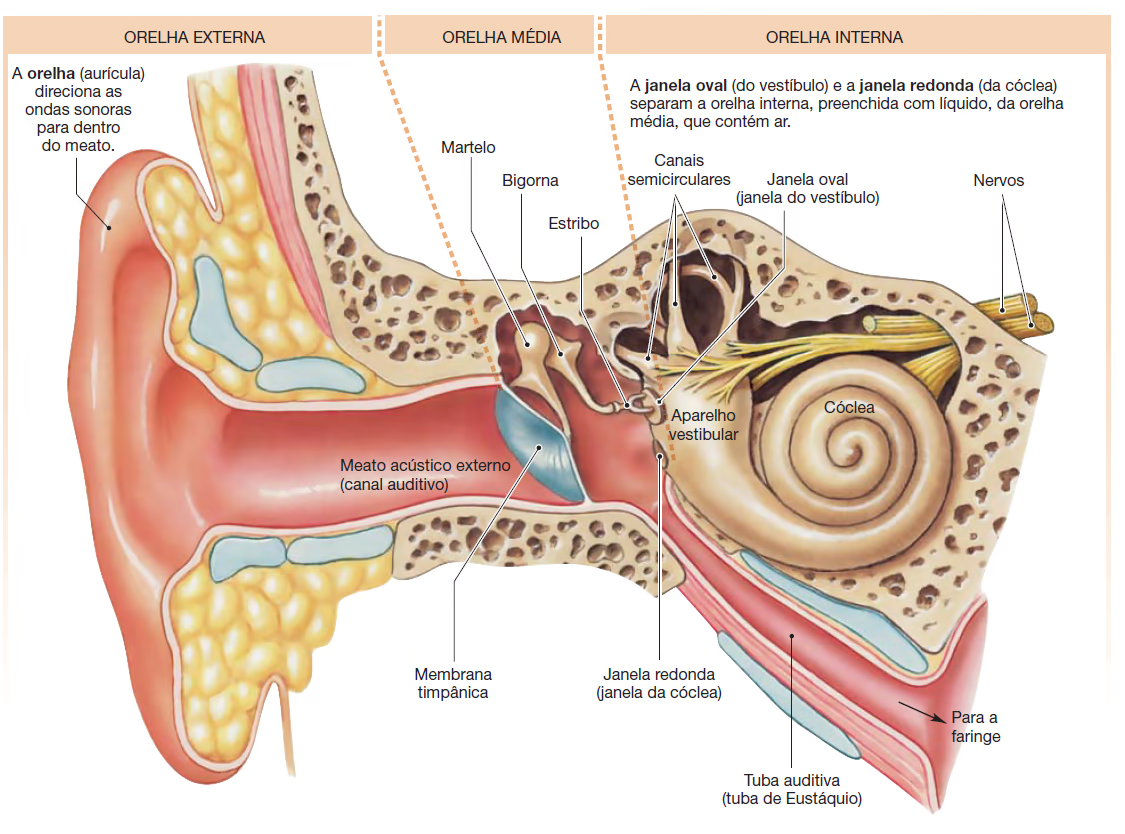
The Eustachian tube and its role
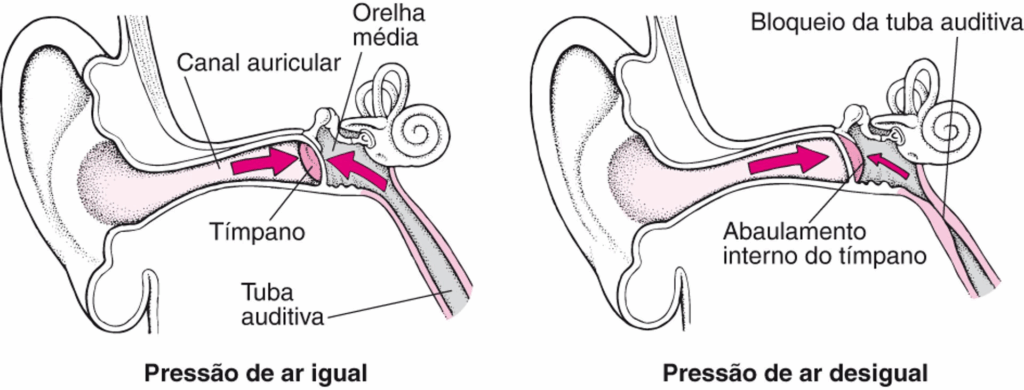
Each time we swallow or yawn, the Eustachian tube allows air to move in and out of the middle ear, keeping the eardrum in a comfortable position and preserving hearing. If the lining of the nose and nasopharynx is inflamed by rhinitis, sinusitis, or a cold, this airflow may be impaired and the tube tends to “lock,” generating negative or positive pressure in the ear.
Why it hurts on the plane and in the mountains
Inside an airplane cabin or on mountain roads, atmospheric pressure changes rapidly. If the tube does not open at the right pace, a pressure imbalance is created that pulls or pushes on the eardrum, causing pain, a feeling of fullness, and a temporary reduction in hearing. Descent tends to be the most critical moment on a flight, since the external pressure increases and the ear needs the tube to open efficiently in order to compensate.
What is serous otitis media
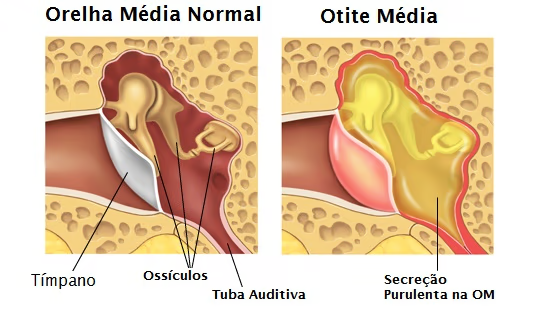
Serous otitis media is the buildup of fluid behind the eardrum without signs of acute infection, usually resulting from Eustachian tube dysfunction after colds, allergies, or episodes of barotrauma caused by pressure changes. This fluid reduces the mobility of the eardrum and the ossicular chain, leading to muffled hearing, a sensation of a full ear, and clicking when swallowing.
Symptoms that deserve attention
A feeling of a blocked ear, pressure or fullness, with clicking when yawning or swallowing.
Reduced or fluctuating hearing, ringing in the ear (tinnitus) and, at times, mild imbalance, particularly after flights, mountain descents, or upper airway infections.
Pain that worsens with changes in altitude or when trying to equalize the pressure.
How the diagnosis is made
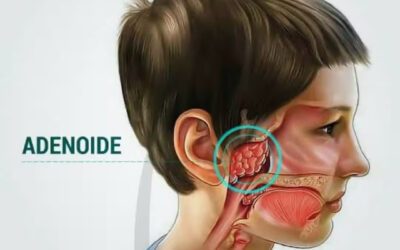
The otolaryngology evaluation assesses the position and mobility of the eardrum and the presence of signs of fluid in the middle ear. Tests such as tympanometry and audiometry help confirm the serous buildup and quantify the conductive hearing loss, guiding the most appropriate course of action. In adults, persistent one-sided cases call for a careful investigation of the nasopharynx and of factors that may be obstructing the tube.
Treatment and prevention
Many cases of serous otitis media resolve on their own as Eustachian tube function recovers, which is why active observation, control of rhinitis, and self-inflation measures are common initial strategies.
During flights or mountain descents, swallowing repeatedly, chewing gum, yawning, and performing gentle equalization maneuvers may help open the tube. It is important to do them without excessive force.
Avoiding travel with a very congested nose and, when recommended by a specialist, using nasal sprays or decongestants for a short period may reduce the risk of barotrauma. Filtered earplugs designed for flying may be helpful for people who are sensitive to pressure changes.
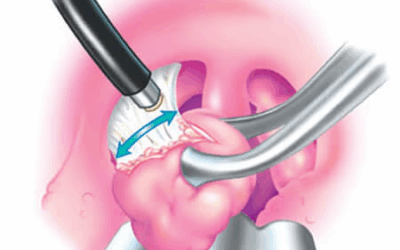
When fluid persists and affects quality of life, options such as ventilation tubes in the eardrum may help restore aeration of the middle ear. In selected cases, especially with chronic Eustachian tube dysfunction, Eustachian tube dilation may be considered after an individualized evaluation. In children, this relates to when an ear tube is needed.
When to see an ENT specialist
Seek care if you have intense pain, discharge from the ear, significant dizziness, fever, or if the feeling of a blocked ear and hearing loss persist longer than expected after a flight or a cold. Children, pregnant women, frequent flyers, and people with a history of ear problems may benefit from personalized preventive guidance before traveling. Relapses or prolonged symptoms deserve a detailed evaluation to confirm the diagnosis and define the most appropriate treatment.
Specialized care in São Paulo (Itaim and Morumbi) and Alphaville
For those who experience pain on a plane, discomfort when descending a mountain road, or a recurring feeling of a blocked ear, a careful evaluation makes it possible to identify the cause and choose the best approach, from clinical management to intervention when necessary. With long-standing experience in otolaryngology and care at well-regarded locations in Itaim, Morumbi, and Alphaville, the practice of Dr. Jose Eduardo Marcondes offers accurate diagnosis and a personalized plan to restore comfort and confidence to your travels and your daily life. Schedule your appointment and receive complete guidance focused on your case.
About the author
Dr. José Eduardo Marcondes
Otolaryngologist (ENT) · CRM-SP 107.711 · RQE 43.840
Trained and completed his residency at the Escola Paulista de Medicina (UNIFESP), with more than two decades of experience. A pioneer in the use of robotic surgery (TORS) for sleep apnea. Member of the clinical staff at Hospital Albert Einstein, Vila Nova Star, and São Luiz. Member of ABORL-CCF.
Learn about his full career → · Schedule an appointment on WhatsApp