Hearing is the foundation of language, social interaction, and learning, and small changes in how a child hears can have a major impact on development. Identifying problems early, providing reassurance with reliable information, and acting promptly can reshape a child’s path in speech, school, and family life.
Why hearing matters from the very start
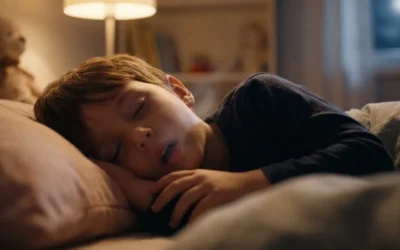
From birth, the brain learns language from the sounds in the environment and the voice of a caregiver. When hearing is not fully intact, a child may start speaking later, tire more easily in noisy settings, and rely on lip-reading to follow conversations, which can sometimes be mistaken for inattention or shyness.
Most common causes of hearing loss in children
– Otitis media with effusion: fluid behind the eardrum that reduces the passage of sound, common in early childhood and often silent.
– Congenital sensorineural hearing loss: it may be genetic, isolated, or part of a syndrome, and may remain stable or progress over time.
– Infections: cytomegalovirus during pregnancy and meningitis in childhood are among the most relevant infectious causes.
– Perinatal factors: prematurity, neonatal hospital stays, significant jaundice, and hypoxia increase risk and call for monitoring.
– Ototoxicity and noise: some medications and prolonged use of headphones at high volume may damage the cochlea, especially in school-age children and adolescents.
– Other conditions: earwax impaction, anatomical changes of the ear, and autoimmune diseases are also worth considering.
Signs that deserve attention
– In early life: little startle response to loud sounds, limited babbling, difficulty locating sounds, and a reduced response to their own name.
– In early childhood: delayed speech, persistent sound substitutions, a need to see the speaker’s mouth, and apparent inattention.
– At school age: keeping the television volume high, frequently asking for repetition, listening fatigue at the end of the day, and complaints of ringing in the ears (tinnitus).
– At any age: a family history of hearing loss, recurrent ear infections, rhinitis, and chronic mouth breathing are additional warning signs.
What to watch for day to day
– Language milestones: the progression from babbling to syllables, words, and sentences should occur steadily, even in bilingual settings.
– Noisy environments: disproportionate difficulty following conversations at parties, restaurants, and in the classroom may suggest mild to moderate hearing loss.
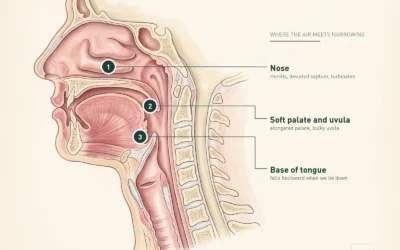
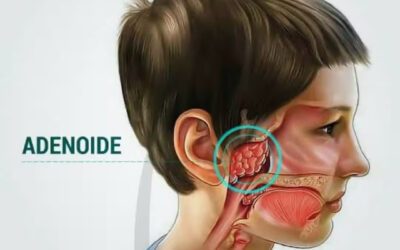
– Airway health: rhinitis, enlarged adenoids, snoring, and frequent ear infections warrant an otolaryngology evaluation.
– Exposures and history: headphones, neonatal hospitalization, marked jaundice, meningitis, and the use of medications with ototoxic potential indicate a need for closer follow-up.
How the diagnosis is made
– At the maternity ward: the newborn hearing screening with otoacoustic emissions is mandatory and can detect changes even before discharge, allowing for safe referral.
– The ideal timeline: screening by the first month, diagnostic confirmation by the third month, and the start of intervention by the sixth month take advantage of the best window of neuroplasticity.
– Objective and behavioral tests: otoacoustic emissions, auditory brainstem response, tympanometry, and play audiometry help define the type and degree of hearing loss accurately.
– Investigating the cause: genetic testing when indicated, imaging studies in selected cases, and testing for cytomegalovirus in the first weeks of life in suspected situations.
– Teamwork: integration between pediatric otolaryngology and speech-language therapy translates test results into a personalized treatment plan.
Treatment and rehabilitation
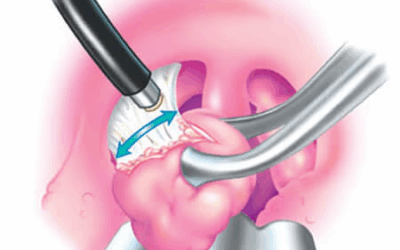
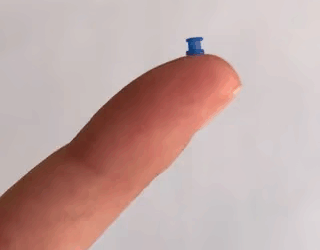
– Otitis media with effusion: it often improves with active observation, allergy management, and nasal hygiene; when it persists with an impact on hearing, ventilation tubes may restore conductive hearing, and adenoidectomy may be considered in specific situations. In parent-friendly language, understand why an ear tube is sometimes needed.
– Conductive hearing loss: earwax removal, treatment of ear infections, and bone-conduction devices can offer meaningful functional gains.
– Sensorineural hearing loss: modern hearing aids and remote-microphone systems improve speech understanding at home and at school; in profound bilateral loss, a cochlear implant, after careful evaluation, can open valuable opportunities for language.
– Congenital cytomegalovirus: in selected scenarios, antivirals started early may reduce the progression of hearing loss, always under specialized care.
– Speech therapy and school: family-centered therapy, auditory-verbal stimulation, and classroom adjustments help consolidate outcomes and independence.
– Ongoing follow-up: children with risk factors or fluctuating hearing loss need periodic reassessments, device adjustments, and consistent communication strategies.
Prevention and healthy habits
– Keeping vaccinations up to date reduces infections associated with hearing loss.
– Managing rhinitis and allergies lowers the number of episodes of otitis media with effusion.
– Responsible use of headphones, regular listening breaks, and comfortable volumes help protect the cochlea; at concerts and motorsports, ear protection is recommended.
– Environments with good acoustics at home and at school support speech understanding and learning.
When to seek an evaluation
Delayed speech, recurrent ear infections, difficulty in noisy environments, or a failed result at any stage of screening are reasons to consult an otolaryngologist (ENT) and a speech-language therapist. The earlier care begins, the greater the gains in language, academic performance, and social well-being.
Excellent care in São Paulo and Alphaville
Dr. José Eduardo Marcondes offers comprehensive, compassionate care for hearing loss in children. With more than two decades of experience and practice at leading institutions, each child receives a tailored plan, with clear communication, close follow-up, and treatment goals aligned with the family’s routine.
Next step
Whenever there is any concern, scheduling a specialized evaluation is the safest way to protect a child’s development. An attentive consultation, with age-appropriate tests, makes it possible to act with precision and confidence, so that the child can grow up hearing, speaking, and learning to the fullest.
Read also:
About the author
Dr. José Eduardo Marcondes
Otolaryngologist (ENT) · CRM-SP 107.711 · RQE 43.840
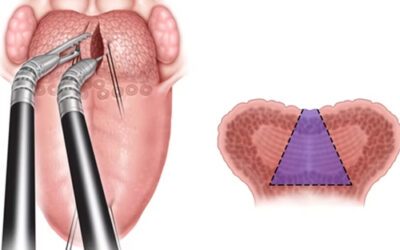
Trained and completed his residency at Escola Paulista de Medicina (UNIFESP), with more than two decades of experience. A pioneer in the use of robotic surgery (TORS) for sleep apnea. Member of the clinical staff at Hospital Albert Einstein, Vila Nova Star, and São Luiz. Member of ABORL-CCF.
Learn about his full career → · Schedule an appointment on WhatsApp