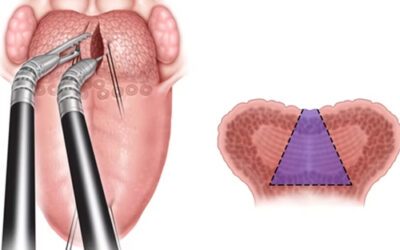
How to recognize sleep apnea in children: signs parents should not ignore
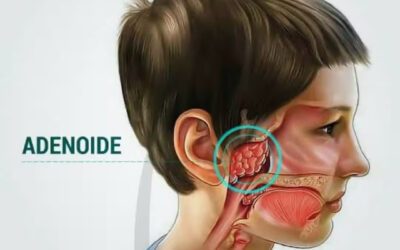
As parents, you spend hours watching your children sleep, taking in every detail of that relaxed little face and their breathing. But have you ever noticed any unusual behavior during sleep? Loud snoring, pauses in breathing, restless sleep or excessive daytime sleepiness may be signs of obstructive sleep apnea, a problem more common than many people realize and one that can seriously affect a child’s development. To put it in perspective, obstructive sleep apnea affects about 1% to 5% of children and is most common between ages 2 and 8, when the tonsils and adenoids tend to be proportionally larger.
What is sleep apnea in children?
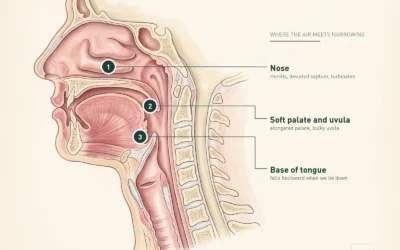
Obstructive sleep apnea is a breathing disorder that occurs during sleep, characterized by brief interruptions in breathing. During these pauses, which may last a few seconds, the child essentially stops breathing because of a blockage in the upper airway. These episodes happen repeatedly throughout the night, fragmenting sleep and preventing the child from getting the restorative rest that their development requires.
Recognizing changes in everyday behavior
Often, the first signs of apnea appear during the day, in the child’s everyday activities. As a physician, I always ask parents to observe how their children behave at school. Children with apnea frequently have trouble concentrating in class, getting easily distracted during explanations or while doing their homework.
Memory can also be affected. You may notice that your child forgets simple messages, has trouble remembering where they left their toys, or needs several repetitions to learn a song or a poem. Information processing tends to slow down, so the child may take longer to understand instructions or answer questions.
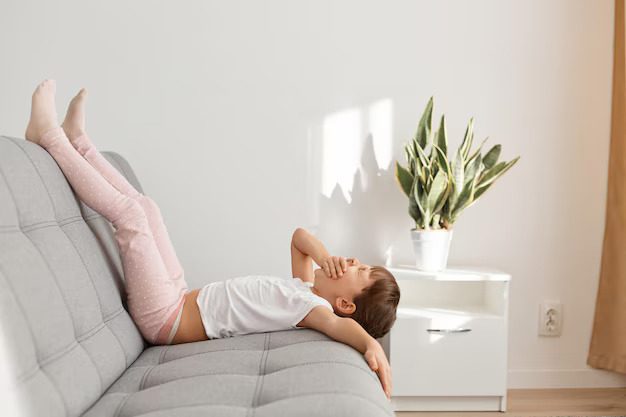
Child with daytime sleepiness lying down yawning
In terms of behavior, watch for excessive irritability, especially toward the end of the day. Children who were once calm may become aggressive, have tantrums for no apparent reason, or show signs of hyperactivity. Paradoxically, unlike adults who tend to feel sleepy, many children with apnea become agitated and restless as a way of compensating for their tiredness.
School performance is often one of the first things to catch the attention of parents and teachers. Falling grades, difficulty keeping up with the class, and problems with reading and writing can be direct consequences of fragmented sleep. Some children are even referred for an attention deficit evaluation when the real problem lies in inadequate sleep.
How fragmented sleep harms development
When sleep is constantly interrupted by apnea episodes, the child cannot reach the deeper stages of sleep that are essential for development. During these stages, the brain consolidates memories, processes information learned during the day and releases hormones that are fundamental for growth.
Chronic oxygen deprivation, caused by the breathing pauses, has a direct impact on how the brain functions. Brain cells, especially in the areas responsible for attention, memory and learning, are affected by this reduced oxygen supply. Over time, and if left untreated, this may lead to lasting changes in cognitive development.
In addition, the child’s body remains in a constant state of stress during the night, releasing hormones such as cortisol that can interfere with growth and emotional development. This is why many children with apnea show poor weight and height gain, along with mood changes.
Signs that should get your attention
As a physician with more than 20 years of experience, I always encourage parents to pay close attention to how their children behave both at night and during the day.
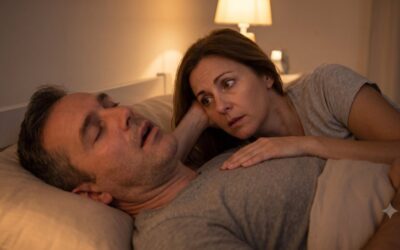
During sleep, watch for frequent, loud snoring, which can be intense enough to wake them at night. Notice whether there are pauses in breathing followed by gasping or choking sounds. The child may sleep in unusual positions in an attempt to ease the passage of air, have extremely restless sleep with constant changes of position, and sweat excessively during the night.
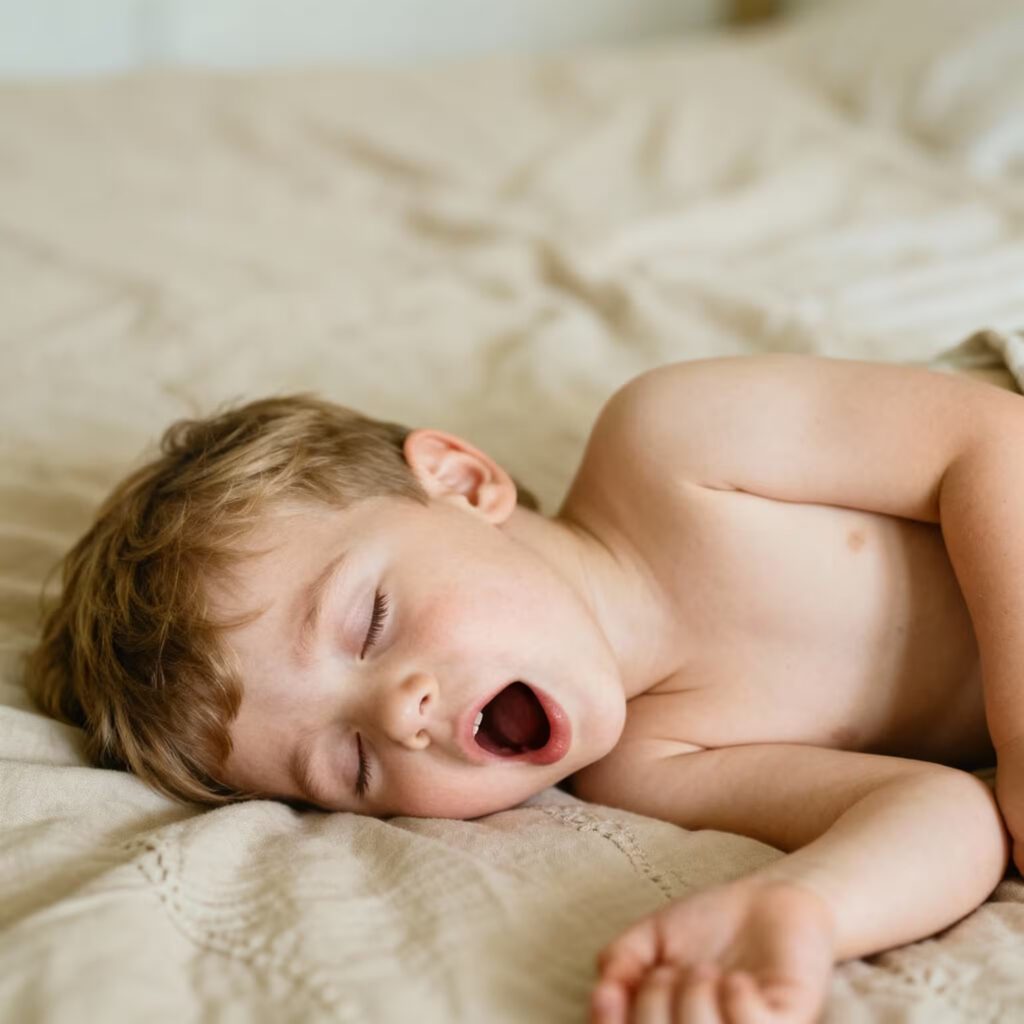
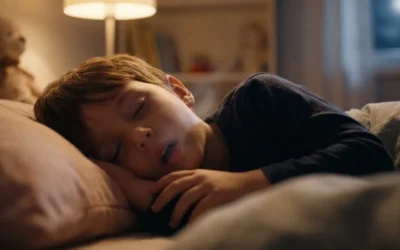
Child with sleep apnea sleeping with the mouth open
During the day, notice whether the child shows excessive sleepiness, constant tiredness even after a full night’s sleep, irritability, aggressiveness or hyperactivity, difficulty concentrating at school and a drop in school performance. Often, unlike adults who feel sleepy, children with apnea may become hyperactive and restless.
Specific signs related to breathing and eating
Mouth breathing is an important sign that should not be ignored. When the child keeps their mouth constantly open, even during the day, it may indicate chronic nasal obstruction. Persistent bad breath and dryness of the lips and around the mouth are also consequences of this oral breathing.
At mealtimes, watch for specific behaviors that point to breathing difficulty. Children with apnea frequently eat with their mouth open, making noises while chewing. They may chew very slowly, stopping repeatedly to breathe through the mouth, or swallow large pieces of food to avoid chewing for too long.
Some children prefer soft or liquid foods, avoiding textures that require prolonged chewing. During meals, they may seem breathless or tired, especially when eating foods that take more chewing effort. It is also common for them to complain of difficulty swallowing or a sensation of food being “stuck” in the throat.
Also pay attention to complaints of a blocked ear, ringing in the ears or frequent ear pain. Apnea can cause Eustachian tube dysfunction, leading to recurrent ear infections and an impact on hearing.
Why is it so important to stay alert?
Sleep apnea is not just a matter of breathing during the night. Its consequences can be serious for a child’s development, which is why I always stress the importance of early diagnosis.
Impact on growth and development: During deep sleep, the body releases hormones that are essential for growth. Children with apnea may show poor weight and height gain, along with changes in facial development and the dental arch.
Cognitive and learning difficulties: Fragmented sleep and reduced oxygen levels directly affect brain development. Studies show that children with apnea have difficulties with memory, attention, concentration and information processing. School performance may suffer, with lower grades and learning difficulties.
Behavioral and emotional changes: A lack of quality sleep can lead to significant behavioral problems. Children may show hyperactivity, aggressiveness, attention deficit, irritability and even symptoms resembling ADHD. Emotional problems such as anxiety and depression may also develop.
Cardiovascular complications: Although less common in children, apnea may lead to pulmonary hypertension and, in severe cases, heart problems. Chronic oxygen deprivation places an added burden on the cardiovascular system.
Important risk factors
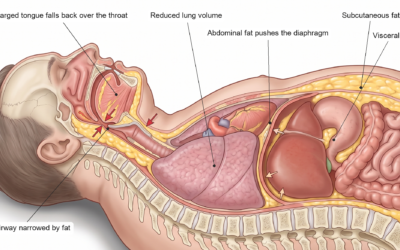
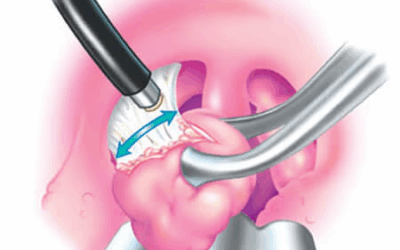
Some children are more prone to developing sleep apnea. Enlarged tonsils and adenoids are the most common cause in childhood. Childhood obesity also significantly increases the risk. Children with respiratory allergies, gastroesophageal reflux, craniofacial malformations or genetic syndromes also deserve special attention. When the cause is enlarged tonsils and adenoids, surgery (adenotonsillectomy) is the first-line treatment and helps most children. Even so, it is not a guaranteed cure: some children, especially those with obesity or who are older, may keep some degree of apnea after surgery. That is why re-evaluation after treatment is so important.
The importance of early diagnosis
It often takes a long time between the first symptoms and the correct diagnosis. During this time, the child is exposed to all the complications I mentioned. That is why I always tell parents: do not ignore the signs.
Diagnosis involves a detailed clinical evaluation, specific questionnaires to screen for sleep disorders and, when necessary, polysomnography (sleep study), which is the gold-standard test. The earlier we identify and treat apnea, the better the outcomes for the child’s development.
What to expect from treatment
A large international trial (the CHAT trial, published in the New England Journal of Medicine in 2013) helped clarify what to expect from surgery in children with mild to moderate apnea. Compared with watchful waiting, adenotonsillectomy improved behavior, quality of life, symptoms, and the sleep study itself.
How it is treated
Treatment is individualized. In milder cases, measures such as a nasal corticosteroid spray and, in selected situations, a leukotriene antagonist (montelukast) may help, although the evidence is short-term. When the tonsils and adenoids are significantly enlarged, surgery is the first choice. If apnea persists after surgery, or when surgery is not indicated, CPAP (a device that keeps the airway open with air pressure) is a good option. And in a child with obesity, weight control is part of treatment, because obesity raises the risk that apnea persists.
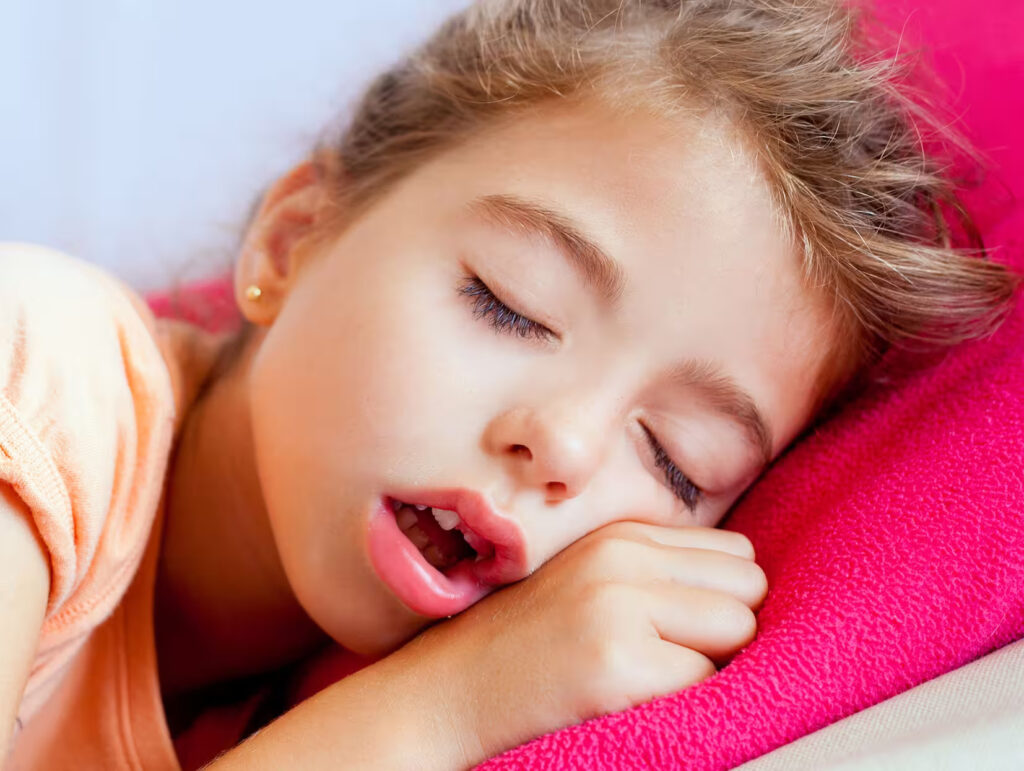
When to seek help?
If you notice any of these signs in your children, especially frequent snoring, breathing pauses observed during sleep or significant behavioral changes, do not hesitate to seek a specialist evaluation. As I always tell parents in my office: the quality of your child’s sleep is fundamental to their future.
Keep in mind that sleep apnea in children can be treated, and the earlier the intervention, the better the outcomes for the child’s physical, cognitive and emotional development. Schedule an appointment through our WhatsApp so that, together, we can find the best way to ensure peaceful nights and healthy development for your little one.
Frequently asked questions
Is every snore a sign of apnea?
No. Occasional snoring is common. The warning sign is frequent, loud snoring together with pauses in breathing, gasping, or very restless sleep. It is that combination that warrants evaluation.
Does my child really need a sleep study (polysomnography)?
Polysomnography is the standard test to confirm apnea and measure its severity. Not every child needs it right away: the assessment starts with the clinical history and an exam of the nose and throat, and the specialist orders it when the result will change management.
Does tonsil and adenoid surgery cure apnea?
In most children with enlarged tonsils and adenoids, surgery greatly improves or resolves the problem. But it is not a guarantee: children with obesity or who are older may keep some degree of apnea, so re-evaluation after surgery is important.
My child is obese. Does that change anything?
Yes. Obesity increases the risk of apnea and the chance it persists even after surgery. In these cases, weight management is part of treatment and CPAP is sometimes needed as well.
Can apnea be mistaken for ADHD?
It can. Apnea causes inattention, restlessness, and hyperactivity that resemble ADHD, and children are sometimes referred as if they had the disorder. Treating the apnea often improves these symptoms, but the two conditions can also coexist. That is why it is worth investigating sleep before making the diagnosis.
References
- Marcus CL, et al.; CHAT. A randomized trial of adenotonsillectomy for childhood sleep apnea. N Engl J Med. 2013;368(25):2366-2376.
- Marcus CL, et al.; AAP. Diagnosis and Management of Childhood Obstructive Sleep Apnea Syndrome. Pediatrics. 2012;130(3):576-584.
- Lumeng JC, Chervin RD. Epidemiology of pediatric obstructive sleep apnea. Proc Am Thorac Soc. 2008;5(2):242-252.
- Bhattacharjee R, et al. Adenotonsillectomy outcomes in treatment of obstructive sleep apnea in children: a multicenter retrospective study. Am J Respir Crit Care Med. 2010;182(5):676-683.
- Kheirandish-Gozal L, Gozal D. Intranasal budesonide treatment for children with mild obstructive sleep apnea syndrome. Pediatrics. 2008;122(1):e149-e155.
- Goldbart AD, Greenberg-Dotan S, Tal A. Montelukast for children with obstructive sleep apnea. Pediatrics. 2012;130(3):e575-e580.
Read also:
About the author
Dr. José Eduardo Marcondes
Otolaryngologist (ENT) · CRM-SP 107.711 · RQE 43.840
Trained and completed his residency at Escola Paulista de Medicina (UNIFESP), with more than two decades of experience. A pioneer in the use of robotic surgery (TORS) for sleep apnea. Member of the clinical staff at Hospital Albert Einstein, Vila Nova Star and São Luiz. Member of ABORL-CCF.
Learn about his full career → · Schedule an appointment on WhatsApp