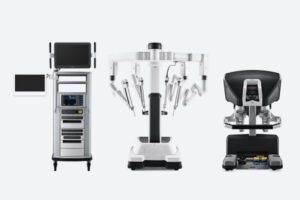
Category: Snoring and sleep apnea

Articles on snoring, obstructive sleep apnea, diagnosis and the treatment options — from CPAP to robotic surgery.

  • How do I stop snoring? What really works, according to the evidence

    How do I stop snoring? What really works, according to the evidence

    “Doctor, how do I stop snoring?” This is one of the most frequent questions in the office. Or rather, the most frequent question is: “How do I get my husband (or my wife) to stop snoring?” Almost always, the person who booked the appointment is not the one who snores, but the one who sleeps next to them.

    The answer begins with a question: why does this person snore? Snoring has several possible origins, and each origin has a treatment of its own. There is a path of investigation and a ladder of treatments, from the simplest to the most advanced. In this article, we explain how to follow that path with clear criteria.

    First of all: what is snoring?

    Snoring is the sound of the throat tissues vibrating when air passes through a tight space. It works like a flag in the wind: when air moves freely through a wide space, nothing vibrates; when it has to squeeze through a narrow passage, it speeds up and makes the soft tissues (the soft palate, the uvula, the walls of the throat) vibrate. That vibration is the snore.

    Snoring now and then, during a cold or after a dinner with wine, happens to almost everyone. The snoring that deserves attention is loud, frequent snoring that bothers the person sleeping next to you, or snoring that comes with pauses in breathing.

    Why do you snore? The answer is in the airflow.

    In the office, we usually sum the mechanism up as a simple combination: a narrow upper airway + tissues that relax too much. Each side of that combination has its own causes.
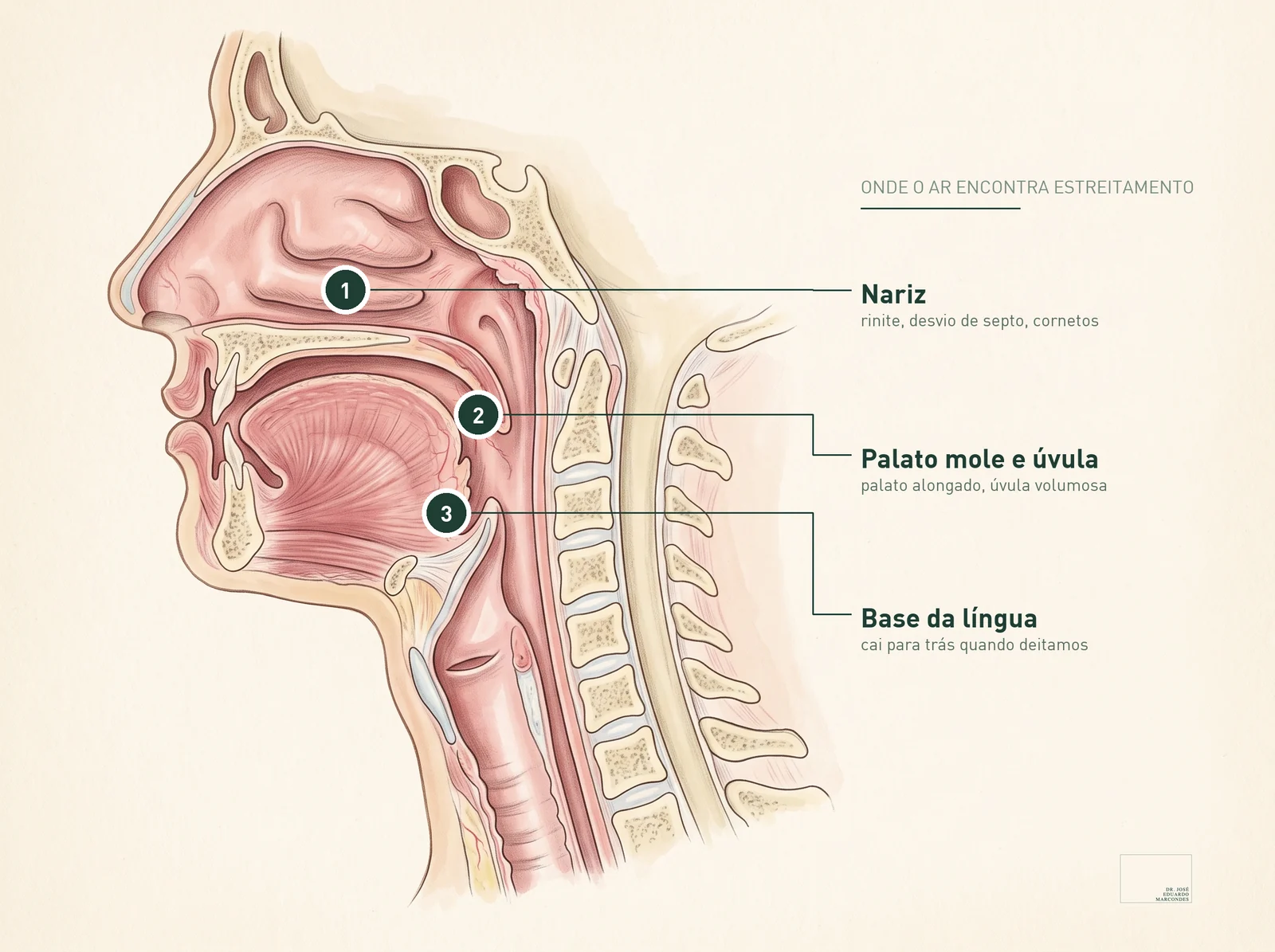
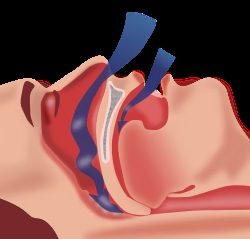
    Anatomical illustration, midsagittal section, showing the three points where air meets narrowing in the upper airway: the nose, the soft palate and uvula, and the base of tongue.

    What narrows the upper airway:

    • A blocked nose: rhinitis, a deviated nasal septum, enlarged turbinates (the spongy structures inside the nose), nasal polyps
    • An elongated soft palate or a bulky uvula
    • Enlarged tonsils
    • A bulky base of tongue, which falls backward when we lie down
    • Excess weight, which deposits tissue around the throat and the neck

    What makes the tissues relax too much:

    • Sleep itself, especially in the deeper stages
    • Alcohol at night, which acts as a muscle relaxant for the throat
    • Some sedative medications
    • The passing years, which naturally reduce muscle tone
    • Menopause, a period in which hormonal changes increase the chance of snoring and sleep apnea in women (Young et al., 2003)
    • Sleeping on your back, a position in which the tongue and the palate tend to fall backward

    Each person snores because of a different combination of these factors. That is why the right question is not “what is the treatment for snoring?”, but “why does this person snore?”. Investigating before treating is what separates a consistent solution from a shot in the dark.

    When snoring stops being just snoring: sleep apnea

    Not all snoring is a disease. There is what we call primary snoring, in which the person snores but breathes well all night long. And there is snoring that is a symptom of obstructive sleep apnea (OSA), a condition in which the throat closes completely, over and over again, causing pauses in breathing (apneas), drops in oxygen, and arousals that fragment sleep.

    Is this common? More than people imagine. The EPISONO study, which assessed the adult population of the city of São Paulo with sleep studies, found obstructive sleep apnea syndrome in 32.8% of the adults evaluated (Tufik et al., 2010). Most of them did not know they had it.

    The signs that raise the suspicion of sleep apnea, in addition to loud snoring:

    • Pauses in breathing witnessed by the person who sleeps next to you
    • Waking up choking or with a feeling of suffocation
    • Sleep that does not restore: waking up tired even after enough hours in bed
    • Sleepiness during the day, at work or at the wheel
    • Morning headache, dry mouth on waking
    • High blood pressure that is hard to control

    The STOP-Bang questionnaire: how these questions can help you

    One tool we use to organize that suspicion is the STOP-Bang questionnaire, published by Chung et al. in 2008. It brings together 8 simple questions and works as a screening instrument, not a diagnostic one. It gives clues about who should be investigated.

    The 8 questions, in plain language:

    1. Do you snore loudly (louder than talking, loud enough to be heard from another room)?
    2. Do you often feel tired or sleepy during the day?
    3. Has anyone ever observed you stop breathing while you sleep?
    4. Do you have high blood pressure, or are you being treated for hypertension?
    5. Is your body mass index (BMI) above 35?
    6. Are you over 50 years old?
    7. Is your neck circumference greater than 40 cm?
    8. Are you male?

    In the original study, three or more positive answers indicate an increased risk of OSA (Chung et al., 2008). The questionnaire points to who should be investigated; the diagnosis comes from the consultation and from a sleep study (polysomnography), which measures how many times breathing is interrupted per hour and how far blood oxygen falls. We explain this path in detail on the page about sleep apnea.

    Did you answer yes to three or more of them? Bring your answers to the appointment: they help direct the investigation from day one. Book a Consultation and let us find out where your snoring comes from.

    The treatment ladder: what works at each step

    Snoring has a treatment, and the right treatment depends on where the narrowing is. That is why the ladder below runs from the simplest to the most advanced, and why the examination comes before the choice.

    1. Behavioral measures

    Losing weight when there is excess weight, avoiding alcohol at night, taking care of the sleep routine, and training yourself to sleep on your side. This is the base of the ladder and it is part of every patient’s plan: on its own in mild snoring with no anatomical obstruction, and added to the other steps when there is a point of narrowing to treat or when the sleep apnea is moderate or severe.

    2. Treating the nose

    Poorly controlled rhinitis, a deviated nasal septum, and enlarged turbinates narrow the air intake right at the door. Treating the nose, with medication or surgery depending on the case, reduces the effort it takes to breathe with the mouth closed and improves tolerance to the other treatments. It is part of the plan for every person who snores and has nasal obstruction, and it can be combined with other surgeries within the same surgical plan.

    3. CPAP

    The continuous positive airway pressure device (CPAP) keeps the airway open with a gentle flow of air during sleep. It is the standard treatment for moderate and severe sleep apnea: the American Academy of Sleep Medicine guideline recommends positive airway pressure for the treatment of OSA in adults, with a strong recommendation when excessive sleepiness is present (Patil et al., 2019). It acts on the nights when it is used, and that is why adaptation weighs as much as the indication. A blocked nose is one of the most frequent reasons for giving up on it, and that is where the otolaryngologist (ENT) comes in even when the treatment is medical rather than surgical.

    4. Oral appliance

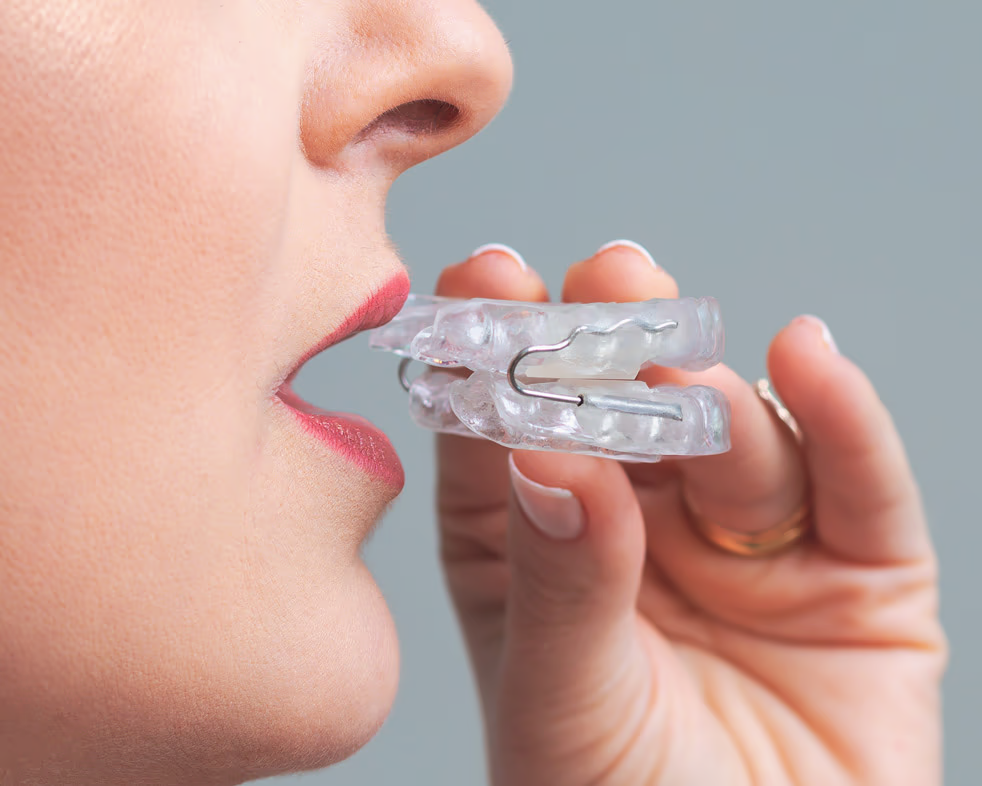
    The oral appliance (mandibular advancement device, or MAD) moves the lower jaw slightly forward during sleep, opening up space behind the tongue. It is a good choice in primary snoring and in mild to moderate sleep apnea, with follow-up by a dentist qualified in dental sleep medicine, and it depends on the teeth and the joint being in condition to support the device, which is assessed before it is indicated.

    5. Barbed reposition pharyngoplasty (BRP)

    A palate repositioning surgery: it repositions and tightens the tissues of the palate and the pharyngeal walls using threads with micro-anchors, without removing large volumes of tissue. It treats retropalatal collapse, that is, the collapse that happens behind the palate. The indication combines clinical history, ENT examination, and polysomnography; drug-induced sleep endoscopy (DISE) can be useful in some cases. Details of the procedure on the page about barbed reposition pharyngoplasty.

    6. Fotona laser (NightLase protocol)

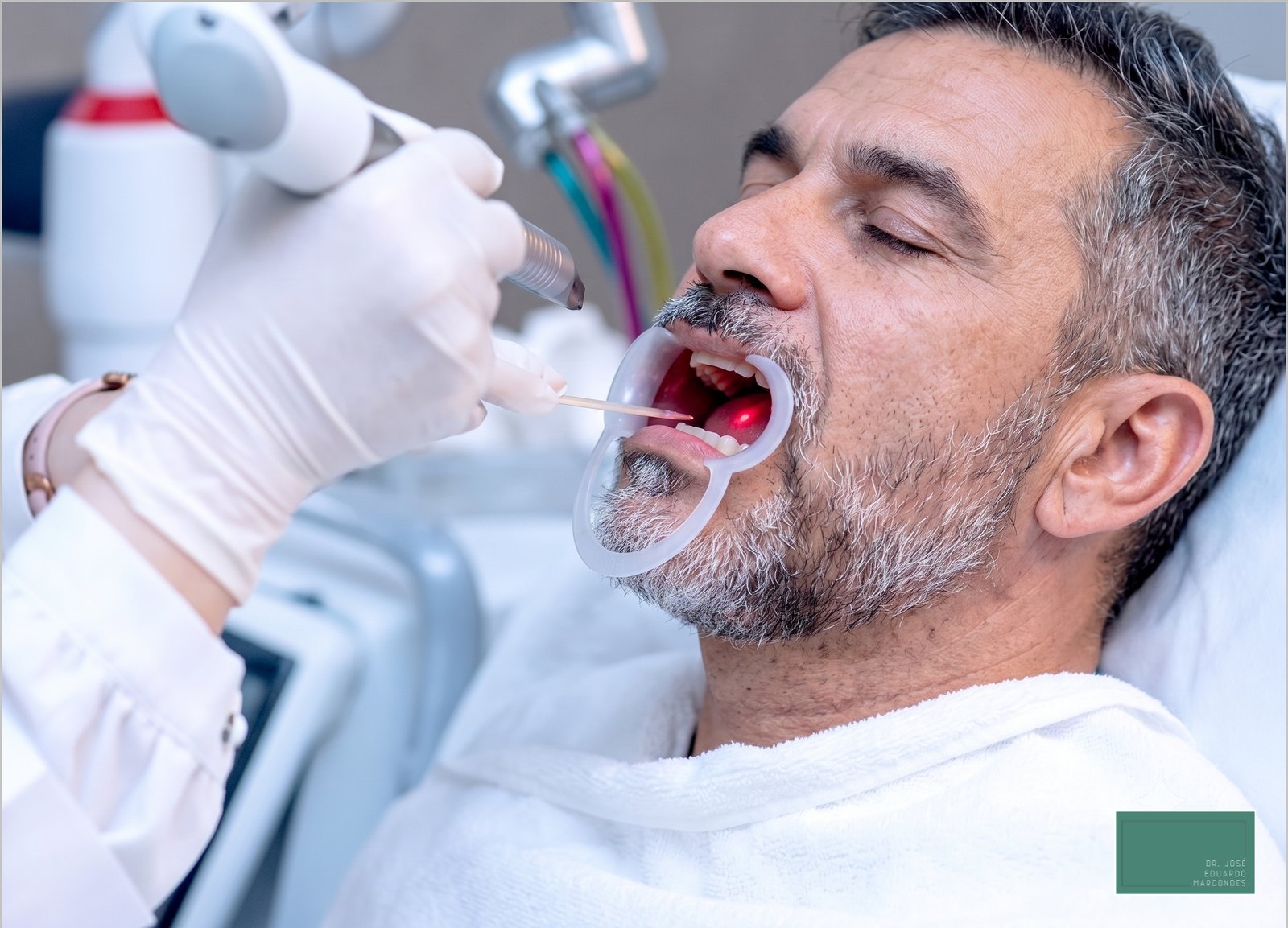
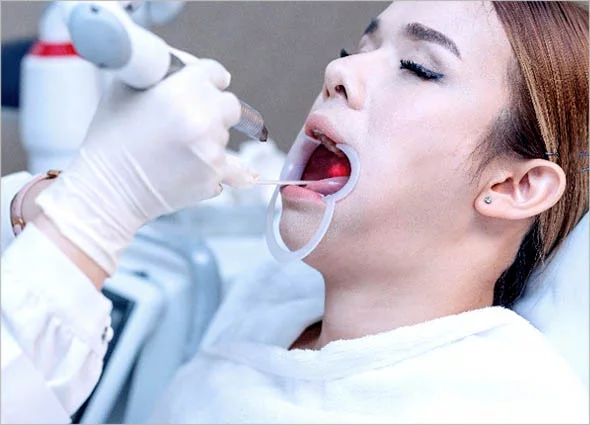
    A non-surgical protocol in which laser energy promotes contraction and firmness of the palatal tissues, without incisions and without general anesthesia. It is an alternative for people with primary snoring who want an option without surgery. In the protocol we use in our office, treatment is delivered as an initial course of sessions, generally 4, followed by 1 maintenance session every 6 to 12 months. We explain the indications on the page about the Fotona laser.

    7. Transoral robotic surgery (TORS)

    Surgery performed with the robot, which makes it possible to reach and treat with precision deep regions of the throat that conventional instruments reach only with difficulty.

    Robotics is the route of access, not a single technique. Through it, we treat three territories of the upper airway: the base of tongue, the lateral pharyngeal wall, and the palate. It is through the robotic approach, for example, that we perform expansion sphincter pharyngoplasty (ESP), the lateral wall technique we use most often. It is done in a hospital setting, with postoperative follow-up, and it can be combined with barbed reposition pharyngoplasty and with septal surgery within the same surgical plan. Learn more on the page about TORS.

    How we choose the right step

    No step of the ladder fits everyone, and that is what the consultation resolves. Three things define the choice, and all three come before any decision:

    Where the narrowing is. The nose, the palate, the lateral pharyngeal wall, or the base of tongue. Examining the nose and the throat identifies the point, and it is the point that separates the person who improves by treating the nose from the person who needs the throat treated. Treating the nose alone usually improves breathing and adherence to CPAP, and the snoring itself arises more often in the throat.

    The severity. Primary snoring and mild sleep apnea open room for the oral appliance and for the laser; in moderate and severe sleep apnea the standard treatment is CPAP, and the laser does not take that place. In the heavier cases, behavioral measures come added to another step, not on their own.

    Your own conditions and your own preferences. Surgery involves a postoperative recovery and patient selection; the oral appliance requires dental conditions; CPAP requires living with the device. We take that into account together with you, because a treatment that does not hold up in your routine does not treat.

    Be wary of anyone who promises a single solution for snoring before examining you. The ladder exists precisely because the right answer changes from person to person.

    The bridge between the nose and sleep

    Here is a point that often goes unnoticed: the nose and sleep are a single system. Nasal obstruction worsens snoring, aggravates sleep apnea, and gets in the way of adherence to CPAP, because breathing under pressure with a blocked nose is like drawing air through a crushed straw.

    In everyday practice, this means that treating rhinitis, correcting a deviated nasal septum, or reducing the turbinates acts on sleep along two routes: it reduces the nasal share of the snoring, and it allows CPAP or the oral appliance to work the way they should. We often see patients who “did not adapt to CPAP” and find that the problem was never the device. It was the nose.

    Frequently asked questions

    What causes snoring?

    The combination of a narrow upper airway (from a blocked nose, an elongated palate, large tonsils, a bulky base of tongue, or excess weight) with the natural relaxation of the muscles during sleep. Alcohol, sedatives, age, and sleeping on your back accentuate that relaxation.

    Is snoring normal?

    Snoring occasionally, during a cold or after drinking alcohol, is common. Loud, frequent snoring, especially with pauses in breathing or daytime sleepiness, should not be treated as normal: it deserves investigation.

    When is snoring a concern?

    When it comes with pauses in breathing witnessed by another person, nighttime choking, sleep that does not restore, daytime sleepiness, or high blood pressure. Three or more positive answers on the STOP-Bang questionnaire also indicate an increased risk of sleep apnea and justify an evaluation (Chung et al., 2008).

    Can snoring be cured?

    It depends on the cause. When there is a clear, treatable anatomical factor, snoring can disappear or be substantially reduced. In other cases, the goal is control, as happens with high blood pressure: the treatment is ongoing, not one-off. The serious answer begins with investigating the cause.

    Does snoring surgery work?

    It works when the indication is right. Current techniques (barbed reposition pharyngoplasty, TORS, nasal surgery) treat the exact site of collapse, identified through examination. It is the investigation that separates the surgery that solves the problem from the surgery that disappoints, and that is why it comes first.

    Does sleeping on your side solve snoring?

    It helps in some cases, because on your side the tongue and the palate fall backward less. For someone who snores in any position, or who has sleep apnea, position on its own is not enough and the cause needs to be investigated.

    References

    1. Chung F, Yegneswaran B, Liao P, et al. STOP Questionnaire: a tool to screen patients for obstructive sleep apnea. Anesthesiology. 2008;108(5):812-821.
    2. Tufik S, Santos-Silva R, Taddei JA, Bittencourt LRA. Obstructive sleep apnea syndrome in the Sao Paulo Epidemiologic Sleep Study (EPISONO). Sleep Medicine. 2010;11(5):441-446.
    3. Patil SP, Ayappa IA, Caples SM, et al. Treatment of adult obstructive sleep apnea with positive airway pressure: an American Academy of Sleep Medicine clinical practice guideline. Journal of Clinical Sleep Medicine. 2019;15(2):335-343.
    4. Young T, Finn L, Austin D, Peterson A. Menopausal status and sleep-disordered breathing in the Wisconsin Sleep Cohort Study. American Journal of Respiratory and Critical Care Medicine. 2003;167(9):1181-1185.

    If snoring is part of your nights, or of the nights of whoever sleeps next to you, the first step is to find out where it comes from. Book a Consultation at the Morumbi, Itaim Bibi, or Alphaville locations, and we will examine your nose and your throat to find the right step for your case.

    Dr. José Eduardo Marcondes, otolaryngologist (ENT physician). CRM-SP 107.711 (Brazilian medical license) | RQE 43.840 (specialist registration). This content does not replace a medical consultation.

    About the author

    Dr. José Eduardo Marcondes

    Physician, Otolaryngologist (ENT) · CRM-SP 107.711 · RQE 43.840

    Trained and completed his residency at Escola Paulista de Medicina (UNIFESP), with more than two decades of experience. Focused on the treatment of snoring and sleep apnea, nasal obstruction, chronic sinusitis, adenoids and tonsils, in adults and children. Member of ABORL-CCF and of the medical staff at Hospital Israelita Albert Einstein, Vila Nova Star and São Luiz.

    Learn about his full career → · Schedule an appointment on WhatsApp



  • Can sleep apnea be cured? Understanding severity, risks, and treatments

    Can sleep apnea be cured? Understanding severity, risks, and treatments

    “Doctor, can sleep apnea be cured?” This is one of the most frequent questions in the office, and the answer is: it depends on the cause and the severity. Sleep apnea always has effective treatment and, in specific situations, a real cure. In other cases, the goal is full control of the problem, which already transforms sleep, energy, and the health of those who live with it.

    In this article, we explain the types of apnea, what leads a person to develop the problem, how to know whether you have it, when the condition is considered severe, and, above all, in which situations we can speak of a cure and in which the path is control.

    Person sleeping peacefully after sleep apnea treatment

    What sleep apnea is

    During sleep, the muscles of the throat relax. In people with a narrower airway or more lax tissues, this relaxation can close off the passage of air for a few seconds, several times a night. Each pause forces the brain into a micro-arousal to resume breathing. The result is fragmented sleep, blood oxygen swinging up and down, and a body that never truly rests.

    This is obstructive sleep apnea, the most common form of the disease. It is far more frequent than people think: in the EPISONO study, carried out in the city of São Paulo, about one third of adults (32.8%) had sleep apnea to some degree. If you want to understand in detail what the pauses do to the body, it is worth reading the article on the physiology of sleep apnea.

    What are the three types of apnea?

    There are three types of sleep apnea, distinguished by the mechanism that interrupts breathing during the night:

    Type What happens How common
    Obstructive apnea The airway closes in the throat, but the body keeps trying to breathe. It is the focus of this article. By far the most common type.
    Central apnea The brain briefly stops sending the command to breathe; the throat is not the problem. It tends to be associated with heart and neurological conditions. Rarer.
    Mixed apnea It combines both mechanisms in the same event: it starts as central and ends as obstructive. Less frequent.

    Telling the types apart matters because the treatment changes. Polysomnography, the sleep study, is what makes that distinction.

    What leads a person to have sleep apnea?

    In obstructive apnea, the problem comes from a simple equation: a narrow airway plus tissues that relax too much during sleep. Several factors feed into that equation:

    • Excess weight. It is the most important risk factor and one of the most reversible. Fat in the neck, tongue, and abdomen narrows and overloads the airway. We explain this mechanism in detail in the article on sleep apnea and obesity.
    • Anatomy of the face and throat. A receding chin, large tonsils, a bulky tongue, and a low palate reduce the space through which air passes. That is why lean people can also have apnea.
    • Nasal obstruction. A deviated septum, enlarged turbinates, and rhinitis make breathing through the nose harder and push the person toward mouth breathing, which destabilizes the airway during sleep.
    • Age and sex. Apnea becomes more common with age, as muscle tone is naturally lost. Men are more affected, but the difference narrows after menopause, as we show in the article on sleep apnea in men and women.
    • Alcohol, smoking, and sedatives. They relax the throat muscles further or inflame the airway.
    • Hormonal factors. Hypothyroidism and other hormonal changes can also contribute.

    What makes apnea worse?

    Even in people already diagnosed, some habits worsen the breathing pauses: gaining weight, drinking alcohol at night, smoking, taking sleeping pills on your own, sleeping on your back, and leaving the nose obstructed without treatment. The good news is that all these points can be worked on, and each of them improves the outcome of any treatment.

    How do I know if I have sleep apnea?

    The most common signs appear at two moments. At night: loud, frequent snoring, breathing pauses noticed by a bed partner, choking or a smothering sensation, restless sleep, and repeated trips to the bathroom. During the day: waking up tired even after hours in bed, morning headache, sleepiness, irritability, and a decline in memory and concentration.

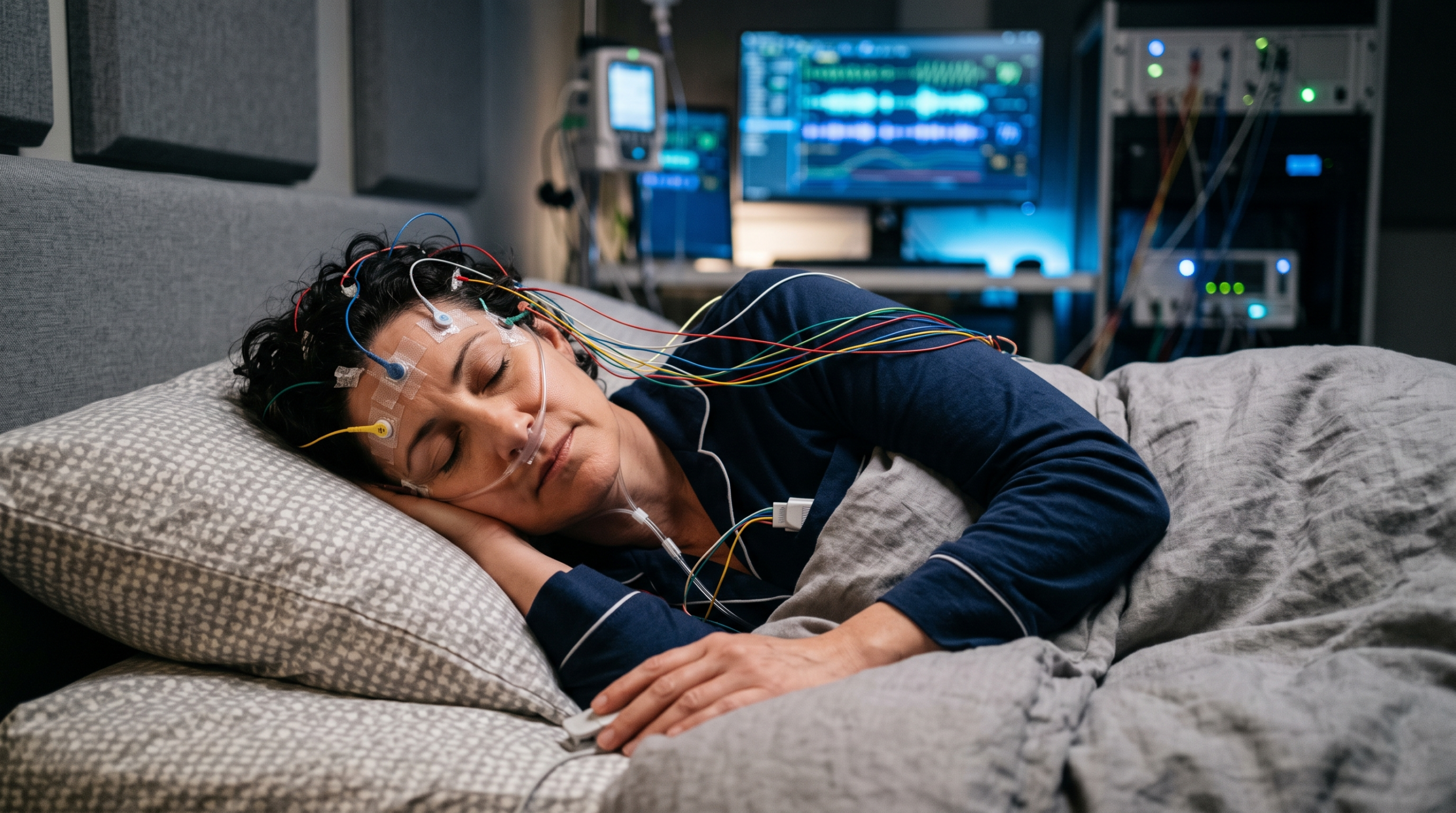
    When these signs are present, the way forward is an evaluation with an otolaryngologist (ENT), who examines the nose and throat (usually with flexible nasolaryngoscopy) to identify where the obstruction lies. The diagnosis is confirmed by polysomnography, the sleep study, which can be done in a lab or, in selected cases, at home.

    Polysomnography, the sleep study that confirms a diagnosis of apnea

    When is apnea severe?

    Severity is measured by the AHI, the apnea-hypopnea index, which counts the breathing pauses per hour of sleep: up to 5 is considered normal, 5 to 15 is mild apnea, 15 to 30 is moderate, and above 30 is severe.

    The number, however, is not everything. The drop in oxygen during events, the degree of daytime sleepiness, the person’s occupation (think of someone who drives or operates machinery), and the presence of conditions such as high blood pressure, diabetes, and arrhythmias also weigh on how and how urgently to treat.

    So, can sleep apnea be cured?

    Now for the full answer. Sleep apnea can be cured in specific situations, when there is a well-defined cause that can be corrected:

    • In children, the most common cause is enlargement of the tonsils and adenoid, and surgery resolves the large majority of cases.
    • In adults with mild apnea linked to excess weight, consistent weight loss can normalize the sleep study.
    • In selected cases, snoring and apnea surgery corrects the points of airway obstruction (nose, palate, pharyngeal walls, and base of tongue) and can bring the AHI down to normal levels. The result depends greatly on patient selection and the site of obstruction, which is why a detailed evaluation matters so much.

    In most moderate and severe cases, the term we use is not cure, but control. CPAP, for example, eliminates the breathing pauses while it is in use, with an excellent effect on symptoms and quality of life. It is similar to what happens with high blood pressure: treatment does not make the predisposition disappear, but it restores health and keeps complications away. And control done well, in practice, means sleeping and living like someone who does not have the disease.

    Be wary of any promise of a guaranteed cure for apnea. Serious medicine works with individual assessment, and the right treatment for one person may be wrong for another.

    What are the treatments for sleep apnea?

    The plan is always individual and, often, combines more than one front:

    • CPAP. A device that keeps the airway open with air pressure. It is the treatment of choice for severe apnea and very effective when well tolerated.
    • Oral appliance. It slightly advances the lower jaw and widens the space in the throat. Useful in mild to moderate cases and for those who do not adapt to CPAP.
    • Treating the nose. Correcting a deviated septum, enlarged turbinates, and rhinitis improves breathing, snoring, and adaptation to CPAP.
    • Speech therapy (myofunctional therapy). Exercises that strengthen the muscles of the tongue, palate, and pharynx.
    • Fotona laser. The NightLase protocol, a laser treatment with no cutting, tones the tissues of the throat in selected cases of snoring and mild to moderate apnea.
    • Surgery. From nasal procedures to pharyngoplasty and robotic base-of-tongue surgery (TORS), indicated according to the point of obstruction identified during the evaluation.
    • Weight management. A central piece in people with excess weight, with diet, physical activity, and, in selected cases, weight-loss injections, which reduced the severity of apnea in recent studies.

    Frequently asked questions

    Can someone with apnea have a heart attack?

    The risk is higher, yes. Untreated apnea overloads the heart night after night, favors high blood pressure and arrhythmias, and, in severe cases, long-term studies showed about three times more cardiovascular events in those who did not treat it. That is why apnea should be investigated and treated early, together with the other heart risk factors.

    Does apnea cause stroke?

    Sleep apnea is an independent risk factor for stroke. A classic study in the New England Journal of Medicine showed about twice the risk of stroke or death in people with obstructive apnea. The repeated drops in oxygen and the pressure spikes during the night explain much of that risk.

    What are the consequences of sleep apnea?

    Untreated, apnea is associated with high blood pressure, arrhythmias such as atrial fibrillation, heart attack, stroke, insulin resistance and diabetes, decline in memory and concentration, sleepiness with a risk of accidents, irritability, depression, and reduced libido. Most of these consequences improve or stop progressing once apnea is treated.

    What is a person with sleep apnea like?

    The typical picture is of someone who sleeps but does not rest: they wake up tired, have a morning headache, feel sleepy during the day, become irritable easily, and notice worse memory and concentration. At night, they snore loudly and have breathing pauses that tend to frighten whoever sleeps beside them. Many only realize how poorly they were living after they start treatment.

    What is the medication for sleep apnea?

    There is no drug that keeps the airway open during sleep. The recent development is weight-loss injections: in people with apnea linked to obesity, tirzepatide reduced the severity of apnea in a large study, through weight loss. They act on the cause in selected cases, with a medical prescription, and do not replace assessment of the airway or the other treatments.

    Can someone with sleep apnea take sleeping pills?

    With great caution, and never on your own. Several sleep aids and sedatives relax the throat muscles even more and can increase the number and duration of breathing pauses. If you snore or suspect apnea and sleep poorly, the way forward is to investigate and treat the apnea first. When a medication is necessary, it should be chosen by a physician who knows your sleep study.

    The first step is to investigate

    If you snore every night, wake up tired, or have caught a family member pausing their breathing, do not wait for the problem to charge a higher price. Sleep apnea has effective treatment for every degree, and a cure in specific situations. The sooner you find where the obstruction is, the greater the chances of a complete result.

    Dr. José Eduardo Marcondes is a PHYSICIAN and otolaryngologist (ENT) (CRM-SP 107.711 | RQE 43.840), working in nasal surgery and in the treatment of snoring and sleep apnea, seeing patients in Morumbi and Itaim (São Paulo) and in Alphaville (Barueri). If it makes sense for you, book a consultation so we can investigate your sleep and talk about the best path for your case.

    References

    1. Tufik S, Santos-Silva R, Taddei JA, Bittencourt LR. Obstructive sleep apnea syndrome in the São Paulo Epidemiologic Sleep Study. Sleep Medicine. 2010;11(5):441-446. doi:10.1016/j.sleep.2009.10.005.
    2. Marin JM, Carrizo SJ, Vicente E, Agusti AG. Long-term cardiovascular outcomes in men with obstructive sleep apnoea-hypopnoea with or without treatment with continuous positive airway pressure: an observational study. Lancet. 2005;365(9464):1046-1053. doi:10.1016/S0140-6736(05)71141-7.
    3. Yaggi HK, Concato J, Kernan WN, Lichtman JH, Brass LM, Mohsenin V. Obstructive sleep apnea as a risk factor for stroke and death. New England Journal of Medicine. 2005;353(19):2034-2041. doi:10.1056/NEJMoa043104.
    4. Malhotra A, Grunstein RR, Fietze I, et al. Tirzepatide for the treatment of obstructive sleep apnea and obesity (SURMOUNT-OSA). New England Journal of Medicine. 2024;391(13):1193-1205. doi:10.1056/NEJMoa2404881.
    5. McEvoy RD, Antic NA, Heeley E, et al. CPAP for prevention of cardiovascular events in obstructive sleep apnea (SAVE). New England Journal of Medicine. 2016;375(10):919-931. doi:10.1056/NEJMoa1606599.

    This content is informational, does not replace a medical consultation, and does not supersede the plan of care defined by your own physician.

    About the author

    Dr. José Eduardo Marcondes

    Physician, Otolaryngologist (ENT) · CRM-SP 107.711 · RQE 43.840

    Trained and completed his residency at Escola Paulista de Medicina (UNIFESP), with more than two decades of experience. Focused on the treatment of snoring and sleep apnea, nasal obstruction, chronic sinusitis, adenoids and tonsils, in adults and children. Member of ABORL-CCF and of the medical staff at Hospital Israelita Albert Einstein, Vila Nova Star and São Luiz.

    Learn about his full career → · Schedule an appointment on WhatsApp


  • Sleep apnea and obesity: the vicious cycle between weight and sleep (and the role of weight-loss injections)

    Sleep apnea and obesity: the vicious cycle between weight and sleep (and the role of weight-loss injections)

    Sleep apnea and excess weight often go hand in hand, and this is no coincidence. The two conditions feed each other: extra weight favors apnea, and apnea, in turn, makes losing weight harder. It is a true vicious cycle, and understanding it helps explain why treating only one side often fails to solve the problem.

    In this article on sleep apnea and obesity, the goal is educational: to show how obesity worsens apnea, how apnea worsens obesity, and why breaking this cycle requires looking at both problems at the same time. At the end, we discuss the available treatments and why the so-called weight-loss injections (GLP-1 medications) have become an important tool against both diseases.

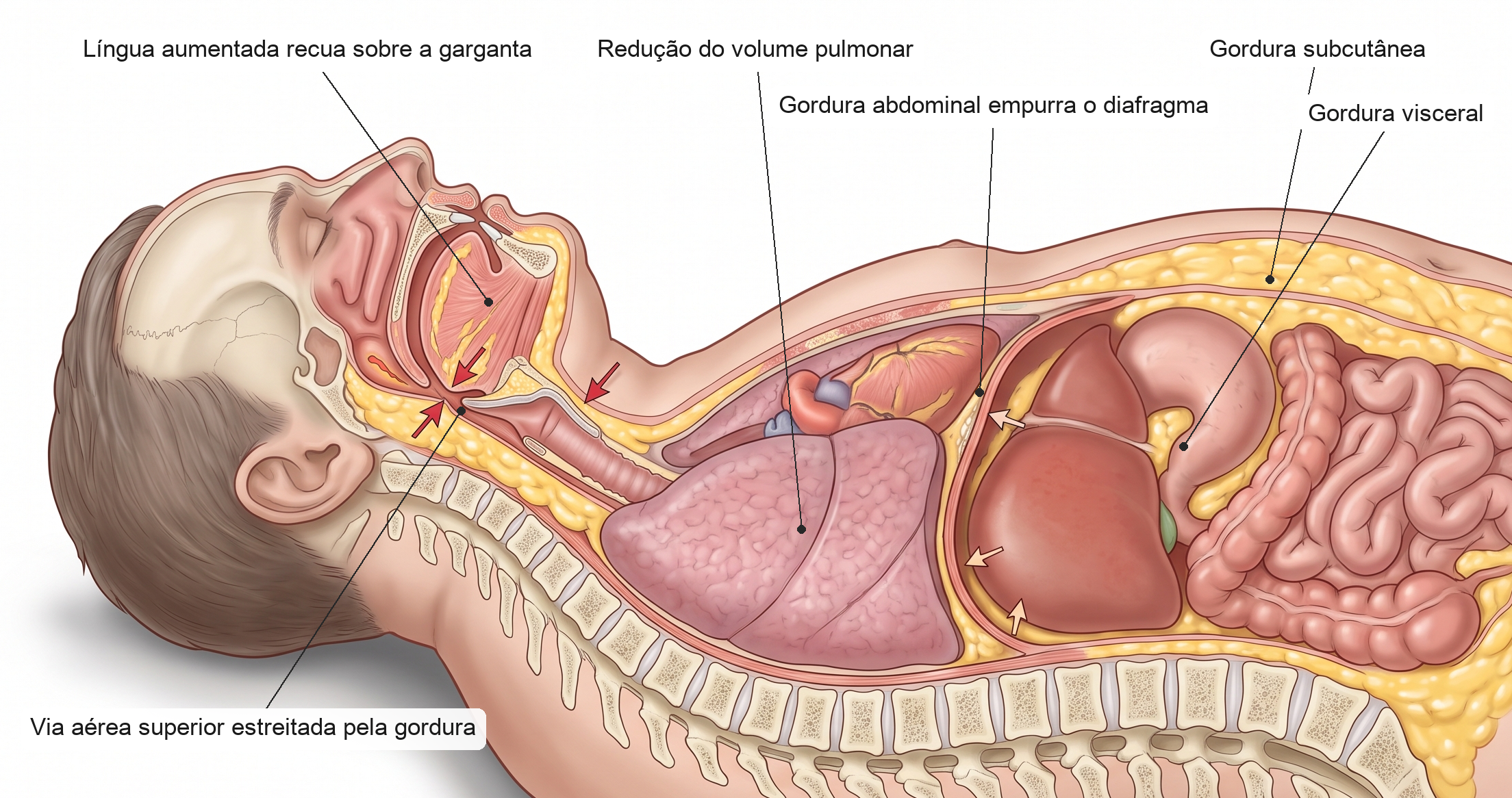
    Cutaway illustration of an obese man lying down showing how fat in the neck, tongue and abdomen narrows the airway and compresses the lungs in sleep apnea

    What obstructive sleep apnea is

    During sleep, the muscles of the throat relax. In people with a narrower airway or more lax tissues, this relaxation can temporarily close off the passage of air, interrupting breathing for a few seconds, several times a night. Each pause prompts the brain to react with a micro-arousal in order to resume breathing. Sleep becomes fragmented, the body does not truly rest, and blood oxygen levels swing throughout the night.

    This is obstructive sleep apnea. Among the factors that favor its onset, excess weight is one of the most important, and also one of the most reversible.

    Focus 1: how obesity worsens apnea

    Excess weight works against nighttime breathing through several pathways at once.

    • Fat around the throat. Fat that builds up in the neck and along the walls of the pharynx narrows the space through which air passes. A tighter airway collapses more easily when the muscles relax during sleep.
    • Fat at the base of the tongue. MRI studies show that people with obesity tend to accumulate fat in the tongue itself, which becomes larger and heavier and falls back over the throat when lying down.
    • Abdominal fat. Belly fat pushes the diaphragm upward and reduces the volume of air the lungs can hold, especially when lying down. Less inflated lungs “pull” less on the airway from within, leaving it more prone to closing.
    • Inflammation and fluid retention. Excess fat tissue keeps the body in a state of low-grade inflammation and promotes fluid buildup, which at night can shift to the neck and worsen the obstruction.

    It is no coincidence that the relationship between weight and apnea is well documented. A landmark population study showed that a change of about 10% in body weight is associated with substantial changes in the severity of apnea: gaining weight worsens it, and losing weight improves the number of breathing pauses per hour of sleep.

    Focus 2: how apnea worsens obesity

    What many people do not realize is that this is a two-way street. Untreated apnea also pushes the body toward weight gain and makes losing weight harder.

    • Fragmented sleep disrupts hunger. Sleep deprivation and fragmentation alter two hormones that control appetite: they raise ghrelin (which drives hunger) and lower leptin (which signals fullness). The result is more hunger, more craving for calorie-dense foods, and more difficulty stopping eating.
    • Insulin resistance. Poor nights of sleep and repeated drops in oxygen worsen the way the body handles sugar, promoting insulin resistance, fat accumulation, and the risk of type 2 diabetes.
    • Fatigue that reduces energy expenditure. People who sleep poorly wake up exhausted, with less drive to exercise and move throughout the day. Less activity means fewer calories burned.
    • Hormonal stress. Poor sleep and oxygen swings activate the stress system and raise cortisol, a hormone that also promotes fat accumulation, mainly in the abdominal area.

    In other words, apnea creates exactly the hormonal and behavioral environment that makes gaining weight easier.

    The vicious cycle

    Put the two sides together and the problem becomes clear. Excess weight narrows and overloads the airway, which causes or worsens apnea. Apnea fragments sleep, disrupts hunger hormones, increases insulin resistance, and drains the energy needed to exercise, which further promotes weight gain. More weight, more apnea. More apnea, more weight.

    This is why many people feel “stuck”: they diet, but poor sleep sabotages the effort; or they treat only the sleep, but their weight keeps the airway compromised. Breaking this cycle usually requires acting on both fronts at once, and this is where modern treatment has made considerable progress.

    How apnea is treated today

    There is no single treatment that works for everyone. The approach depends on the severity of the apnea, the anatomy of the airway, and each person’s associated factors. The main options are:

    • CPAP. The device that keeps the airway open with a flow of air throughout the night. It remains the treatment of choice for severe apnea.
    • Treating the nose. Correcting obstructions such as a deviated nasal septum, enlarged turbinates, or rhinitis improves breathing and adaptation to other treatments.
    • Oral appliance. A device that slightly advances the lower jaw and widens the space in the throat, useful in mild to moderate cases.
    • Fotona laser. The NightLase protocol, a laser treatment with no cutting, can tone the tissues of the throat in selected cases of snoring and mild to moderate apnea.
    • Surgery. Indicated in specific situations, according to the point of obstruction identified during the evaluation.
    • Weight management. As we have seen, it is a central piece. Losing weight reduces the severity of apnea and, in some cases, can even resolve mild forms.

    Weight, in fact, has always been on this list, but for a long time it was also the hardest part to treat. It was precisely here that an important development emerged.

    Weight-loss injections: one weapon against both conditions

    These weight-loss injections are medications from the class of GLP-1 receptor agonists (such as semaglutide) and, more recently, dual GLP-1/GIP receptor agonists (such as tirzepatide). They act on the brain and the digestive system by increasing satiety and reducing hunger, which leads to significant and sustained weight loss.

    The interesting point for people with apnea is that these medications target the very root of the vicious cycle: excess weight. And there is direct evidence of this. In 2024, a large clinical trial called SURMOUNT-OSA, published in the New England Journal of Medicine, evaluated tirzepatide in adults with obesity and moderate-to-severe obstructive sleep apnea. The result was a significant reduction in the number of breathing pauses per hour of sleep (the apnea-hypopnea index, or AHI, which measures the severity of apnea), along with weight loss, both in those using CPAP and in those who were not.

    In practice, this means that treating weight with these medications may improve the apnea itself, while also reducing risks linked to obesity, such as diabetes and cardiovascular disease. A single line of treatment acting on both conditions at once.

    Two important caveats, however. First, these injections are not a miracle and do not, on their own, replace the other treatments: in many cases they are added to CPAP and the other measures rather than eliminating them. Second, they are medications with their own indications, contraindications, and side effects, whose prescription and follow-up are the responsibility of the physician in charge of weight treatment, usually the endocrinologist or an obesity medicine physician.

    The best path is team-based care. The otolaryngologist (ENT) evaluates and treats the airway and the apnea; the obesity specialist manages weight loss, with or without medication; and the two work together to break the vicious cycle. Each piece in its place, with a shared goal: to give the patient real sleep and more balanced health.

    Frequently asked questions

    Does losing weight cure sleep apnea?

    It depends on the case. Weight loss reduces the severity of apnea in almost everyone and, in mild cases linked to excess weight, it may even resolve it. In moderate-to-severe apnea, it usually helps considerably, but often needs to be combined with other treatments, such as CPAP.

    Do only people with obesity have apnea?

    No. Excess weight is one of the main risk factors, but lean people can also have apnea, due to features of the anatomy of the face and throat, nasal obstruction, or hormonal factors. That is why diagnosis depends on assessment, and not on weight alone.

    Does sleep apnea cause weight gain?

    It can contribute, yes. By fragmenting sleep, apnea disrupts appetite hormones (increasing hunger and reducing satiety), worsens insulin resistance, and causes fatigue that lowers the drive to exercise. Together, these factors promote weight gain and help explain why treating apnea often makes weight management easier.

    Why do I sleep poorly and still gain weight?

    The fragmented sleep of apnea disrupts appetite hormones: it increases hunger, reduces satiety, and worsens how the body handles sugar. Combined with the fatigue that lowers the drive to exercise, this promotes weight gain even when you are making an effort to lose weight.

    Do weight-loss injections treat apnea?

    Indirectly, yes. By promoting weight loss, medications such as tirzepatide reduced the severity of apnea in recent studies. They act on the cause (excess weight), but they do not replace assessment of the airway nor, in many cases, CPAP. The indication is always individual and made by a physician.

    Who prescribes weight-loss injections?

    Prescription and follow-up are the responsibility of the physician in charge of weight treatment, usually the endocrinologist or an obesity medicine physician. The otolaryngologist (ENT) takes care of the airway and the apnea. The ideal is teamwork, with the specialists complementing one another.

    How do I know if I have apnea?

    Warning signs include loud snoring, breathing pauses noticed by a bed partner, unrefreshing sleep, fatigue, and daytime sleepiness. Diagnosis begins with a clinical and airway assessment and is usually confirmed by polysomnography, the sleep study.

    It’s worth talking about your case

    If you live with snoring, unrefreshing sleep, daytime fatigue, or difficulty losing weight, there may be sleep apnea behind it, feeding this cycle. The good news is that the cycle can be broken, and the sooner the origin of the problem is understood, the better the results.

    Dr. José Eduardo Marcondes is a physician and otolaryngologist (ENT) (CRM-SP 107.711 | RQE 43.840), focusing on nasal surgery and the treatment of snoring and sleep apnea, seeing patients in Morumbi and Itaim (São Paulo) and in Alphaville (Barueri). If it makes sense for you, book a consultation so we can talk about your case, ideally as part of integrated care alongside weight management.

    References

    1. Peppard PE, Young T, Palta M, Dempsey J, Skatrud J. Longitudinal study of moderate weight change and sleep-disordered breathing. JAMA. 2000;284(23):3015-3021. doi:10.1001/jama.284.23.3015.
    2. Malhotra A, Grunstein RR, Fietze I, et al. Tirzepatide for the treatment of obstructive sleep apnea and obesity (SURMOUNT-OSA). New England Journal of Medicine. 2024;391(13):1193-1205. doi:10.1056/NEJMoa2404881.
    3. Spiegel K, Tasali E, Penev P, Van Cauter E. Sleep curtailment in healthy young men is associated with decreased leptin levels, elevated ghrelin levels, and increased hunger and appetite. Annals of Internal Medicine. 2004;141(11):846-850. doi:10.7326/0003-4819-141-11-200412070-00008.
    4. Schwartz AR, Patil SP, Laffan AM, Polotsky V, Schneider H, Smith PL. Obesity and obstructive sleep apnea: pathogenic mechanisms and therapeutic approaches. Proceedings of the American Thoracic Society. 2008;5(2):185-192. doi:10.1513/pats.200708-137MG.

    This content is informational, does not replace a medical consultation, and does not supersede the plan of care defined by your own physician.

    About the author

    Dr. José Eduardo Marcondes

    Physician, Otolaryngologist (ENT) · CRM-SP 107.711 · RQE 43.840

    Trained and completed his residency at Escola Paulista de Medicina (UNIFESP), with more than two decades of experience. Focused on the treatment of snoring and sleep apnea, nasal obstruction, chronic sinusitis, adenoids and tonsils, in adults and children. Member of ABORL-CCF and of the medical staff at Hospital Israelita Albert Einstein, Vila Nova Star and São Luiz.

    Learn about his full career → · Schedule an appointment on WhatsApp


  • Laser in ENT: how the holmium, blue laser, and Fotona work

    Laser in ENT: how the holmium, blue laser, and Fotona work

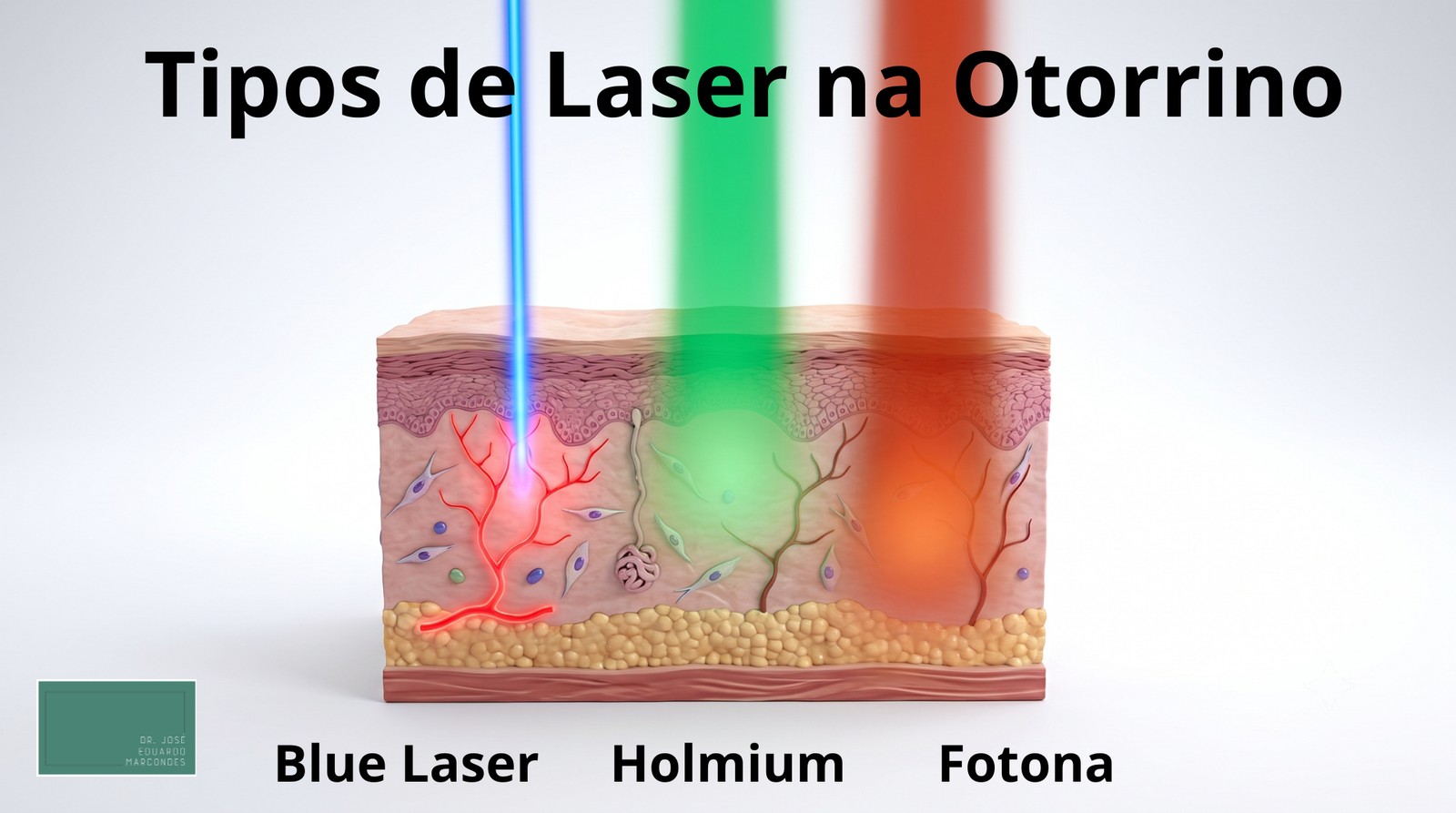
    In recent years, the laser has gone from a distant promise to a part of the daily routine of otolaryngology (ENT). But there is a common misconception: people talk about “the laser” as if it were a single thing, when in fact there are several types, each behaving differently within the tissue. A laser used to reduce turbinates is not the same as the one used to treat snoring, and neither is the same as the one that cuts and coagulates soft tissue.

    In this article, the goal is to explain, in accessible terms, how a laser acts on the body and to present three examples used in ENT: the holmium laser in turbinoplasty, the blue laser in diseases of the larynx and vocal folds, and the Fotona laser in the treatment of snoring and obstructive sleep apnea. The idea is not to say which one is “best,” but to show that each has its own target and purpose.

    How a laser acts on tissue: the idea of a target

    A laser is, essentially, light of a single wavelength, a single, highly concentrated “color,” even when that light is invisible to our eyes. What makes a laser useful in medicine is the following principle: each wavelength is preferentially absorbed by a different component of the tissue. That light-absorbing component is called a chromophore, and it works as the laser’s “target.”

    In practice, two targets matter a great deal in ENT:

    • Water, present in almost all soft tissue, absorbs infrared light very well. It is the target of the holmium and erbium lasers.
    • Hemoglobin (in blood) and melanin absorb light in the blue and green range. This is what allows the blue laser to act on blood vessels, a property called photoangiolytic.

    When the light is absorbed, it turns into localized heat. And depending on the power, the pulse duration, and the mode of application, this heat can produce quite distinct effects:

    • Ablation: vaporizing or cutting the tissue.
    • Coagulation: sealing small vessels and reducing bleeding.
    • Non-ablative thermal effect: simply heating in a controlled way, without cutting or removing tissue, which stimulates collagen.

    Add to this the depth that each wavelength reaches: some act more on the surface, others penetrate a little more, and it becomes easier to understand why each laser is chosen for a specific task. This reasoning guides the three examples that follow.

    Holmium laser (Ho:YAG) in turbinoplasty

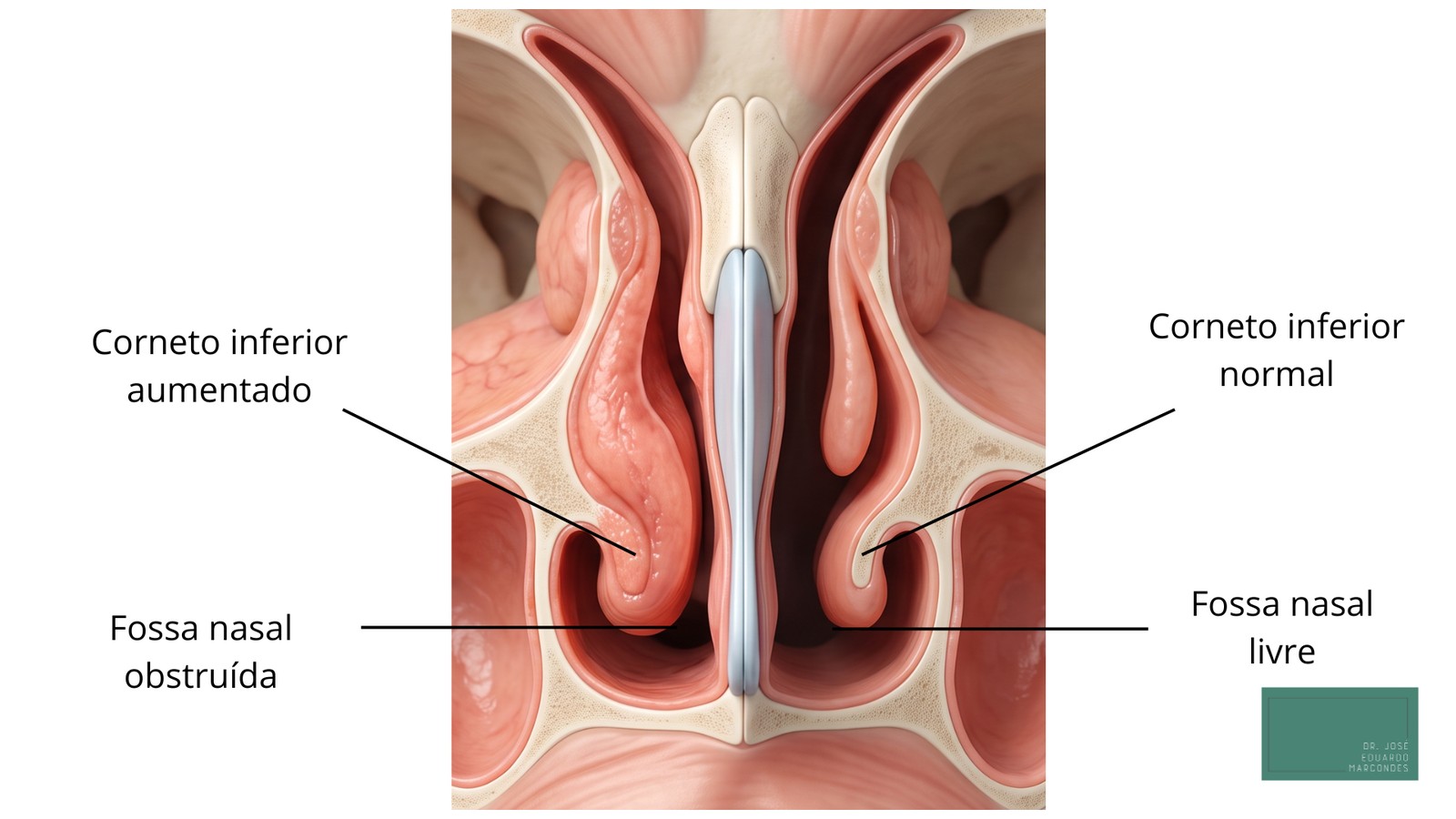
    Cross-section of the nose showing the turbinates, target of laser turbinoplasty

    The nasal turbinates are structures inside the nose that warm, humidify, and filter the air we breathe. The problem arises when they swell chronically, something common in rhinitis and allergy, and begin to obstruct the airflow. The result is that feeling of a stuffy nose that does not improve, disrupts sleep, and does not respond to medication alone.

    Turbinoplasty is the procedure that reduces the volume of the turbinate to unblock the nose, while taking care to preserve its function. This is where the holmium laser comes in (technical abbreviation Ho:YAG, with a wavelength of around 2,100 nm).

    How it works. The holmium is a pulsed laser, absorbed by the water in the tissue, with relatively shallow penetration and good coagulating ability. Applied to the enlarged turbinate, it reduces the tissue responsible for the swelling and, at the same time, coagulates the small vessels, which decreases bleeding during the procedure. Because it acts in a localized way, it seeks to preserve the lining mucosa and the nose’s humidifying function.

    An interesting detail: since the holmium’s light is infrared and invisible, the device also projects a green aiming beam so the surgeon can see exactly where it will act. That is why, in surgical images, this laser appears green.

    Advantages in this context. Two features stand out. The first is good hemostasis: by coagulating while it reduces the tissue, the procedure tends to involve little bleeding. The second is the durability of the results. In a long-term comparative study, subjective improvement in nasal breathing was reported by about 67.5% of patients treated with holmium and 74.4% of those treated with the diode laser, with objective improvement in airflow at both 6 months and 3 years. [1]

    A striking point is that reducing the turbinate does not improve only the stuffy nose. By decreasing the volume of the mucosa that reacts to allergens and of the glands that produce secretion, the procedure tends to also reduce sneezing, runny nose, and itching, that is, the set of symptoms of allergic rhinitis flare-ups. A Japanese group followed patients for up to five years after laser turbinate surgery and observed sustained improvement in sneezing, runny nose, and obstruction, with a large proportion of them remaining off medication. [2] And a 2023 systematic review with meta-analysis, gathering 18 studies and more than 1,400 patients, confirmed that turbinate reduction significantly improves obstruction, runny nose, sneezing, and nasal itching, with the benefit maintained for more than a year. [3]

    Despite this reduction of the turbinate and the improvement in obstruction and allergic symptoms, the allergy does not cease to exist. If the rhinitis is not controlled, the turbinate may swell again over time. For this reason, turbinoplasty is usually part of a plan, and long-term follow-up is important.

    Blue laser (445 nm) in diseases of the larynx and vocal folds

    Endoscopic view of the larynx and vocal folds, target of the blue laser

    The larynx houses the vocal folds, delicate structures in constant motion that are responsible for producing the voice. Any lesion there, however small, can alter the voice and requires precise treatment, able to resolve the problem without harming the thin, layered tissue of the vocal fold. It is in this demanding setting that the blue laser (blue light, at 445 nm) has found a prominent role.

    Why the target matters here. The blue laser’s main target is hemoglobin, so it acts preferentially on blood vessels. It happens that many vocal fold lesions are either vascular or fed by abnormal vessels. As it is absorbed by hemoglobin, the laser selectively coagulates these microvessels, treating the lesion with little bleeding and seeking to spare the vocal ligament and the deeper layers, which helps preserve the voice. This ability to act on vessels is what is called the photoangiolytic effect.

    What can be treated. In the larynx, the blue laser has been used for a variety of lesions, among them [4][5]:

    • vascular lesions of the vocal folds, such as varices, ectasias, and hemorrhagic polyps;
    • Reinke’s edema;
    • laryngeal papillomatosis (HPV-related lesions, which tend to recur);
    • leukoplakia and early dysplastic lesions;
    • granulomas.

    Advantages in this context. Beyond coagulating, the blue laser also cuts, something the classic photoangiolytic lasers, such as the KTP, do not do. In laryngeal surgery, this combination has been described as bringing together, in a single device, the ability to cut and to treat the vessels. [4] Because it is delivered through a very thin fiber, it allows a precise and minimally invasive approach to vocal fold lesions, and the selective coagulation of the vessels improves visibility during the procedure. In practice, the blue laser has already been applied to different vocal lesions, such as polyps, Reinke’s edema, papilloma, and leukoplakia. [5] Because it is repeatable, it is also a useful option when the lesion tends to recur, as happens in papillomatosis.

    The same caveat as in the other examples applies: the choice of laser and approach depends on the type of lesion, and the correct diagnosis always comes before the technology.

    Fotona laser (Er:YAG) in snoring and sleep apnea

    Laser applied to the throat in an ENT office

    The third example again changes the objective. In the treatment of snoring and obstructive sleep apnea, the problem often lies in the laxity of the throat tissues, the soft palate, the uvula, and the walls of the pharynx, which vibrate (snoring) and, in some people, collapse and obstruct the airflow (apnea). The goal, in this case, is not to cut or remove tissue, but to tone it.

    How it works. The Fotona laser, in the NightLase protocol, uses an erbium laser (Er:YAG, at 2,940 nm), in a mode called SMOOTH, with a non-ablative application. It heats the throat tissues in a controlled way, without cutting and without anesthesia. This heat causes the existing collagen fibers to contract and stimulates the production of new collagen over the following weeks. The tissue tends to become gradually firmer, with less tendency to vibrate and collapse during sleep.

    Advantages and limits. It is an office-based procedure, painless, without cuts, and with no recovery time. A 2025 systematic review with meta-analysis concluded that the erbium laser is a safe and effective option in the short and medium term for selected patients with snoring or mild to moderate apnea, with benefits that usually last 1 to 2 years. [6] A randomized controlled trial, with a placebo group, also showed a significant reduction in snoring with the NightLase protocol, well tolerated. [7] A 4-year follow-up reinforced this profile over time. [8]

    The Fotona laser works best in primary snoring and in mild to moderate apnea, and it does not replace CPAP in moderate to severe cases. The improvement, moreover, is usually clearer in the symptoms reported by the patient and normally requires booster sessions over time.

    The three lasers side by side

    The table below summarizes why each laser goes to a different task. Note that the logic is always the same: the wavelength defines the target, and the target defines the application.

    Laser Wavelength Main target Predominant action Highlighted application
    Blue laser 445 nm hemoglobin and melanin cuts and coagulates (photoangiolytic) diseases of the larynx and vocal folds
    Holmium (Ho:YAG) 2,100 nm water coagulates and reduces volume turbinoplasty (turbinate reduction)
    Erbium (Er:YAG, Fotona) 2,940 nm water heats without cutting (non-ablative) snoring and apnea (palate and pharynx)

    Note that holmium and erbium have the same target (water) but produce quite different effects because of the wavelength, the pulse shape, and the mode of application. This shows that knowing the target is not enough: the “how” also counts.

    Is the laser always the best option?

    A laser is a tool, not a diagnosis. It can be a good choice in many situations, but the decision always depends on the cause of the problem. A few examples help to understand:

    • If the nose is blocked because of a deviated septum, reducing only the turbinate with a laser may not solve it, because the main obstruction is in the bony and cartilaginous structure.
    • If sleep apnea is severe, the treatment of choice remains CPAP or, in selected cases, surgery, not the laser.
    • In several procedures, there are non-laser alternatives (such as radiofrequency and conventional surgical techniques), with good results.

    For this reason, the right question is not “which is the best laser?” but “which is the best treatment for my case?” The answer comes from an evaluation that understands the origin of the symptom before choosing the technology.

    Frequently asked questions

    Is there a “best laser” for ENT?

    No. Each laser has a target and a purpose. The one used to reduce turbinates is not the same as the one used to tone the throat for snoring, nor the most suitable for cutting soft tissue with bleeding control. The best laser is the one most appropriate to the objective of each case.

    Does every laser treatment hurt or require anesthesia?

    It depends on the procedure and the type of laser. The application of the Fotona laser for snoring, for example, is painless and does not require anesthesia, whereas procedures that reduce or remove tissue, such as turbinoplasty and laryngeal surgeries, require appropriate anesthesia, defined case by case at the evaluation.

    Does the laser always cut or remove tissue?

    No. Some lasers cut or reduce tissue (like the holmium and the blue laser), and others simply heat in a controlled way, without cutting (like the Fotona in non-ablative mode). They serve different purposes.

    Does the laser used on the vocal fold harm the voice?

    The goal is precisely the opposite: to treat the lesion while preserving as much of the healthy vocal fold tissue as possible. By acting selectively on the vessels, the blue laser seeks to spare the layers responsible for vibration and voice. Even so, every laryngeal procedure requires careful evaluation and technique, and voice recovery is monitored case by case.

    Does the turbinate laser cure rhinitis?

    No. Turbinoplasty reduces the obstruction caused by the enlarged turbinate, but the underlying rhinitis needs its own treatment. Without controlling the cause, the turbinate may swell again over time.

    Does the Fotona laser replace CPAP?

    Not always. In mild to moderate apnea, it can be an alternative or a complement. In moderate to severe apnea, CPAP or surgery remain the treatment of choice. The decision depends on the sleep study and on the individual evaluation.

    Can anyone undergo a laser treatment?

    The indication is always individual and defined after medical evaluation. There are situations that contraindicate each procedure, and the laser is not always the main path.

    In summary

    The laser is not a single technology, but a family of tools that differ by wavelength and by their target in the tissue. Holmium reduces turbinates with good hemostasis, the blue laser treats lesions of the larynx and vocal folds by coagulating the vessels while seeking to preserve the voice, and the Fotona laser tones the throat to help with snoring and mild to moderate apnea. Knowing these differences helps the patient understand the options, but the choice of the best approach always depends on the diagnosis.

    If you have questions about nasal obstruction, snoring, sleep apnea, or about which treatment makes sense for your case, the path is an evaluation that identifies the cause before deciding on the technology.

    Dr. José Eduardo Marcondes is a physician and otolaryngologist (ENT) (CRM-SP 107.711 | RQE 43.840), working in nasal surgery and in the treatment of snoring and sleep apnea, seeing patients in Morumbi and Itaim (São Paulo) and in Alphaville (Barueri).

    This content is informational, does not replace a medical consultation, and does not supersede the plan of care defined by your own physician. References to studies are presented factually and do not constitute a promise of results.

    References

    Sroka R, Janda P, Killian T, Vaz F, Betz CS, Leunig A. Comparison of long term results after Ho:YAG and diode laser treatment of hyperplastic inferior nasal turbinates. Lasers in Surgery and Medicine. 2007;39(4):324-331. doi:10.1002/lsm.20479.

    Takeno S, Nakashimo Y, Ishino T, Miyahara N, Goh K, Noda N, Hirakawa K. Long-Term Results after Carbon Dioxide Laser Surgery of the Inferior Turbinate for Perennial Allergic Rhinitis. Nihon Bika Gakkai Kaishi (Japanese Journal of Rhinology). 2011;50(1):7-12. doi:10.7248/jjrhi.50.7.

    Park SC, Kim DH, Jun YJ, Kim SW, Yang HJ, Yang SI, Kim HJ, Kim DK. Long-term Outcomes of Turbinate Surgery in Patients With Allergic Rhinitis: A Systematic Review and Meta-analysis. JAMA Otolaryngology-Head and Neck Surgery. 2023;149(1):15-23. doi:10.1001/jamaoto.2022.3567.

    Hess MM, Fleischer S, Ernstberger M. New 445 nm blue laser for laryngeal surgery combines photoangiolytic and cutting properties. European Archives of Oto-Rhino-Laryngology. 2018;275(6):1557-1567. doi:10.1007/s00405-018-4974-8.

    Hamdan AL, Ghanem A. Un-sedated Office-Based Application of Blue Laser in Vocal Fold Lesions. Journal of Voice. 2023;37(5):785-789. doi:10.1016/j.jvoice.2021.03.031.

    Dembicka-Maczka D, et al. Effectiveness of the Er:YAG Laser in Snoring Treatment Based on Systematic Review and Meta-Analysis Results. Journal of Clinical Medicine. 2025;14(12):4371. doi:10.3390/jcm14124371.

    Picavet VA, et al. Treatment of snoring using a non-invasive Er:YAG laser with SMOOTH mode (NightLase): a randomized controlled trial. European Archives of Oto-Rhino-Laryngology. 2022;280(1):307-312. doi:10.1007/s00405-022-07539-9.

    Frelich H, et al. Erbium:Yttrium Aluminum Garnet (Er:YAG) Laser: A Minimally Invasive Treatment Method in Selected Patients with Impaired Breathing During Sleep. Photobiomodulation, Photomedicine, and Laser Surgery. 2023;41(8):415-421. doi:10.1089/photob.2022.0144.

    About the author

    Dr. José Eduardo Marcondes

    Physician, Otolaryngologist (ENT) · CRM-SP 107.711 · RQE 43.840

    Trained and completed his residency at Escola Paulista de Medicina (UNIFESP), with more than two decades of experience. Focused on the treatment of snoring and sleep apnea, nasal obstruction, chronic sinusitis, adenoids and tonsils, in adults and children. Member of ABORL-CCF and of the medical staff at Hospital Israelita Albert Einstein, Vila Nova Star and São Luiz.

    Learn about his full career → · Schedule an appointment on WhatsApp


  • Sleep apnea in men and women: why the same condition shows up so differently

    Sleep apnea in men and women: why the same condition shows up so differently

    Obstructive sleep apnea (OSA) is usually pictured as a problem of the “man who snores loudly.” That image holds some truth, but it tells only half the story. Apnea also affects women, and it often goes unnoticed precisely because it shows up differently from what people expect. Understanding these differences helps both those who share a bed with a snorer and those who feel tired and sleep poorly without knowing why.

    This article about sleep apnea in men and women is educational: it shows how the condition behaves in each sex, why it is underdiagnosed in women, and what changes (and what does not) when it comes to investigating and treating it.

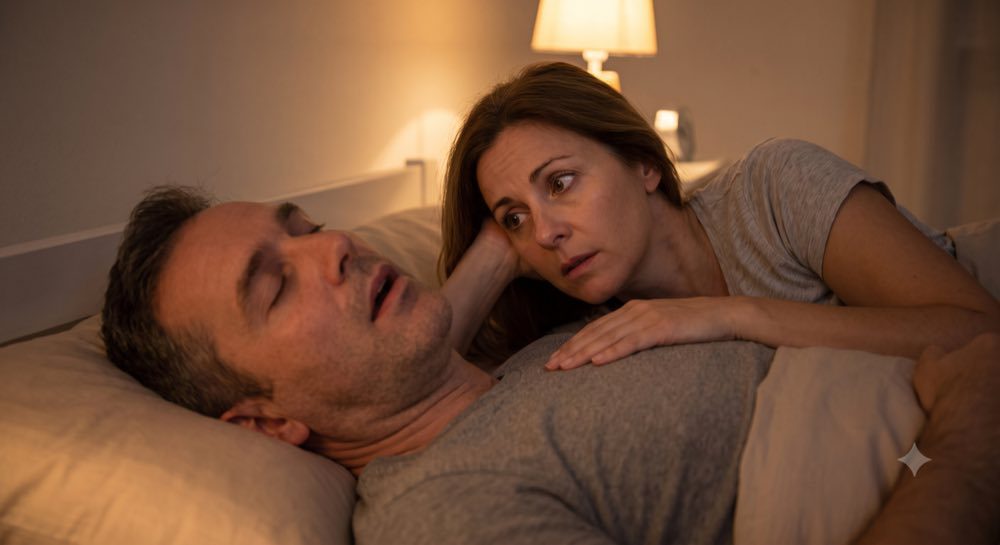
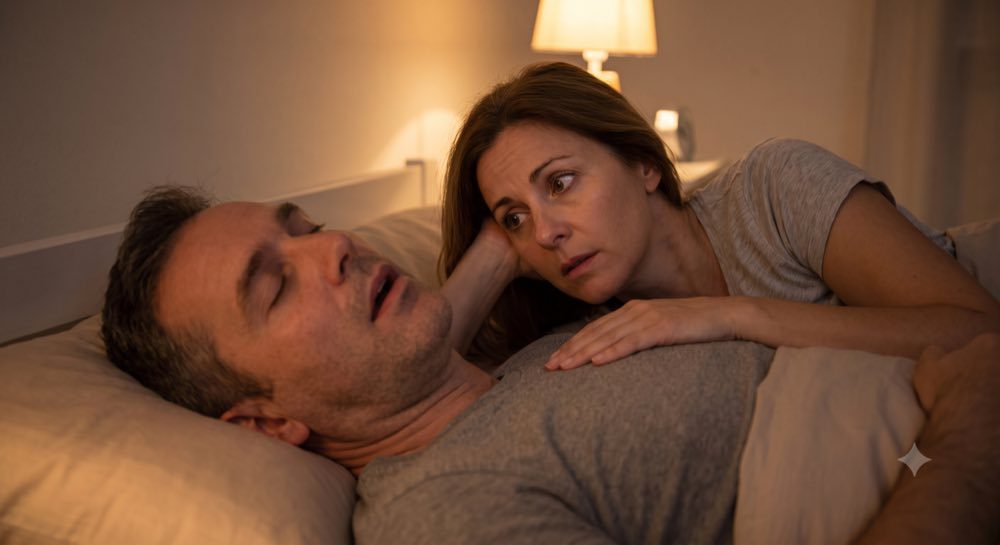
    Sleep apnea in men and women: a man snoring while asleep and his partner awake watching his breathing

    What obstructive sleep apnea is

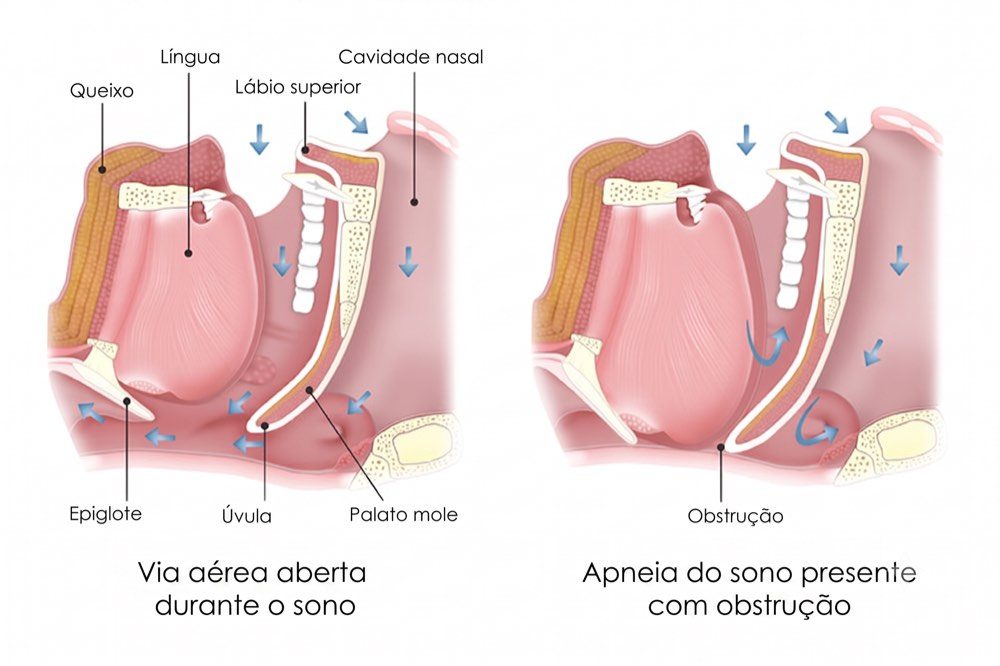
    During sleep, the muscles of the throat relax. In people with a narrower airway or more lax tissues, this relaxation can briefly close off the passage of air, interrupting breathing for a few seconds, several times a night. Each pause makes the brain react with a micro-arousal in order to start breathing again. Sleep becomes fragmented, the body does not truly rest, and blood oxygen fluctuates throughout the night.

    This is obstructive sleep apnea. It affects men and women alike, but the way it appears, is noticed, and is even diagnosed changes with sex.

    Illustration comparing the open airway during sleep and the obstructed airway in apnea

    Prevalence and epidemiology: more common in men, but not rare in women

    Apnea is, in fact, more frequent in men. One of the landmark population studies, the Wisconsin Sleep Cohort, found sleep-disordered breathing (defined as an apnea-hypopnea index [AHI] of 5 or more per hour of sleep) in about 24% of middle-aged men and 9% of middle-aged women. The classic ratio described is roughly 2 to 3 men for every woman in the general population.

    But that figure hides a trap. In clinics and sleep laboratories, for a long time the ratio seemed even higher (it was sometimes described as 8 or 10 men for every woman), not because women are so much less affected, but because they were referred for investigation far less often. In other words, part of the difference between the sexes is not biological, it is diagnostic.

    There is also a factor that changes everything over the course of a woman’s life: menopause. Before it, a woman’s risk is lower. Afterward, prevalence rises markedly and approaches that seen in men. Apnea, then, is not a “man’s disease,” but a condition that is distributed differently between the sexes and over time.

    Causes: why men tend to have more

    The differences begin with anatomy and physiology.

    • Fat distribution. Men tend to accumulate fat around the neck and abdomen (the android pattern), which increases pressure on the airway and the effort of breathing while lying down.
    • Airway shape and length. The male airway tends to be longer and more prone to collapse during sleep.
    • Female hormonal protection. Before menopause, female hormones (especially progesterone and estrogen) help maintain respiratory drive and the tone of the muscles that support the throat. This acts as partial protection. With the hormonal decline of menopause, this protection lessens and risk increases.

    In women, other triggers also come into play: weight gain, polycystic ovary syndrome, and pregnancy itself, a period in which hormonal and anatomical changes can favor the onset or worsening of apnea. In both sexes, nasal obstruction (from a deviated septum, enlarged turbinates, or rhinitis) and excess weight often contribute to the problem.

    Symptoms: the same condition, two different portraits

    Here is perhaps the most important difference of sleep apnea in men and women in practice.

    In men, apnea usually presents in the “classic” portrait, the one most people recognize:

    • loud, persistent snoring;
    • pauses in breathing noticed by the person sleeping beside them;
    • excessive daytime sleepiness (dozing off in meetings, in traffic, while reading).

    In women, symptoms tend to be less typical and, for that reason, more easily confused with other conditions:

    • tiredness and lack of energy (more than “sleepiness” as such);
    • insomnia or unrefreshing sleep;
    • headache on waking;
    • mood changes, such as anxiety and depressive symptoms;
    • difficulty with concentration and memory.

    Snoring does occur in women, but it is usually reported as milder, and breathing pauses are noticed less often. As a result, the complaint that leads to diagnosis frequently never surfaces.

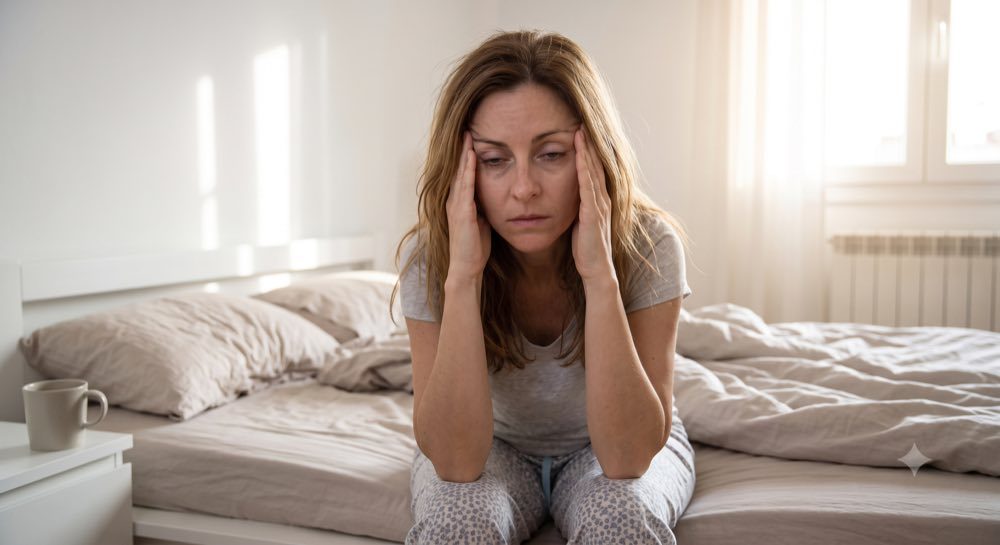
    Woman waking up tired with a headache, a sign of unrefreshing sleep

    The way symptoms are expressed also differs

    It is not only the body that behaves differently: so does the way people describe what they feel. Many women do not report snoring spontaneously, whether because they sleep alone and no one observes them, or because of a social embarrassment still attached to snoring in women. And when they describe feeling unwell, they tend to use words like “tiredness,” “exhaustion,” or “stress,” rather than “daytime sleepiness.”

    Men, on the other hand, often come to the office prompted by the complaint of whoever shares their bed: it is the loud snoring and the breathing pauses that trigger the search for help. This difference in how symptoms are reported means that apnea in men is “seen” more easily, while apnea in women stays silent for longer.

    Effects on life and health

    Untreated apnea goes well beyond poor sleep. In both sexes, it is associated with a higher risk of hypertension, arrhythmias, cardiovascular disease, metabolic changes, and worse quality of life.

    In women, some aspects deserve special attention. Mood and fatigue symptoms tend to weigh heavily on daily life and on the sense of well-being. And during pregnancy, apnea is associated with a higher risk of complications such as gestational hypertension, preeclampsia, and gestational diabetes, which reinforces the importance of investigating sleep during this period as well.

    In men, earlier diagnosis is an advantage, but daytime sleepiness carries concrete risks, such as traffic and workplace accidents, along with an impact on performance and relationships.

    How each sex tends to cope with the condition

    Because they are referred less and later, many women spend years with symptoms attributed to depression, hypothyroidism, anemia, fibromyalgia, or “menopause things” before apnea is even considered. This delay in diagnosis is one of the most important points to correct.

    In men, the path to diagnosis tends to be shorter, especially when a partner notices the snoring and the pauses. Once diagnosed, men and women may face different strengths and difficulties in sticking with treatment, which is why close follow-up, adjusting whatever is needed, makes a difference to the outcome.

    The practical message is simple: chronic tiredness, unrefreshing sleep, morning headache, and mood changes warrant a sleep evaluation, even without the thunderous snoring of the classic portrait.

    Diagnosis: the same test, with a close eye on the differences

    Diagnosis does not use a different test according to sex, but it does require attention so that apnea in women is not missed. The evaluation usually includes:

    • a detailed conversation about sleep, symptoms, and habits;
    • examination of the airway, often with nasal endoscopy, to check whether a nasal component is contributing;
    • when indicated, polysomnography (the “sleep study”), which confirms the diagnosis and grades its severity.

    One extra caution is worth noting: in women, apnea tends to concentrate in certain sleep stages (such as REM sleep) and in certain positions, and the index of events per hour may be lower even when symptoms are significant. For that reason, the number from the test alone must always be interpreted together with the person’s clinical picture.

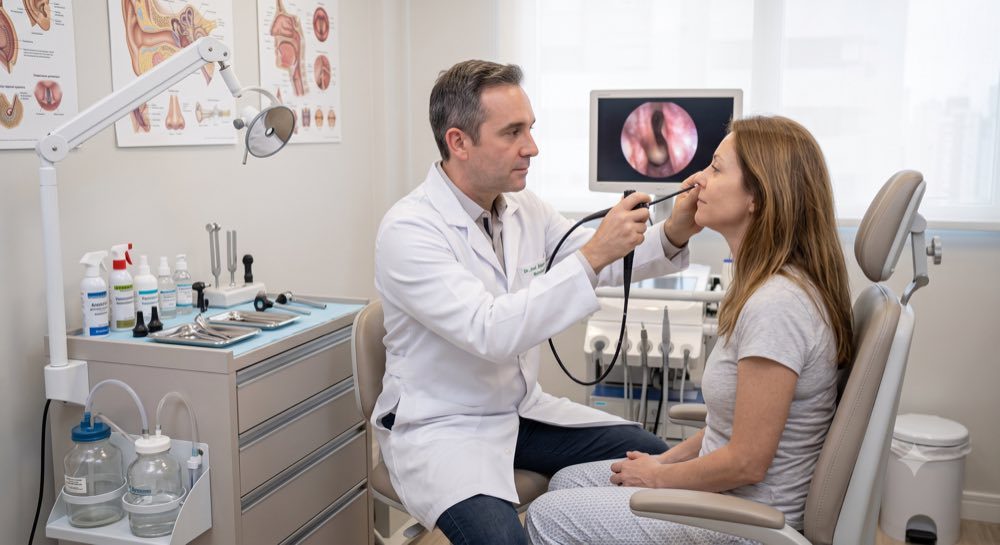
    Otolaryngologist evaluating the airway with nasal endoscopy in consultation

    Treatment of sleep apnea in men and women: the same principles, individually tailored

    Treatment options are, on the whole, the same for men and women, and the choice depends on severity, anatomy, and each person’s lifestyle:

    • CPAP (continuous positive airway pressure) remains the most established treatment for moderate to severe apnea in both sexes.
    • Oral appliance (mandibular advancement device, MAD) and positional therapy: useful in selected cases, especially when apnea is milder, positional, or concentrated in REM sleep, a pattern common in women.
    • Treating the nose: when nasal obstruction is part of the problem, septoplasty and turbinoplasty can improve breathing and even help with CPAP adherence.
    • Laser: for snoring and mild to moderate apnea, the Fotona laser (NightLase protocol) can be a non-surgical alternative. It involves 3 to 4 in-office sessions, with good results in selected cases.
    • Surgery: in some cases, surgery, such as septoplasty, robotic pharyngoplasty, or barbed reposition pharyngoplasty (BRP), can be a treatment option in patients with favorable anatomical features.
    • Lifestyle changes: weight control and attention to alcohol at night and to sleep are also part of treatment, whatever the sex.

    In women, it is also worth considering the stage of life (menopause and pregnancy, for example) when deciding on the best strategy. In every case, the goal is the same: to treat the cause of the obstruction, not merely to silence the snoring.

    Frequently asked questions

    Is sleep apnea only a man’s problem?

    No. Apnea is more frequent in men, but it also occurs in women, especially after menopause. Much of the observed difference comes from the fact that the condition is investigated less often in women, not simply from women being affected less.

    Why is apnea harder to diagnose in women?

    Because the symptoms tend to be less typical: tiredness, insomnia, headache on waking, and mood changes, rather than loud snoring with pauses. These signs are easily confused with depression, stress, or menopause symptoms, which delays diagnosis.

    Does snoring only a little mean I don’t have apnea?

    Not necessarily. Snoring can be mild or barely noticed, especially in women, and apnea may still be present. If there is persistent tiredness, unrefreshing sleep, or sleepiness, it is worth investigating.

    Does menopause increase the risk of apnea?

    Yes. As female hormones decline, the partial protection against apnea lessens, and prevalence in women rises, approaching that seen in men.

    Is apnea in pregnancy a cause for concern?

    It can be. Apnea during pregnancy is associated with a higher risk of gestational hypertension, preeclampsia, and gestational diabetes. Sleep symptoms in pregnancy warrant evaluation.

    Is the treatment different for men and women?

    The principles are the same (CPAP, treating the nose, an oral appliance, lifestyle changes, laser, or surgery in selected cases). What changes is the individual tailoring, taking into account anatomy, severity, sleep pattern, and each person’s stage of life.

    It’s worth discussing your case

    If you (or someone close to you) has tiredness that won’t go away, unrefreshing sleep, snoring, or breathing pauses, the first step is an evaluation that gets to the origin of the problem. Sleep apnea is treatable, and recognizing that sleep apnea in men and women shows up differently is part of reaching the right diagnosis.

    Dr. José Eduardo Marcondes is a PHYSICIAN and otolaryngologist (ENT) (CRM-SP 107.711 | RQE 43.840), working in nasal surgery and in the treatment of snoring and sleep apnea, seeing patients in Morumbi and Itaim (São Paulo) and in Alphaville (Barueri). If it makes sense for you, book a consultation so we can discuss your case.

    References

    1. Young T, Palta M, Dempsey J, Skatrud J, Weber S, Badr S. The occurrence of sleep-disordered breathing among middle-aged adults. New England Journal of Medicine. 1993;328(17):1230-1235. doi:10.1056/NEJM199304293281704.
    2. Bonsignore MR, Saaresranta T, Riha RL. Sex differences in obstructive sleep apnoea. European Respiratory Review. 2019;28(154):190030. doi:10.1183/16000617.0030-2019.
    3. Lin CM, Davidson TM, Ancoli-Israel S. Gender differences in obstructive sleep apnea and treatment implications. Sleep Medicine Reviews. 2008;12(6):481-496. doi:10.1016/j.smrv.2007.11.003.

    This content is informational, does not replace a medical consultation, and does not supersede the plan of care defined by your own physician.

    About the author

    Dr. José Eduardo Marcondes

    Physician, Otolaryngologist (ENT) · CRM-SP 107.711 · RQE 43.840

    Trained and completed his residency at Escola Paulista de Medicina (UNIFESP), with more than two decades of experience. Focused on the treatment of snoring and sleep apnea, nasal obstruction, chronic sinusitis, adenoids and tonsils, in adults and children. Member of ABORL-CCF and of the medical staff at Hospital Israelita Albert Einstein, Vila Nova Star and São Luiz.

    Learn about his full career → · Schedule an appointment on WhatsApp


  • Snoring and sleep apnea surgery: what it is, how it works and when to have it

    Snoring and sleep apnea surgery: what it is, how it works and when to have it

    A complete guide to help you understand snoring and sleep apnea, whether surgery can help, and how it works.

    Starting out: what causes snoring? What is sleep apnea? How does it happen?

    Sleep apnea is a pause in breathing that occurs during the night. Snoring is a noise produced by the vibration of the airway structures as air passes through. But what does one have to do with the other? Why does this happen?

    Let’s go back a little so this becomes clearer. Let’s quickly understand how our breathing works, because from there it becomes very easy to understand what snoring and sleep apnea are.

    When we breathe in, in order for air to enter the body, the muscles of the lungs, especially the diaphragm, expand the rib cage, increasing its volume (you can see your chest expanding as you inhale). This expansion increases the volume of the rib cage and, as a result, lowers the pressure inside the lungs. This negative pressure spreads throughout the airway (trachea, larynx, pharynx, oral cavity, and nose), and air flows into the lungs due to the pressure difference. Pay attention to this concept, because it will be essential to understanding what happens in your throat that makes you snore while you sleep.

    When we sleep, the muscles of the body relax, and consequently the muscles of the pharynx and tongue also become more lax. As we draw in air during the night, the negative pressure created by the lungs travels throughout the airway and meets the relaxed muscles. Depending on the intensity of the airflow and the degree of muscle relaxation, these muscles vibrate and act like a kind of musical instrument, producing a sound, the well-known snore. So snoring is nothing more than the noise produced by the vibration of the airway muscles. Now, depending on the intensity of the negative pressure created, the airway does not merely vibrate, it can close, blocking the passage of air and causing what we call apnea. So you can see how sleep apnea and snoring are closely linked. They are different points on the spectrum of the same process.

    If apnea and snoring are so closely linked, what is the difference between them?

    The main difference lies in the impact on health that each of these problems can cause. Sleep apnea restricts the passage of air, either fully or partially, and this can lead to a range of harmful effects on the body, such as changes in blood pressure, the endocrine system, and immunity, as well as diabetes, an increased risk of heart attacks and strokes, impotence, among others. It is worth noting that treating apnea has been shown to improve symptoms, sleep, and quality of life (SAVE trial, 2016). If you want to understand exactly what happens, read the following article:

    The Physiology of Sleep Apnea: What Happens in Our Body

    Isolated snoring, known as primary snoring, may not seem like a major problem for most people, since its main complication is social. You cannot sleep next to your partner, you feel embarrassed traveling with friends, you cannot sleep at all on a plane.

    But the issue runs deeper. Snoring is not the same as having apnea. Snoring is a warning sign that deserves evaluation, not a diagnosis in itself. For this reason, people who snore habitually should be investigated, especially when associated signs are present. Compared with the general population, snorers are about 1.5 to 3 times more likely to have sleep apnea, depending on the diagnostic criteria and the sample.

    Sleep apnea is more common than it seems. In the EPISONO study, conducted in the city of São Paulo, about one third of adults (32.8%) had some degree of sleep apnea. Severity is measured by the AHI, the apnea-hypopnea index, which is the number of breathing pauses per hour of sleep: up to 5 is considered normal, 5 to 15 is mild, 15 to 30 is moderate, and above 30 is severe.

    Certain features make this evaluation even more important. Here is what they are:

    • Frequency: if you snore more than 3 to 4 times a week
    • Associated symptoms: morning headaches, difficulty concentrating and memory changes, daytime sleepiness, irritability, loss of libido
    • Presence of other conditions: high blood pressure, diabetes, cardiovascular disease, erectile dysfunction
    • Other factors: low testosterone, obesity, sleep medications

    The evaluation for sleep apnea is always carried out through polysomnography (a sleep study), and also through certain additional tests that may be important depending on the case and the planned course of treatment, such as a CT scan of the paranasal sinuses, a CT scan of the neck, flexible nasolaryngoscopy, and drug-induced sleep endoscopy, among others.

    What is the treatment for sleep apnea?

    The treatment of sleep apnea must be assessed on a case-by-case basis, but the goal of each option is always the same: to keep the airway open and ensure that air can pass through it.

    Each form of treatment uses different mechanisms to achieve this, and the main options that may be used, alone or in combination, are:

    • CPAP: this device creates positive air pressure, reversing the mechanics of breathing. In other words, instead of the lungs creating negative pressure to “pull” air in, the CPAP creates external positive pressure and “pushes” air into the body.
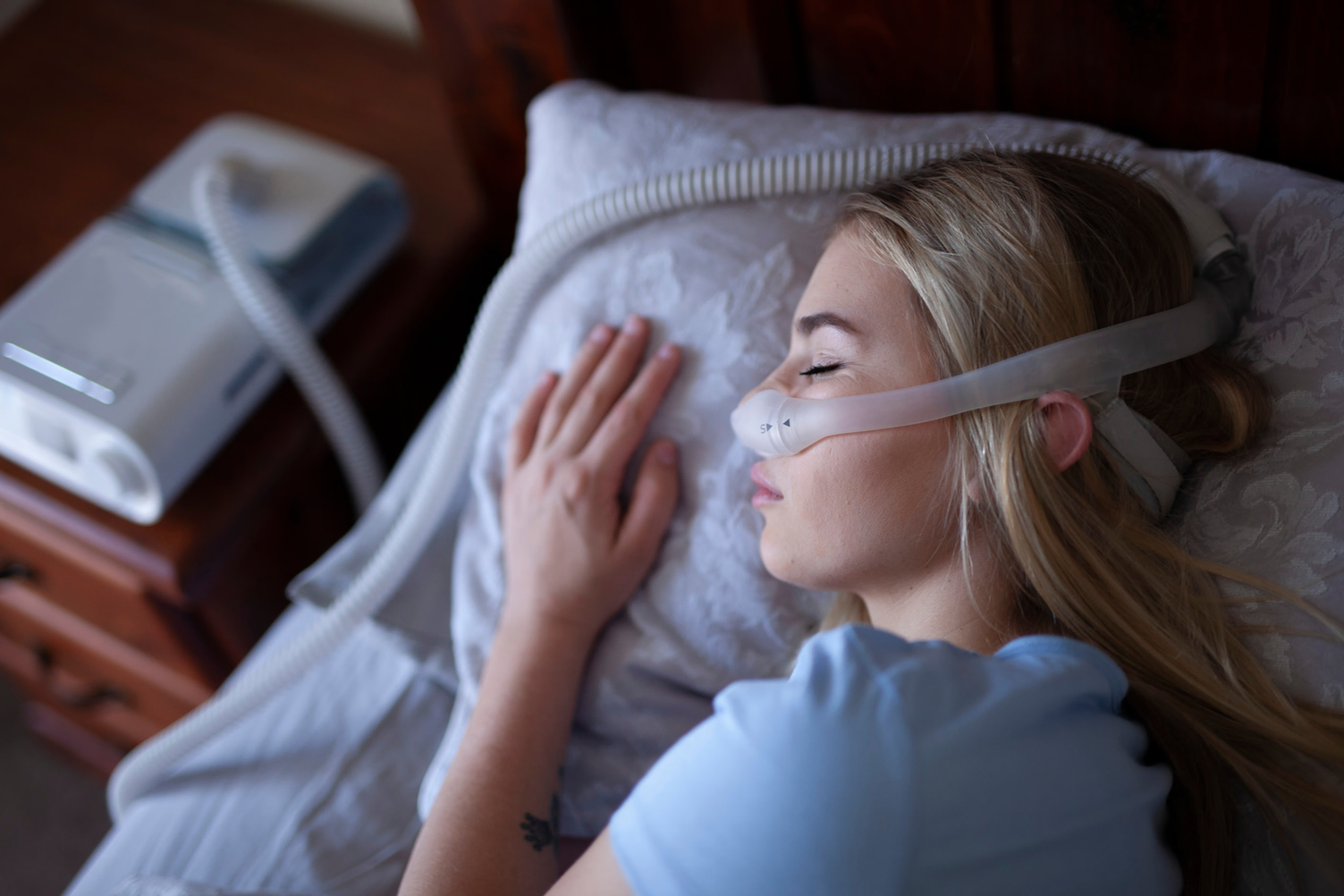
    Woman with sleep apnea sleeping with a CPAP
    Woman with sleep apnea sleeping with a CPAP
    • Oral appliance: this device pulls the lower jaw forward and repositions the tongue and pharynx, keeping the airway open.
    Oral appliance opening the airway of a person with sleep apnea
    Oral appliance opening the airway of a person with sleep apnea
    • Speech therapy: through specific exercises for the tongue, palate, pharynx, neck, and chest, it is possible to strengthen the muscles and help maintain a clear airway that favors the passage of air.
    Speech therapist assessing the palate of a patient with sleep apnea
    Speech therapist assessing the palate of a patient with sleep apnea
    • Fotona laser: stimulates collagen production and the tightening of throat tissues to open the airway
    Fotona laser being used to treat sleep apnea
    Fotona laser being used to treat sleep apnea
    • Surgery: by removing and repositioning various structures, it provides a wider airway that withstands the pressure of breathing, keeping air flowing through it
    Sleep apnea surgery performed with the assistance of the Da Vinci robot
    Sleep apnea surgery performed with the assistance of the Da Vinci robot
    Sleep apnea surgery using barbed reposition pharyngoplasty
    Sleep apnea surgery using barbed reposition pharyngoplasty

    Sleep apnea surgery: How is it performed? What are the results?

    A key concept: it is not just one surgery, it is several

    Surgery is an important option for patients who have not adapted to CPAP or other treatments. CPAP is the first-line treatment and is very effective when well tolerated, but between 30% and 50% of people do not adapt to it or abandon the device over time, and that is where surgery has a role. What many people do not realize is that this is not a single surgery, but rather a set of procedures performed at the same time, each directed at a specific point of the upper airway.

    The Concept of Multiple Procedures

    The main goal of surgical treatment for sleep apnea is to keep the airway open during sleep. Because obstructive events can occur at different levels of the upper airway (nose, palate, lateral pharyngeal walls, and base of tongue), the most effective surgical approach involves treating multiple areas at the same time. This combined strategy has been shown to produce better results compared with treating a single site of obstruction.

    Nasal Level: Clearing the Upper Airway

    Septoplasty: Correction of a Deviated Septum

    Correcting a deviated nasal septum is often the first step in multilevel surgery. A deviated septum can increase resistance to airflow through the nose and encourage mouth breathing during sleep, which worsens snoring. It is worth being clear about the role of the nose: nasal obstruction tends to worsen snoring and make CPAP use more difficult, but correcting the nose alone rarely cures apnea. It improves breathing, snoring, and often CPAP tolerance, which is why it is usually the first step of a multilevel surgery.

    During septoplasty, we make a small incision inside the nose, where the mucosa is lifted away from the cartilage and bone of the septum. The deviated portions are then removed or repositioned to center the nasal septum. This procedure significantly improves nasal airflow and reduces the tendency toward mouth breathing during sleep.

    Turbinoplasty: Reduction of the Nasal Turbinates

    Surgery on the nasal turbinates is often performed together with septoplasty. Enlarged turbinates can cause chronic nasal obstruction, forcing the patient to breathe through the mouth during sleep, which destabilizes the upper airway. Turbinoplasty aims to reduce the volume of the inferior turbinates while preserving their physiological function of filtering and humidifying the air.

    Ethmoidectomy and Maxillary Sinus Surgery

    When necessary, we also perform ethmoidectomy and maxillary sinus surgery. Ethmoidectomy involves removing inflamed tissue, polyps, or blockages in the ethmoid sinuses that prevent proper ventilation. This procedure, performed using an endoscopic technique, ensures precision and minimizes the surgical impact. Maxillary sinus surgery complements the treatment when the maxillary sinuses are affected, ensuring proper drainage and reducing recurrent infections that may contribute to nasal obstruction.

    In addition, combining this procedure helps create a second airflow pathway that can reduce airway resistance, contributing to the success of the surgery as a whole.

    Palatal Level: Enlarging the Retropalatal Space

    Barbed Reposition Pharyngoplasty to Open the Palate

    Barbed reposition pharyngoplasty is a modern, minimally invasive technique for treating the soft palate. This technique uses special sutures with small bidirectional barbs that reinforce and stabilize the throat tissues, improving the tension of the upper airway.

    Each barb of the suture acts as a knot anchored in the tissue, providing greater airway stability with shorter operating time and better healing. This approach is particularly effective for patients whose snoring is caused by excessive relaxation of the palatal tissues, offering faster recovery and good results.

    Lateral Wall Level: Functional Expansion with the Da Vinci Robot

    Functional Expansion Pharyngoplasty with the Da Vinci Robot

    A major evolution of this technique is Functional Expansion Pharyngoplasty performed with the Da Vinci robotic system. This procedure combines the principles of traditional expansion pharyngoplasty with the precision and advantages of transoral robotic surgery.

    The robotic functional expansion technique uses magnified 3D visualization and articulated instruments with 360-degree movement to reposition the palatopharyngeus muscle. During the procedure, the palatopharyngeus muscle is isolated from the mucosa and from the superior pharyngeal constrictor muscle, and is then divided inferiorly to form a muscle flap with a superior and medial pedicle.

    The free end of the palatopharyngeus muscle is then rotated upward and fixed at the junction between the soft and hard palate, creating tension in the lateral pharyngeal wall. The robot allows this fixation to be carried out with millimeter precision, ensuring optimal positioning of the muscle and reducing the risk of complications.

    This robotic approach to functional expansion offers advantages over the traditional technique. The three-dimensional visualization allows precise identification of the anatomical structures, while the articulated instruments make it possible to suture at angles that would be impossible with conventional techniques. The result is a more consistent enlargement of the pharyngeal space, with good results in appropriately selected patients.

    Base of Tongue Level: Robotic Surgery

    Robotic Lingual Tonsillectomy

    Transoral robotic surgery (TORS) using the Da Vinci system represents the most advanced development in the treatment of base of tongue obstruction.

    Robotic lingual tonsillectomy aims to remove enlarged tissue at the base of the tongue, including the lingual tonsils. The procedure may remove up to 20 grams of tissue as needed, based on the patient’s anatomy and the degree of collapse during sleep.

    Partial Glossectomy

    Midline partial glossectomy complements robotic treatment when there is significant macroglossia. This procedure involves the physical removal of a portion of the tongue in the central area, between the major blood vessels and nerves. The technique is guided by advanced imaging methods to ensure maximum safety and to preserve the essential functions of the tongue.

    Advantages of the Combined Approach

    Performing these multiple procedures at the same time offers several advantages. First, it makes it possible to treat all levels of obstruction in a single surgical session, reducing the need for subsequent surgeries. In addition, the multilevel approach tends to achieve higher success rates than treating a single site.

    Robotic surgery offers specific benefits, including less intraoperative bleeding, faster recovery, and functional preservation with a lower risk of changes in swallowing and speech. The high-definition 3D visualization and the precision of the articulated instruments help prevent bleeding and allow removal of the excess tissue.

    Recovery and Results

    Recovery varies according to the extent of the procedures performed.

    Multilevel surgery improves apnea in most well-selected cases. In meta-analyses, the success rate (a reduction in the AHI of at least half, with a final AHI below 20) is around 60% to 66%, with an average reduction of about 25 events per hour. Barbed reposition pharyngoplasty and robotic base-of-tongue surgery reduce the AHI by around 24 events per hour in the published series. It is worth being transparent: results depend heavily on patient selection and on the site of obstruction, and surgery usually improves symptoms and quality of life considerably, without necessarily eliminating apnea entirely.

    Combined surgery for the treatment of sleep apnea therefore represents a comprehensive solution that treats the points of upper airway obstruction at the same time. This multilevel approach offers patients an effective alternative to CPAP, with lasting results and a significant improvement in quality of life.

    Frequently asked questions

    Does everyone who snores have sleep apnea?

    No. Snoring is a warning sign that deserves evaluation, especially if it is frequent or comes with daytime sleepiness, morning headaches, or high blood pressure. The chance of apnea is about 1.5 to 3 times higher in people who snore than in the general population, but snoring by itself is not a diagnosis of apnea.

    How is the severity of apnea measured?

    By the AHI (apnea-hypopnea index), which counts the pauses in breathing per hour of sleep, measured during polysomnography (the sleep study): up to 5 is normal, 5 to 15 is mild, 15 to 30 is moderate, and above 30 is severe.

    Does surgery cure sleep apnea?

    In most well-selected cases, surgery greatly improves apnea and quality of life, but it does not always eliminate the problem. Success depends on the site of obstruction and on each patient’s characteristics, which is why a detailed evaluation before surgery is so important.

    Do I need to have all of these surgeries?

    No. Apnea can cause obstruction at different points (nose, palate, pharyngeal walls, base of the tongue), and surgery is individualized: only what is needed is treated, often in a single surgical session.

    Does surgery replace CPAP?

    CPAP is the first-line treatment and is very effective when well tolerated. Surgery is the main alternative for those who do not adapt to the device or abandon it, and it is sometimes used in combination with other measures.

    References

    1. Senaratna CV, et al. Prevalence of obstructive sleep apnea in the general population: a systematic review. Sleep Medicine Reviews. 2017;34:70-81.
    2. Wali SO, Abalkhail B, Krayem A. Prevalence and risk factors of obstructive sleep apnea syndrome in a Saudi Arabian population. Annals of Thoracic Medicine. 2017;12(2):88-94.
    3. Tufik S, et al. Obstructive Sleep Apnea Syndrome in the São Paulo Epidemiologic Sleep Study (EPISONO). Sleep Medicine. 2010.
    4. McEvoy RD, et al. CPAP for Prevention of Cardiovascular Events in Obstructive Sleep Apnea (SAVE trial). New England Journal of Medicine. 2016.

    Dr. José Eduardo Marcondes, physician, otolaryngologist (ENT). CRM-SP 107.711 (Brazilian medical license) | RQE 43.840 (specialist registration). This content is informational, does not replace a medical consultation, and does not supersede the plan of care defined by your own physician.

    About the author

    Dr. José Eduardo Marcondes

    Physician, Otolaryngologist (ENT) · CRM-SP 107.711 · RQE 43.840

    Trained and completed his residency at Escola Paulista de Medicina (UNIFESP), with more than two decades of experience. Focused on the treatment of snoring and sleep apnea, nasal obstruction, chronic sinusitis, adenoids and tonsils, in adults and children. Member of ABORL-CCF and of the medical staff at Hospital Israelita Albert Einstein, Vila Nova Star and São Luiz.

    Learn about his full career → · Schedule a consultation on WhatsApp

  • The Physiology of Sleep Apnea: What Happens in Your Body

    The Physiology of Sleep Apnea: What Happens in Your Body

    How Does an Apnea Episode Happen?

    During obstructive sleep apnea, the upper airway collapses in the region of the pharynx. When you sleep, the throat muscles relax naturally, but in people with apnea this relaxation is excessive, causing the airway to close partially or completely.

    Imagine a straw that collapses as you try to breathe through it. Your body keeps working to breathe, creating negative pressure in the chest, but air cannot get through. During each episode, which lasts at least 10 seconds (and may extend beyond a minute), the body enters a state of asphyxia.

    What Happens During Each Breathing Pause

    When breathing stops, two critical things happen in your body:

    Hypoxia: The amount of oxygen in the blood drops sharply. It is as if every cell in your body began to “starve” for oxygen.

    Hypercapnia: Carbon dioxide (CO₂) builds up in the blood, creating a toxic environment. It is as if you were breathing stale air.

    These events lead special sensors in your body (called chemoreceptors) to detect the danger and send urgent signals to the brain: “You need to breathe now!”. The brain then triggers a micro-arousal. You do not wake up fully, but you come out of deep sleep just enough for the throat muscles to contract and reopen the airway.

    The Cascade Effect on the Cardiovascular System

    Each apnea episode sets off a storm in your cardiovascular system:

    The Sympathetic Nervous System on Maximum Alert

    The sympathetic nervous system, responsible for “fight or flight” reactions, is intensely activated. It is a response much like being mugged or attacked by an animal. The difference is that this happens all night long, as if your body believed it were in constant danger. This causes:

    • A massive release of adrenaline and other stress hormones
    • Vasoconstriction: the blood vessels contract sharply
    • Rapid spikes in blood pressure: with each pause, the pressure spikes for a few seconds, which in severe cases may exceed 180 to 200 mmHg. This is not continuous high blood pressure, but this oscillation, repeated hundreds of times a night, overloads the heart and vessels over time
    Apnea, the thief stealing a person’s health
    Apnea, the thief stealing a person’s health

    The Heart Under Pressure

    With each episode, your heart undergoes tremendous stress:

    • A sudden rise in heart rate
    • A higher risk of arrhythmias (irregular heartbeats)
    • Left ventricular hypertrophy (the heart muscle becomes “swollen” from working so hard)
    • An increased risk of heart attack and heart failure

    How Sleep Apnea Affects Specific Body Systems

    Respiratory System

    • Pulmonary hypertension: pressure in the lungs rises due to the lack of oxygen
    • Changes in the brain’s respiratory center
    • A gradual reduction in lung capacity over time

    Endocrine and Metabolic System

    Apnea can cause hormonal chaos:

    Insulin Resistance: Hypoxia and stress may keep cells from responding properly to insulin, raising the risk of type 2 diabetes. It is as if the cells’ “locks” (insulin receptors) became “rusty”.

    Disrupted Appetite Hormones:

    • Ghrelin (the hunger hormone): rises sharply
    • Leptin (the satiety hormone): decreases
    • Elevated Cortisol: The stress hormone stays high, contributing to weight gain and metabolic changes.

    Nervous System

    Impaired Cognitive Function:

    • Memory loss and difficulty concentrating
    • Slowed reaction time (similar to the effect of alcohol)
    • A higher risk of traffic accidents, about 2 to 3 times higher, especially in severe cases with marked sleepiness (CPAP treatment substantially reduces this risk)
    • Mood changes, depression, and anxiety

    Stroke Risk: apnea nearly doubles the risk of stroke, independently of factors such as blood pressure, weight, and diabetes (study published in the New England Journal of Medicine, 2005), through the combination of hypertension, changes in cerebral blood flow, and a greater tendency to form clots.

    Reproductive System

    Apnea can deeply affect the sex hormones and reproductive function in both men and women:

    Effects on the Male Reproductive System:

    Lower Testosterone: Intermittent hypoxia and sleep fragmentation can inhibit testosterone production by suppressing the hypothalamic-pituitary-gonadal axis. Obstructive apnea is associated with lower testosterone levels, especially in more severe cases and in men with obesity. Much of this relationship, however, is explained by excess weight itself, and treating apnea alone does not always normalize the hormone.

    Erectile Dysfunction: The combination of low testosterone, vascular problems, oxidative stress, and altered penile blood flow means that men with apnea may face a significantly higher risk of impotence. Apnea is considered an independent risk factor for erection problems.

    Reduced Fertility: Sperm quality may be impaired by hypoxia and oxidative stress, resulting in a lower sperm count, reduced sperm motility, and increased sperm DNA fragmentation. This can make conception more difficult and raise the risk of miscarriage.

    Effects on the Female Reproductive System:

    Menstrual Irregularities: Apnea may cause irregular menstrual cycles due to hormonal changes, making it harder to identify the fertile window and reducing the chances of conception.

    Reduced Fertility: Women with apnea may have difficulty ovulating properly due to an imbalance of the hormones FSH (follicle-stimulating) and LH (luteinizing), both essential for healthy ovulation.

    Menopause-Related Problems: Apnea becomes more common after menopause due to the decline in estrogen and progesterone levels, which naturally help maintain the muscle tone of the airway. Hormone deficiency combined with apnea can create a vicious cycle that worsens menopausal symptoms.

    Pregnancy Complications: Pregnant women with apnea have a higher risk of gestational hypertension, gestational diabetes, and complications during delivery.

    Immune System

    Sleep apnea can cause profound dysfunction of the immune system, creating a state of chronic inflammation in the body:

    Persistent Inflammatory State: Intermittent hypoxia and sleep fragmentation cause the body to continuously produce pro-inflammatory cytokines such as IL-1, IL-6, and TNF-α. It is as if the body were always “fighting an infection” that does not exist.

    Suppressed Immunity: The rise in cortisol and oxidative stress lead to immunosuppression, reducing the body’s ability to fight real infections. This can result in greater susceptibility to colds, flu, pneumonia, and other infectious diseases.

    Imbalance of Defense Cells: There is a reduction in CD3+, CD4+, and CD8+ cells (lymphocytes important for defense) and a shift in the balance between cellular (Th1) and humoral (Th2) immune responses, favoring a pattern similar to that seen in autoimmune diseases.

    Reduced NK Cell Activity: Natural Killer cells, which help defend the body, may show reduced activity. Laboratory research suggests this could weaken defenses against tumors, but it is important to be clear that this is a hypothesis under investigation: it is not proven that apnea causes cancer in people.

    Oxidative Stress: The Assault of Free Radicals

    One of the most damaging effects of apnea is the creation of free radicals. With each cycle of oxygen deprivation followed by reoxygenation, it is as if your cells were put through “extreme exercise,” generating toxic substances that damage:

    • Blood vessels (accelerating the process of atherosclerosis)
    • Heart cells
    • Neurons in the brain
    • Pancreatic cells (worsening diabetes)

    The Vicious Cycle

    Apnea creates a vicious cycle that is hard to break:

    1. Apnea → Weight gain (due to altered hormones)

    2. Weight gain → Worsening apnea (more tissue in the throat)

    3. Worse apnea → More metabolic problems

    4. More problems → More weight gain

    Impact on Overall Health

    Cardiovascular: about half of people with apnea also have high blood pressure, and apnea is a recognized cause of hard-to-control hypertension. Long-term studies show that severe apnea nearly triples the risk of developing hypertension. The risk of heart attack, arrhythmias, and heart failure also increases.

    Metabolic: The prevalence of type 2 diabetes is much higher in patients with apnea, regardless of weight.

    Neurological: A higher risk of dementia, memory loss, and accidents due to drowsiness.

    Immunological: Greater susceptibility to infections. The relationship with some types of cancer is a hypothesis still under study, not a certainty.

    Reproductive: Reduced fertility, sexual dysfunction, menstrual irregularities, and hormonal disturbances that affect sexual and reproductive quality of life.

    Quality of Life: Excessive sleepiness, depression, relationship difficulties, and a significant drop in productivity.

    The Good News

    The most important point is that treating apnea may reverse many of these problems. When breathing is normalized during sleep (with CPAP, oral appliances, or surgery), the following are often observed:

    • A reduction in blood pressure
    • Improved diabetes control
    • A reduction in oxidative stress
    • Improved cognitive function and mood
    • Improvement in snoring, daytime sleepiness, and quality of life

    Treatment reliably improves symptoms, sleep, mood and quality of life, and helps control blood pressure. Treating is well worth it for symptoms, blood pressure and quality of life.

    This shows how an apparently “simple” sleep disorder can have profound consequences for the entire body, but also how appropriate treatment can transform a person’s health and quality of life. See how snoring and sleep apnea surgery works.

    Frequently Asked Questions

    Does sleep apnea cause cancer?

    It is not proven. Laboratory research suggests that intermittent lack of oxygen may weaken part of the body’s defenses (the NK defense cells), but this is still a hypothesis under study, not a proven cause-and-effect relationship in people.

    Does treating apnea prevent heart attack and stroke?

    Treatment reliably improves snoring, sleepiness, mood, quality of life, and helps control blood pressure. However, the prevention of heart attack and stroke was not demonstrated by the largest randomized trial (SAVE, 2016). Even so, treating is very important for symptoms, blood pressure, and quality of life.

    Does apnea raise blood pressure?

    Yes. With each pause there is a rapid pressure spike, and over time apnea is a recognized cause of high blood pressure, especially the hard-to-control kind. Severe apnea nearly triples the risk of hypertension.

    References

    1. Peppard PE, Young T, Palta M, Skatrud J. Prospective study of the association between sleep-disordered breathing and hypertension. New England Journal of Medicine. 2000;342:1378-1384.
    2. Yaggi HK, et al. Obstructive sleep apnea as a risk factor for stroke and death. New England Journal of Medicine. 2005;353:2034-2041.
    3. Tregear S, et al. Obstructive sleep apnea and risk of motor vehicle crash: systematic review and meta-analysis. Journal of Clinical Sleep Medicine. 2009.
    4. McEvoy RD, et al. CPAP for Prevention of Cardiovascular Events in Obstructive Sleep Apnea (SAVE trial). New England Journal of Medicine. 2016.
    5. Su L, et al. Association between obstructive sleep apnea and male serum testosterone: a systematic review and meta-analysis. Andrology. 2022.

    Dr. José Eduardo Marcondes, physician, otolaryngologist (ENT). CRM-SP 107.711 (Brazilian medical license) | RQE 43.840 (specialist registration). This content is informational, does not replace a medical consultation, and does not supersede the plan of care defined by your own physician.

    About the author

    Dr. José Eduardo Marcondes

    Physician, Otolaryngologist (ENT) · CRM-SP 107.711 · RQE 43.840

    Trained and completed his residency at Escola Paulista de Medicina (UNIFESP), with more than two decades of experience. Focused on the treatment of snoring and sleep apnea, nasal obstruction, chronic sinusitis, adenoids and tonsils, in adults and children. Member of ABORL-CCF and of the medical staff at Hospital Israelita Albert Einstein, Vila Nova Star and São Luiz.

    Learn about his full career → · Book an appointment on WhatsApp

  • Sleep as an Ally: Building Restful Nights for Better Days

    Sleep as an Ally: Building Restful Nights for Better Days

    Sleeping well is a necessity, not a luxury!

    Imagine waking up every morning feeling genuinely rested, with the energy to take on the day’s challenges and the readiness to enjoy every moment. This is not a distant reality or a privilege reserved for a few – it is the natural result of quality sleep, something most of us can achieve with the right habits.

    Sleep goes far beyond simple rest. It is during these precious hours that the body renews itself: the immune system grows stronger, memory is consolidated, tissues repair themselves, and essential hormones are produced. When we sleep well, we not only recover energy but literally prepare ourselves to be the best version of ourselves the following day.

    The Connection Between Table and Bed: How Diet Influences Sleep

    What we put on our plate has a direct impact on the quality of our nights. Some foods are true allies of sleep, while others can turn bedtime into a frustrating struggle.

    The stars of a sleep-friendly dinner include foods rich in tryptophan, an amino acid that the body converts into serotonin and, later, into melatonin – the well-known sleep hormone. Fish such as salmon and tuna, lean meats like chicken and turkey, eggs, milk and dairy products, along with nuts and seeds, are excellent options to include in your diet.

    Fruits also deserve special mention. Bananas, in addition to tryptophan, provide magnesium and potassium, minerals that support muscle relaxation. Cherries are a natural source of melatonin, while kiwi has properties that may help both with falling asleep and with staying in deep sleep.

    For dinner, the golden rule is simplicity and lightness. Very heavy meals that are rich in fat or heavily seasoned can cause digestive discomfort and disrupt sleep. Ideally, have your last meal at least two hours before lying down, so that digestion does not interfere with rest.

    A few precautions are essential: avoid caffeine after 2 p.m., as it can remain active in the body for up to 8 hours. Chocolate, soft drinks, and even some teas contain stimulant substances. Alcohol, although it may initially cause drowsiness, fragments sleep during the night, resulting in poor-quality rest.

    Movement That Soothes: The Role of Exercise in Sleep Quality

    Regular physical activity is one of the most valuable investments we can make to improve our sleep. People who are physically active are nearly twice as likely to maintain high-quality sleep compared with those who are sedentary.

    Aerobic exercise, such as walking, running, swimming, or cycling, is especially beneficial. It boosts blood circulation, promotes relaxation, and helps regulate the body’s circadian rhythms. Just 30 minutes of moderate activity can already make a meaningful difference in how easily you fall asleep and in the depth of your sleep.

    The timing of exercise also matters. Activities done in the morning or afternoon help synchronize the body clock, while intense exercise too close to bedtime can have a stimulating effect. Ideally, finish vigorous workouts at least 3 hours before lying down.

    For those who are short on time, gentler activities such as yoga, pilates, or stretching before bed can be excellent options. They promote muscular and mental relaxation, creating a natural transition between wakefulness and sleep.

    Creating a Sanctuary for Rest: The Ideal Environment

    Your bedroom should be an invitation to relax. Small adjustments to the environment can completely transform the quality of your sleep, without major expense.

    Temperature is a crucial and often overlooked factor. The ideal environment for sleeping should be between 18°C and 22°C. Our body naturally lowers its temperature during sleep, and a room that is too hot or too cold can interrupt this natural process. Use bedding appropriate for the season and maintain good ventilation.

    Darkness is essential for adequate melatonin production. Blackout curtains or sleep masks can be great allies, especially if you live in areas with a lot of external lighting. Avoid blue light from electronic devices for at least an hour before bed, as it “tricks” the brain into believing it is still daytime.

    Silence also contributes to restorative sleep. If you cannot control external noise, consider using earplugs or relaxing sounds that mask the disturbing background noise.

    The way the space is organized directly influences our ability to relax. A clean, tidy bedroom conveys a sense of calm, while cluttered surroundings can generate unconscious anxiety.

    Routines That Transform: Building Powerful Habits

    Consistency is the key to quality sleep. Our body works best with predictable routines, and that includes the times we go to bed and wake up.

    Set a fixed time to go to bed and get up, even on weekends. This regularity helps fine-tune the internal body clock, so that you feel sleepy naturally at the right time and wake up feeling more refreshed.

    Create a relaxation ritual before bed. This might include a warm bath, reading a book, meditation, or simple breathing techniques. What matters is that they are calm, pleasant activities that signal to the body that it is time to prepare for rest.

    If you cannot fall asleep within 20 minutes, get out of bed and do a relaxing activity in another room, returning only when you feel sleepy. This keeps the brain from associating the bed with insomnia and anxiety.

    Small Changes, Great Transformations

    Improving sleep quality does not require radical changes to your routine. Small, consistent adjustments can produce surprising results. Start by choosing one or two suggestions that make the most sense for your current situation and put them into practice gradually.

    Keep in mind that each person is unique, and it may take a few weeks for your body to adapt to new routines. Be patient with yourself throughout this process of change.

    When we prioritize sleep, we are investing in our physical, mental, and emotional health. We are choosing more energy, a better mood, greater ability to concentrate, and a stronger immune system. In a world that often glorifies sleep deprivation as a sign of productivity, caring for your rest is an act of self-care and wisdom.

    Well-slept nights are the foundation for extraordinary days. Why not start building that solid foundation today, for a fuller and healthier life?


    Dr. José Eduardo Marcondes, physician, otolaryngologist (ENT). CRM-SP 107.711 (Brazilian medical license) | RQE 43.840 (specialist registration). This content is informational, does not replace a medical consultation, and does not supersede the plan of care defined by your own physician.

    About the author

    Dr. José Eduardo Marcondes

    Physician, Otolaryngologist (ENT) · CRM-SP 107.711 · RQE 43.840

    Trained and completed his residency at Escola Paulista de Medicina (UNIFESP), with more than two decades of experience. Focused on the treatment of snoring and sleep apnea, nasal obstruction, chronic sinusitis, adenoids and tonsils, in adults and children. Member of ABORL-CCF and of the medical staff at Hospital Israelita Albert Einstein, Vila Nova Star and São Luiz.

    Discover his full career → · Schedule a consultation on WhatsApp

  • Transoral Robotic Surgery (TORS): The Evolution in Sleep Apnea Treatment

    Transoral Robotic Surgery (TORS): The Evolution in Sleep Apnea Treatment

    Transoral robotic surgery (TORS) represents one of the most significant technological advances in the surgical treatment of obstructive sleep apnea and hypopnea syndrome (OSAHS). This technology has reshaped the therapeutic approach to patients whose obstruction occurs in specific anatomical areas, particularly the lateral pharyngeal wall and the base of tongue, offering an effective and safe alternative to conventional treatments in selected cases.

    Fundamentals of Transoral Robotic Surgery

    TORS uses the Da Vinci surgical system, approved by the U.S. FDA in December 2009 and originally developed at the University of Pennsylvania. This system employs a high-precision computerized platform that allows the surgeon to operate through the patient’s mouth, with no need for external incisions.

    It shows the 3 components of the Da Vinci surgical robot: Console, Vision Cart and Patient Cart

    Components of the Da Vinci surgical robot
    The system is made up of three main components: the surgeon’s console, the patient cart with robotic arms, and the vision cart. The surgeon controls the robotic instruments through a console similar to a video game, using controllers that reproduce hand movements with great accuracy, but with greater dexterity and tremor elimination

    An important point is that the surgical robot is not a new surgical technique. It is an instrument that can be used to obtain the best possible results from the various existing surgical techniques. For example, expansion pharyngoplasty is a widely used technique for treating sleep apnea and can be performed without the robot; however, incorporating robotic technology may help achieve more satisfactory results with a lower complication rate, using the same technique.

    Components of the Da Vinci surgical robot

    Components of the Da Vinci surgical robot

    Anatomy and Pathophysiology of the Obstruction

    Obstructive sleep apnea and hypopnea syndrome (OSAHS) results from collapse of the upper airway during sleep, caused by relaxation of the pharyngeal muscles. The main sites of obstruction include:

    Lateral Pharyngeal Wall

    Collapse of the lateral pharyngeal walls is one of the leading causes of obstruction in patients with OSAHS. During sleep, the loss of muscle tone allows these structures to come closer together, significantly narrowing the airway.

    Base of Tongue

    The base of tongue is one of the most challenging sites for traditional surgical intervention. Hypertrophy of the lymphoid tissue (lingual tonsils) or an increase in the volume of the intrinsic tongue muscles can cause significant obstruction during sleep.

    Advantages of the Robotic Approach

    Technical Benefits

    • Magnified 3D visualization: Allows precise identification of anatomical structures and greater safety during dissection
    • Articulated instruments: 360-degree movements with precision beyond that of the human hand
    • Tremor filtration: Eliminates involuntary movements, increasing surgical precision
    • Access to hard-to-reach structures: surgery in areas such as the base of tongue and lingual tonsils is technically very difficult to perform without the help of the robot

    Clinical Benefits

    • Less intraoperative bleeding: The precision of the robotic instruments reduces tissue trauma
    • Faster recovery: Greater precision and less trauma may lead to a faster recovery
    • Functional preservation: Lower risk of complications and of changes to functions such as swallowing and speech

    Who is this surgery indicated for?

    Robotic surgery for apnea is an excellent alternative for people who have not adapted to CPAP or to any other medical treatment for sleep apnea. See also how snoring and sleep apnea surgery works.

    To consider surgery, it is essential to perform a polysomnography (sleep study), which assesses the apnea and hypopnea index, the presence of oxygen desaturation, heart rate changes, and other parameters.

    Imaging studies, such as a CT scan, are used to assess the anatomical structures of the region

    In addition, a thorough physical evaluation combined with flexible nasolaryngoscopy provides important information about whether surgery is feasible.

    In some cases, drug-induced sleep endoscopy may be needed to provide additional information.

    After all of this, each case is analyzed individually and the best course of action can be defined.

    Future Perspectives

    Robotic surgery continues to evolve, with promising prospects. The reduction in the size of the robotic arm and the incorporation of technologies such as the CO2 laser are steps aimed at broadening its potential uses.

    The new frontiers are the use of the robot as an augmented reality platform, as well as the use of AI, to make surgeries more precise, safe and efficient.

    Seated at the robot's console, about to begin a pharyngoplasty surgery for the treatment of sleep apnea

    Seated at the robot’s console, about to begin a pharyngoplasty surgery for the treatment of sleep apnea

    Dr. José Eduardo Marcondes, physician, otolaryngologist (ENT). CRM-SP 107.711 (Brazilian medical license) | RQE 43.840 (specialist registration). This content is informational, does not replace a medical consultation, and does not supersede the plan of care defined by your own physician.

    About the author

    Dr. José Eduardo Marcondes

    Physician, Otolaryngologist (ENT) · CRM-SP 107.711 · RQE 43.840

    Trained and completed his residency at Escola Paulista de Medicina (UNIFESP), with more than two decades of experience. Focused on the treatment of snoring and sleep apnea, nasal obstruction, chronic sinusitis, adenoids and tonsils, in adults and children. Member of ABORL-CCF and of the medical staff at Hospital Israelita Albert Einstein, Vila Nova Star and São Luiz.

    Discover his full career → · Schedule an appointment on WhatsApp
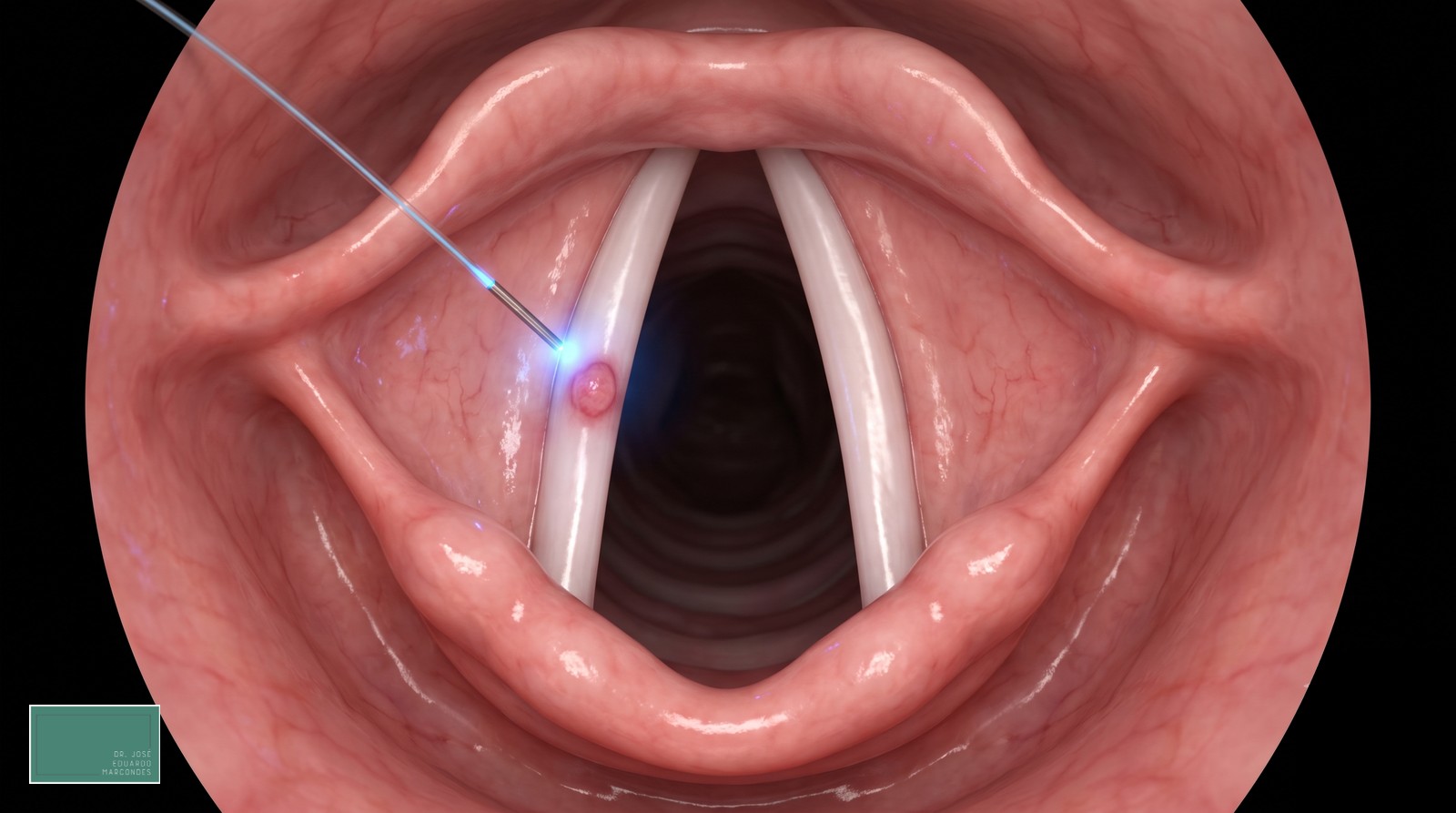
Agende