Category: ENT (otolaryngology)

Articles by Dr. José Eduardo Marcondes on the ear, nose, throat and sleep — the general category that gathers all blog content.

  • How do I stop snoring? What really works, according to the evidence

    How do I stop snoring? What really works, according to the evidence

    “Doctor, how do I stop snoring?” This is one of the most frequent questions in the office. Or rather, the most frequent question is: “How do I get my husband (or my wife) to stop snoring?” Almost always, the person who booked the appointment is not the one who snores, but the one who sleeps next to them.

    The answer begins with a question: why does this person snore? Snoring has several possible origins, and each origin has a treatment of its own. There is a path of investigation and a ladder of treatments, from the simplest to the most advanced. In this article, we explain how to follow that path with clear criteria.

    First of all: what is snoring?

    Snoring is the sound of the throat tissues vibrating when air passes through a tight space. It works like a flag in the wind: when air moves freely through a wide space, nothing vibrates; when it has to squeeze through a narrow passage, it speeds up and makes the soft tissues (the soft palate, the uvula, the walls of the throat) vibrate. That vibration is the snore.

    Snoring now and then, during a cold or after a dinner with wine, happens to almost everyone. The snoring that deserves attention is loud, frequent snoring that bothers the person sleeping next to you, or snoring that comes with pauses in breathing.

    Why do you snore? The answer is in the airflow.

    In the office, we usually sum the mechanism up as a simple combination: a narrow upper airway + tissues that relax too much. Each side of that combination has its own causes.
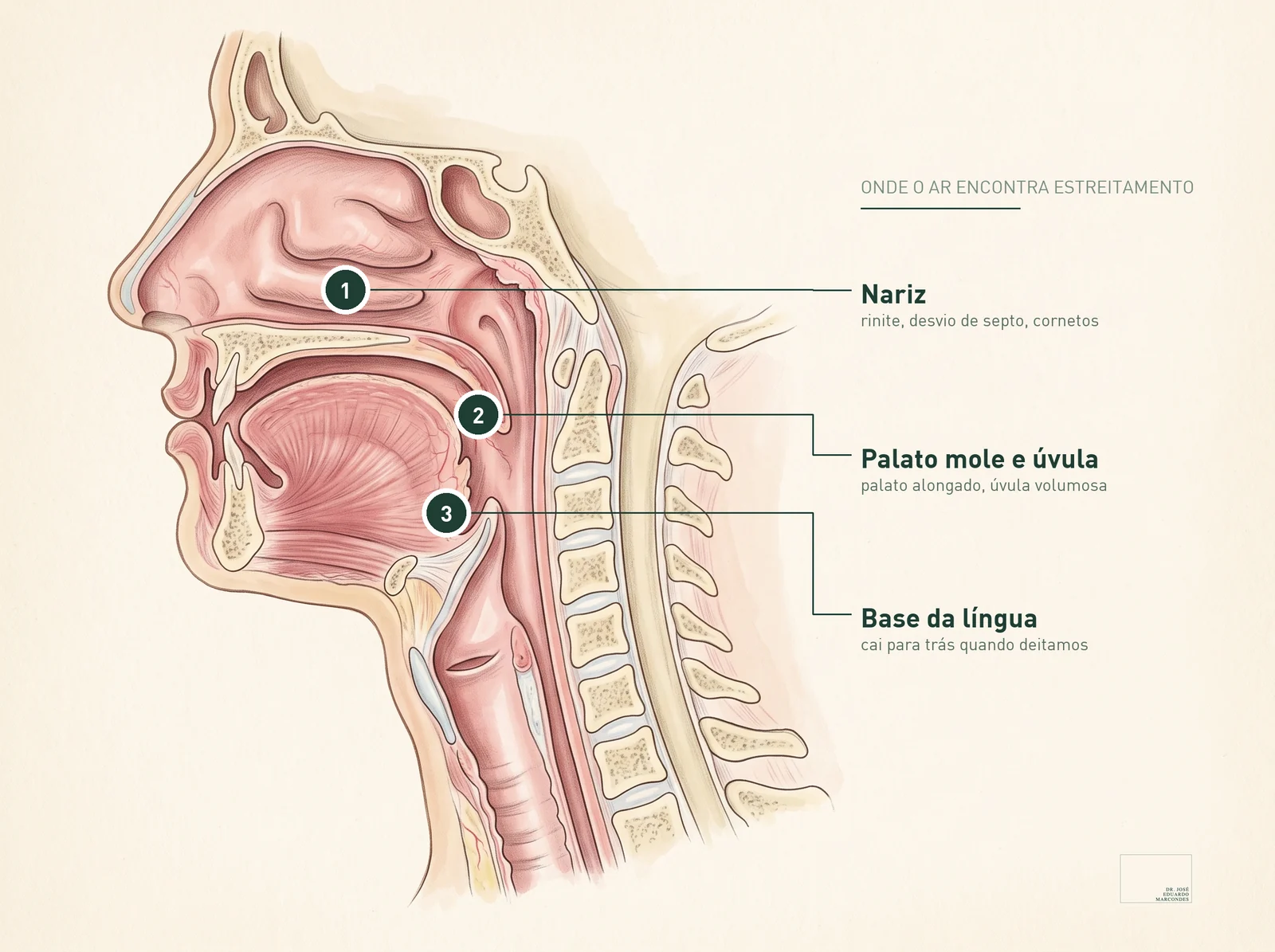
    Anatomical illustration, midsagittal section, showing the three points where air meets narrowing in the upper airway: the nose, the soft palate and uvula, and the base of tongue.

    What narrows the upper airway:

    • A blocked nose: rhinitis, a deviated nasal septum, enlarged turbinates (the spongy structures inside the nose), nasal polyps
    • An elongated soft palate or a bulky uvula
    • Enlarged tonsils
    • A bulky base of tongue, which falls backward when we lie down
    • Excess weight, which deposits tissue around the throat and the neck

    What makes the tissues relax too much:

    • Sleep itself, especially in the deeper stages
    • Alcohol at night, which acts as a muscle relaxant for the throat
    • Some sedative medications
    • The passing years, which naturally reduce muscle tone
    • Menopause, a period in which hormonal changes increase the chance of snoring and sleep apnea in women (Young et al., 2003)
    • Sleeping on your back, a position in which the tongue and the palate tend to fall backward

    Each person snores because of a different combination of these factors. That is why the right question is not “what is the treatment for snoring?”, but “why does this person snore?”. Investigating before treating is what separates a consistent solution from a shot in the dark.

    When snoring stops being just snoring: sleep apnea

    Not all snoring is a disease. There is what we call primary snoring, in which the person snores but breathes well all night long. And there is snoring that is a symptom of obstructive sleep apnea (OSA), a condition in which the throat closes completely, over and over again, causing pauses in breathing (apneas), drops in oxygen, and arousals that fragment sleep.

    Is this common? More than people imagine. The EPISONO study, which assessed the adult population of the city of São Paulo with sleep studies, found obstructive sleep apnea syndrome in 32.8% of the adults evaluated (Tufik et al., 2010). Most of them did not know they had it.

    The signs that raise the suspicion of sleep apnea, in addition to loud snoring:

    • Pauses in breathing witnessed by the person who sleeps next to you
    • Waking up choking or with a feeling of suffocation
    • Sleep that does not restore: waking up tired even after enough hours in bed
    • Sleepiness during the day, at work or at the wheel
    • Morning headache, dry mouth on waking
    • High blood pressure that is hard to control

    The STOP-Bang questionnaire: how these questions can help you

    One tool we use to organize that suspicion is the STOP-Bang questionnaire, published by Chung et al. in 2008. It brings together 8 simple questions and works as a screening instrument, not a diagnostic one. It gives clues about who should be investigated.

    The 8 questions, in plain language:

    1. Do you snore loudly (louder than talking, loud enough to be heard from another room)?
    2. Do you often feel tired or sleepy during the day?
    3. Has anyone ever observed you stop breathing while you sleep?
    4. Do you have high blood pressure, or are you being treated for hypertension?
    5. Is your body mass index (BMI) above 35?
    6. Are you over 50 years old?
    7. Is your neck circumference greater than 40 cm?
    8. Are you male?

    In the original study, three or more positive answers indicate an increased risk of OSA (Chung et al., 2008). The questionnaire points to who should be investigated; the diagnosis comes from the consultation and from a sleep study (polysomnography), which measures how many times breathing is interrupted per hour and how far blood oxygen falls. We explain this path in detail on the page about sleep apnea.

    Did you answer yes to three or more of them? Bring your answers to the appointment: they help direct the investigation from day one. Book a Consultation and let us find out where your snoring comes from.

    The treatment ladder: what works at each step

    Snoring has a treatment, and the right treatment depends on where the narrowing is. That is why the ladder below runs from the simplest to the most advanced, and why the examination comes before the choice.

    1. Behavioral measures

    Losing weight when there is excess weight, avoiding alcohol at night, taking care of the sleep routine, and training yourself to sleep on your side. This is the base of the ladder and it is part of every patient’s plan: on its own in mild snoring with no anatomical obstruction, and added to the other steps when there is a point of narrowing to treat or when the sleep apnea is moderate or severe.

    2. Treating the nose

    Poorly controlled rhinitis, a deviated nasal septum, and enlarged turbinates narrow the air intake right at the door. Treating the nose, with medication or surgery depending on the case, reduces the effort it takes to breathe with the mouth closed and improves tolerance to the other treatments. It is part of the plan for every person who snores and has nasal obstruction, and it can be combined with other surgeries within the same surgical plan.

    3. CPAP

    The continuous positive airway pressure device (CPAP) keeps the airway open with a gentle flow of air during sleep. It is the standard treatment for moderate and severe sleep apnea: the American Academy of Sleep Medicine guideline recommends positive airway pressure for the treatment of OSA in adults, with a strong recommendation when excessive sleepiness is present (Patil et al., 2019). It acts on the nights when it is used, and that is why adaptation weighs as much as the indication. A blocked nose is one of the most frequent reasons for giving up on it, and that is where the otolaryngologist (ENT) comes in even when the treatment is medical rather than surgical.

    4. Oral appliance

    The oral appliance (mandibular advancement device, or MAD) moves the lower jaw slightly forward during sleep, opening up space behind the tongue. It is a good choice in primary snoring and in mild to moderate sleep apnea, with follow-up by a dentist qualified in dental sleep medicine, and it depends on the teeth and the joint being in condition to support the device, which is assessed before it is indicated.

    5. Barbed reposition pharyngoplasty (BRP)

    A palate repositioning surgery: it repositions and tightens the tissues of the palate and the pharyngeal walls using threads with micro-anchors, without removing large volumes of tissue. It treats retropalatal collapse, that is, the collapse that happens behind the palate. The indication combines clinical history, ENT examination, and polysomnography; drug-induced sleep endoscopy (DISE) can be useful in some cases. Details of the procedure on the page about barbed reposition pharyngoplasty.

    6. Fotona laser (NightLase protocol)

    A non-surgical protocol in which laser energy promotes contraction and firmness of the palatal tissues, without incisions and without general anesthesia. It is an alternative for people with primary snoring who want an option without surgery. In the protocol we use in our office, treatment is delivered as an initial course of sessions, generally 4, followed by 1 maintenance session every 6 to 12 months. We explain the indications on the page about the Fotona laser.

    7. Transoral robotic surgery (TORS)

    Surgery performed with the robot, which makes it possible to reach and treat with precision deep regions of the throat that conventional instruments reach only with difficulty.

    Robotics is the route of access, not a single technique. Through it, we treat three territories of the upper airway: the base of tongue, the lateral pharyngeal wall, and the palate. It is through the robotic approach, for example, that we perform expansion sphincter pharyngoplasty (ESP), the lateral wall technique we use most often. It is done in a hospital setting, with postoperative follow-up, and it can be combined with barbed reposition pharyngoplasty and with septal surgery within the same surgical plan. Learn more on the page about TORS.

    How we choose the right step

    No step of the ladder fits everyone, and that is what the consultation resolves. Three things define the choice, and all three come before any decision:

    Where the narrowing is. The nose, the palate, the lateral pharyngeal wall, or the base of tongue. Examining the nose and the throat identifies the point, and it is the point that separates the person who improves by treating the nose from the person who needs the throat treated. Treating the nose alone usually improves breathing and adherence to CPAP, and the snoring itself arises more often in the throat.

    The severity. Primary snoring and mild sleep apnea open room for the oral appliance and for the laser; in moderate and severe sleep apnea the standard treatment is CPAP, and the laser does not take that place. In the heavier cases, behavioral measures come added to another step, not on their own.

    Your own conditions and your own preferences. Surgery involves a postoperative recovery and patient selection; the oral appliance requires dental conditions; CPAP requires living with the device. We take that into account together with you, because a treatment that does not hold up in your routine does not treat.

    Be wary of anyone who promises a single solution for snoring before examining you. The ladder exists precisely because the right answer changes from person to person.

    The bridge between the nose and sleep

    Here is a point that often goes unnoticed: the nose and sleep are a single system. Nasal obstruction worsens snoring, aggravates sleep apnea, and gets in the way of adherence to CPAP, because breathing under pressure with a blocked nose is like drawing air through a crushed straw.

    In everyday practice, this means that treating rhinitis, correcting a deviated nasal septum, or reducing the turbinates acts on sleep along two routes: it reduces the nasal share of the snoring, and it allows CPAP or the oral appliance to work the way they should. We often see patients who “did not adapt to CPAP” and find that the problem was never the device. It was the nose.

    Frequently asked questions

    What causes snoring?

    The combination of a narrow upper airway (from a blocked nose, an elongated palate, large tonsils, a bulky base of tongue, or excess weight) with the natural relaxation of the muscles during sleep. Alcohol, sedatives, age, and sleeping on your back accentuate that relaxation.

    Is snoring normal?

    Snoring occasionally, during a cold or after drinking alcohol, is common. Loud, frequent snoring, especially with pauses in breathing or daytime sleepiness, should not be treated as normal: it deserves investigation.

    When is snoring a concern?

    When it comes with pauses in breathing witnessed by another person, nighttime choking, sleep that does not restore, daytime sleepiness, or high blood pressure. Three or more positive answers on the STOP-Bang questionnaire also indicate an increased risk of sleep apnea and justify an evaluation (Chung et al., 2008).

    Can snoring be cured?

    It depends on the cause. When there is a clear, treatable anatomical factor, snoring can disappear or be substantially reduced. In other cases, the goal is control, as happens with high blood pressure: the treatment is ongoing, not one-off. The serious answer begins with investigating the cause.

    Does snoring surgery work?

    It works when the indication is right. Current techniques (barbed reposition pharyngoplasty, TORS, nasal surgery) treat the exact site of collapse, identified through examination. It is the investigation that separates the surgery that solves the problem from the surgery that disappoints, and that is why it comes first.

    Does sleeping on your side solve snoring?

    It helps in some cases, because on your side the tongue and the palate fall backward less. For someone who snores in any position, or who has sleep apnea, position on its own is not enough and the cause needs to be investigated.

    References

    1. Chung F, Yegneswaran B, Liao P, et al. STOP Questionnaire: a tool to screen patients for obstructive sleep apnea. Anesthesiology. 2008;108(5):812-821.
    2. Tufik S, Santos-Silva R, Taddei JA, Bittencourt LRA. Obstructive sleep apnea syndrome in the Sao Paulo Epidemiologic Sleep Study (EPISONO). Sleep Medicine. 2010;11(5):441-446.
    3. Patil SP, Ayappa IA, Caples SM, et al. Treatment of adult obstructive sleep apnea with positive airway pressure: an American Academy of Sleep Medicine clinical practice guideline. Journal of Clinical Sleep Medicine. 2019;15(2):335-343.
    4. Young T, Finn L, Austin D, Peterson A. Menopausal status and sleep-disordered breathing in the Wisconsin Sleep Cohort Study. American Journal of Respiratory and Critical Care Medicine. 2003;167(9):1181-1185.

    If snoring is part of your nights, or of the nights of whoever sleeps next to you, the first step is to find out where it comes from. Book a Consultation at the Morumbi, Itaim Bibi, or Alphaville locations, and we will examine your nose and your throat to find the right step for your case.

    Dr. José Eduardo Marcondes, otolaryngologist (ENT physician). CRM-SP 107.711 (Brazilian medical license) | RQE 43.840 (specialist registration). This content does not replace a medical consultation.

    About the author

    Dr. José Eduardo Marcondes

    Physician, Otolaryngologist (ENT) · CRM-SP 107.711 · RQE 43.840

    Trained and completed his residency at Escola Paulista de Medicina (UNIFESP), with more than two decades of experience. Focused on the treatment of snoring and sleep apnea, nasal obstruction, chronic sinusitis, adenoids and tonsils, in adults and children. Member of ABORL-CCF and of the medical staff at Hospital Israelita Albert Einstein, Vila Nova Star and São Luiz.

    Learn about his full career → · Schedule an appointment on WhatsApp



  • Can sleep apnea be cured? Understanding severity, risks, and treatments

    Can sleep apnea be cured? Understanding severity, risks, and treatments

    “Doctor, can sleep apnea be cured?” This is one of the most frequent questions in the office, and the answer is: it depends on the cause and the severity. Sleep apnea always has effective treatment and, in specific situations, a real cure. In other cases, the goal is full control of the problem, which already transforms sleep, energy, and the health of those who live with it.

    In this article, we explain the types of apnea, what leads a person to develop the problem, how to know whether you have it, when the condition is considered severe, and, above all, in which situations we can speak of a cure and in which the path is control.

    Person sleeping peacefully after sleep apnea treatment

    What sleep apnea is

    During sleep, the muscles of the throat relax. In people with a narrower airway or more lax tissues, this relaxation can close off the passage of air for a few seconds, several times a night. Each pause forces the brain into a micro-arousal to resume breathing. The result is fragmented sleep, blood oxygen swinging up and down, and a body that never truly rests.

    This is obstructive sleep apnea, the most common form of the disease. It is far more frequent than people think: in the EPISONO study, carried out in the city of São Paulo, about one third of adults (32.8%) had sleep apnea to some degree. If you want to understand in detail what the pauses do to the body, it is worth reading the article on the physiology of sleep apnea.

    What are the three types of apnea?

    There are three types of sleep apnea, distinguished by the mechanism that interrupts breathing during the night:

    Type What happens How common
    Obstructive apnea The airway closes in the throat, but the body keeps trying to breathe. It is the focus of this article. By far the most common type.
    Central apnea The brain briefly stops sending the command to breathe; the throat is not the problem. It tends to be associated with heart and neurological conditions. Rarer.
    Mixed apnea It combines both mechanisms in the same event: it starts as central and ends as obstructive. Less frequent.

    Telling the types apart matters because the treatment changes. Polysomnography, the sleep study, is what makes that distinction.

    What leads a person to have sleep apnea?

    In obstructive apnea, the problem comes from a simple equation: a narrow airway plus tissues that relax too much during sleep. Several factors feed into that equation:

    • Excess weight. It is the most important risk factor and one of the most reversible. Fat in the neck, tongue, and abdomen narrows and overloads the airway. We explain this mechanism in detail in the article on sleep apnea and obesity.
    • Anatomy of the face and throat. A receding chin, large tonsils, a bulky tongue, and a low palate reduce the space through which air passes. That is why lean people can also have apnea.
    • Nasal obstruction. A deviated septum, enlarged turbinates, and rhinitis make breathing through the nose harder and push the person toward mouth breathing, which destabilizes the airway during sleep.
    • Age and sex. Apnea becomes more common with age, as muscle tone is naturally lost. Men are more affected, but the difference narrows after menopause, as we show in the article on sleep apnea in men and women.
    • Alcohol, smoking, and sedatives. They relax the throat muscles further or inflame the airway.
    • Hormonal factors. Hypothyroidism and other hormonal changes can also contribute.

    What makes apnea worse?

    Even in people already diagnosed, some habits worsen the breathing pauses: gaining weight, drinking alcohol at night, smoking, taking sleeping pills on your own, sleeping on your back, and leaving the nose obstructed without treatment. The good news is that all these points can be worked on, and each of them improves the outcome of any treatment.

    How do I know if I have sleep apnea?

    The most common signs appear at two moments. At night: loud, frequent snoring, breathing pauses noticed by a bed partner, choking or a smothering sensation, restless sleep, and repeated trips to the bathroom. During the day: waking up tired even after hours in bed, morning headache, sleepiness, irritability, and a decline in memory and concentration.

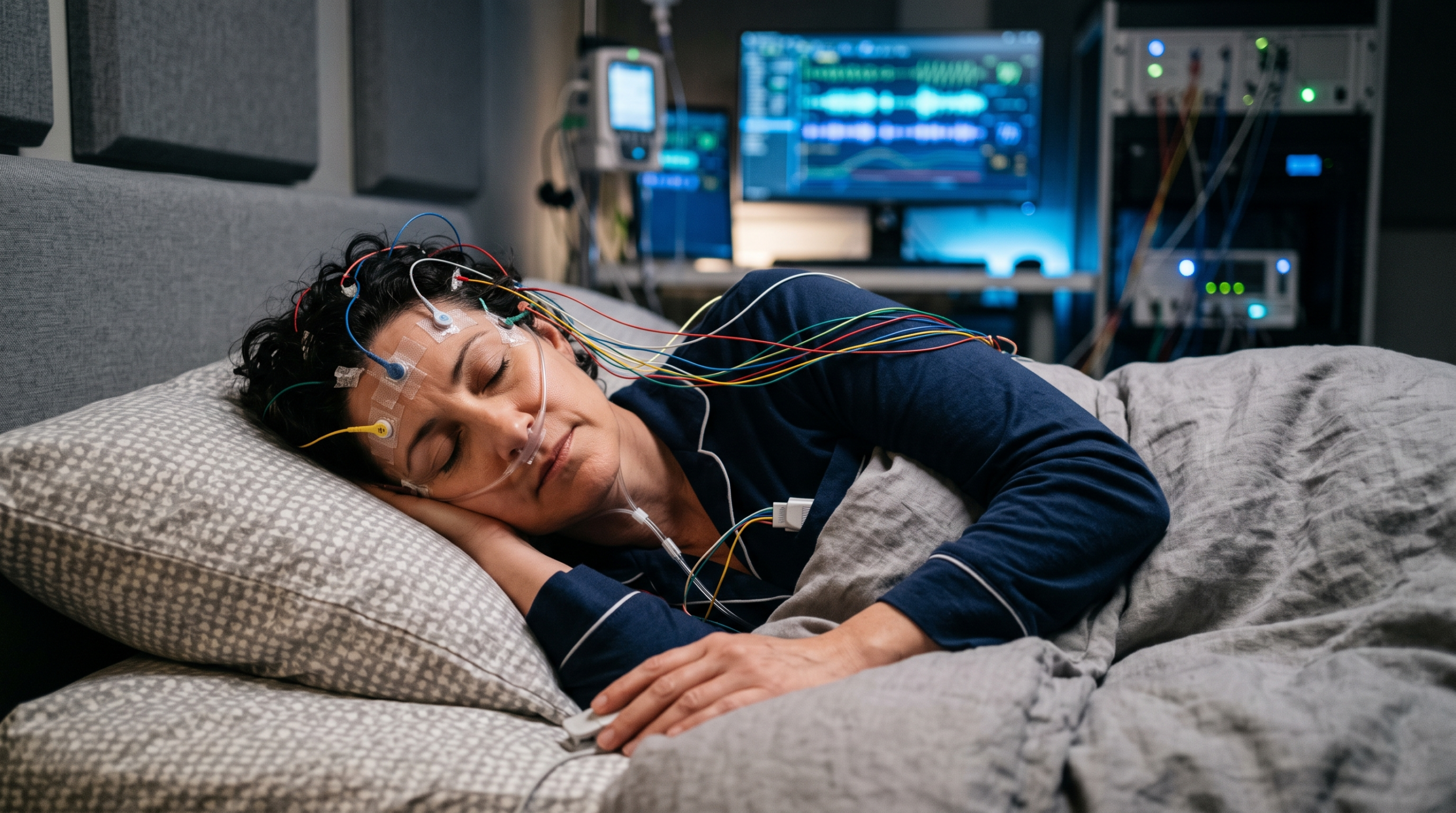
    When these signs are present, the way forward is an evaluation with an otolaryngologist (ENT), who examines the nose and throat (usually with flexible nasolaryngoscopy) to identify where the obstruction lies. The diagnosis is confirmed by polysomnography, the sleep study, which can be done in a lab or, in selected cases, at home.

    Polysomnography, the sleep study that confirms a diagnosis of apnea

    When is apnea severe?

    Severity is measured by the AHI, the apnea-hypopnea index, which counts the breathing pauses per hour of sleep: up to 5 is considered normal, 5 to 15 is mild apnea, 15 to 30 is moderate, and above 30 is severe.

    The number, however, is not everything. The drop in oxygen during events, the degree of daytime sleepiness, the person’s occupation (think of someone who drives or operates machinery), and the presence of conditions such as high blood pressure, diabetes, and arrhythmias also weigh on how and how urgently to treat.

    So, can sleep apnea be cured?

    Now for the full answer. Sleep apnea can be cured in specific situations, when there is a well-defined cause that can be corrected:

    • In children, the most common cause is enlargement of the tonsils and adenoid, and surgery resolves the large majority of cases.
    • In adults with mild apnea linked to excess weight, consistent weight loss can normalize the sleep study.
    • In selected cases, snoring and apnea surgery corrects the points of airway obstruction (nose, palate, pharyngeal walls, and base of tongue) and can bring the AHI down to normal levels. The result depends greatly on patient selection and the site of obstruction, which is why a detailed evaluation matters so much.

    In most moderate and severe cases, the term we use is not cure, but control. CPAP, for example, eliminates the breathing pauses while it is in use, with an excellent effect on symptoms and quality of life. It is similar to what happens with high blood pressure: treatment does not make the predisposition disappear, but it restores health and keeps complications away. And control done well, in practice, means sleeping and living like someone who does not have the disease.

    Be wary of any promise of a guaranteed cure for apnea. Serious medicine works with individual assessment, and the right treatment for one person may be wrong for another.

    What are the treatments for sleep apnea?

    The plan is always individual and, often, combines more than one front:

    • CPAP. A device that keeps the airway open with air pressure. It is the treatment of choice for severe apnea and very effective when well tolerated.
    • Oral appliance. It slightly advances the lower jaw and widens the space in the throat. Useful in mild to moderate cases and for those who do not adapt to CPAP.
    • Treating the nose. Correcting a deviated septum, enlarged turbinates, and rhinitis improves breathing, snoring, and adaptation to CPAP.
    • Speech therapy (myofunctional therapy). Exercises that strengthen the muscles of the tongue, palate, and pharynx.
    • Fotona laser. The NightLase protocol, a laser treatment with no cutting, tones the tissues of the throat in selected cases of snoring and mild to moderate apnea.
    • Surgery. From nasal procedures to pharyngoplasty and robotic base-of-tongue surgery (TORS), indicated according to the point of obstruction identified during the evaluation.
    • Weight management. A central piece in people with excess weight, with diet, physical activity, and, in selected cases, weight-loss injections, which reduced the severity of apnea in recent studies.

    Frequently asked questions

    Can someone with apnea have a heart attack?

    The risk is higher, yes. Untreated apnea overloads the heart night after night, favors high blood pressure and arrhythmias, and, in severe cases, long-term studies showed about three times more cardiovascular events in those who did not treat it. That is why apnea should be investigated and treated early, together with the other heart risk factors.

    Does apnea cause stroke?

    Sleep apnea is an independent risk factor for stroke. A classic study in the New England Journal of Medicine showed about twice the risk of stroke or death in people with obstructive apnea. The repeated drops in oxygen and the pressure spikes during the night explain much of that risk.

    What are the consequences of sleep apnea?

    Untreated, apnea is associated with high blood pressure, arrhythmias such as atrial fibrillation, heart attack, stroke, insulin resistance and diabetes, decline in memory and concentration, sleepiness with a risk of accidents, irritability, depression, and reduced libido. Most of these consequences improve or stop progressing once apnea is treated.

    What is a person with sleep apnea like?

    The typical picture is of someone who sleeps but does not rest: they wake up tired, have a morning headache, feel sleepy during the day, become irritable easily, and notice worse memory and concentration. At night, they snore loudly and have breathing pauses that tend to frighten whoever sleeps beside them. Many only realize how poorly they were living after they start treatment.

    What is the medication for sleep apnea?

    There is no drug that keeps the airway open during sleep. The recent development is weight-loss injections: in people with apnea linked to obesity, tirzepatide reduced the severity of apnea in a large study, through weight loss. They act on the cause in selected cases, with a medical prescription, and do not replace assessment of the airway or the other treatments.

    Can someone with sleep apnea take sleeping pills?

    With great caution, and never on your own. Several sleep aids and sedatives relax the throat muscles even more and can increase the number and duration of breathing pauses. If you snore or suspect apnea and sleep poorly, the way forward is to investigate and treat the apnea first. When a medication is necessary, it should be chosen by a physician who knows your sleep study.

    The first step is to investigate

    If you snore every night, wake up tired, or have caught a family member pausing their breathing, do not wait for the problem to charge a higher price. Sleep apnea has effective treatment for every degree, and a cure in specific situations. The sooner you find where the obstruction is, the greater the chances of a complete result.

    Dr. José Eduardo Marcondes is a PHYSICIAN and otolaryngologist (ENT) (CRM-SP 107.711 | RQE 43.840), working in nasal surgery and in the treatment of snoring and sleep apnea, seeing patients in Morumbi and Itaim (São Paulo) and in Alphaville (Barueri). If it makes sense for you, book a consultation so we can investigate your sleep and talk about the best path for your case.

    References

    1. Tufik S, Santos-Silva R, Taddei JA, Bittencourt LR. Obstructive sleep apnea syndrome in the São Paulo Epidemiologic Sleep Study. Sleep Medicine. 2010;11(5):441-446. doi:10.1016/j.sleep.2009.10.005.
    2. Marin JM, Carrizo SJ, Vicente E, Agusti AG. Long-term cardiovascular outcomes in men with obstructive sleep apnoea-hypopnoea with or without treatment with continuous positive airway pressure: an observational study. Lancet. 2005;365(9464):1046-1053. doi:10.1016/S0140-6736(05)71141-7.
    3. Yaggi HK, Concato J, Kernan WN, Lichtman JH, Brass LM, Mohsenin V. Obstructive sleep apnea as a risk factor for stroke and death. New England Journal of Medicine. 2005;353(19):2034-2041. doi:10.1056/NEJMoa043104.
    4. Malhotra A, Grunstein RR, Fietze I, et al. Tirzepatide for the treatment of obstructive sleep apnea and obesity (SURMOUNT-OSA). New England Journal of Medicine. 2024;391(13):1193-1205. doi:10.1056/NEJMoa2404881.
    5. McEvoy RD, Antic NA, Heeley E, et al. CPAP for prevention of cardiovascular events in obstructive sleep apnea (SAVE). New England Journal of Medicine. 2016;375(10):919-931. doi:10.1056/NEJMoa1606599.

    This content is informational, does not replace a medical consultation, and does not supersede the plan of care defined by your own physician.

    About the author

    Dr. José Eduardo Marcondes

    Physician, Otolaryngologist (ENT) · CRM-SP 107.711 · RQE 43.840

    Trained and completed his residency at Escola Paulista de Medicina (UNIFESP), with more than two decades of experience. Focused on the treatment of snoring and sleep apnea, nasal obstruction, chronic sinusitis, adenoids and tonsils, in adults and children. Member of ABORL-CCF and of the medical staff at Hospital Israelita Albert Einstein, Vila Nova Star and São Luiz.

    Learn about his full career → · Schedule an appointment on WhatsApp


  • Sleep apnea and obesity: the vicious cycle between weight and sleep (and the role of weight-loss injections)

    Sleep apnea and obesity: the vicious cycle between weight and sleep (and the role of weight-loss injections)

    Sleep apnea and excess weight often go hand in hand, and this is no coincidence. The two conditions feed each other: extra weight favors apnea, and apnea, in turn, makes losing weight harder. It is a true vicious cycle, and understanding it helps explain why treating only one side often fails to solve the problem.

    In this article on sleep apnea and obesity, the goal is educational: to show how obesity worsens apnea, how apnea worsens obesity, and why breaking this cycle requires looking at both problems at the same time. At the end, we discuss the available treatments and why the so-called weight-loss injections (GLP-1 medications) have become an important tool against both diseases.

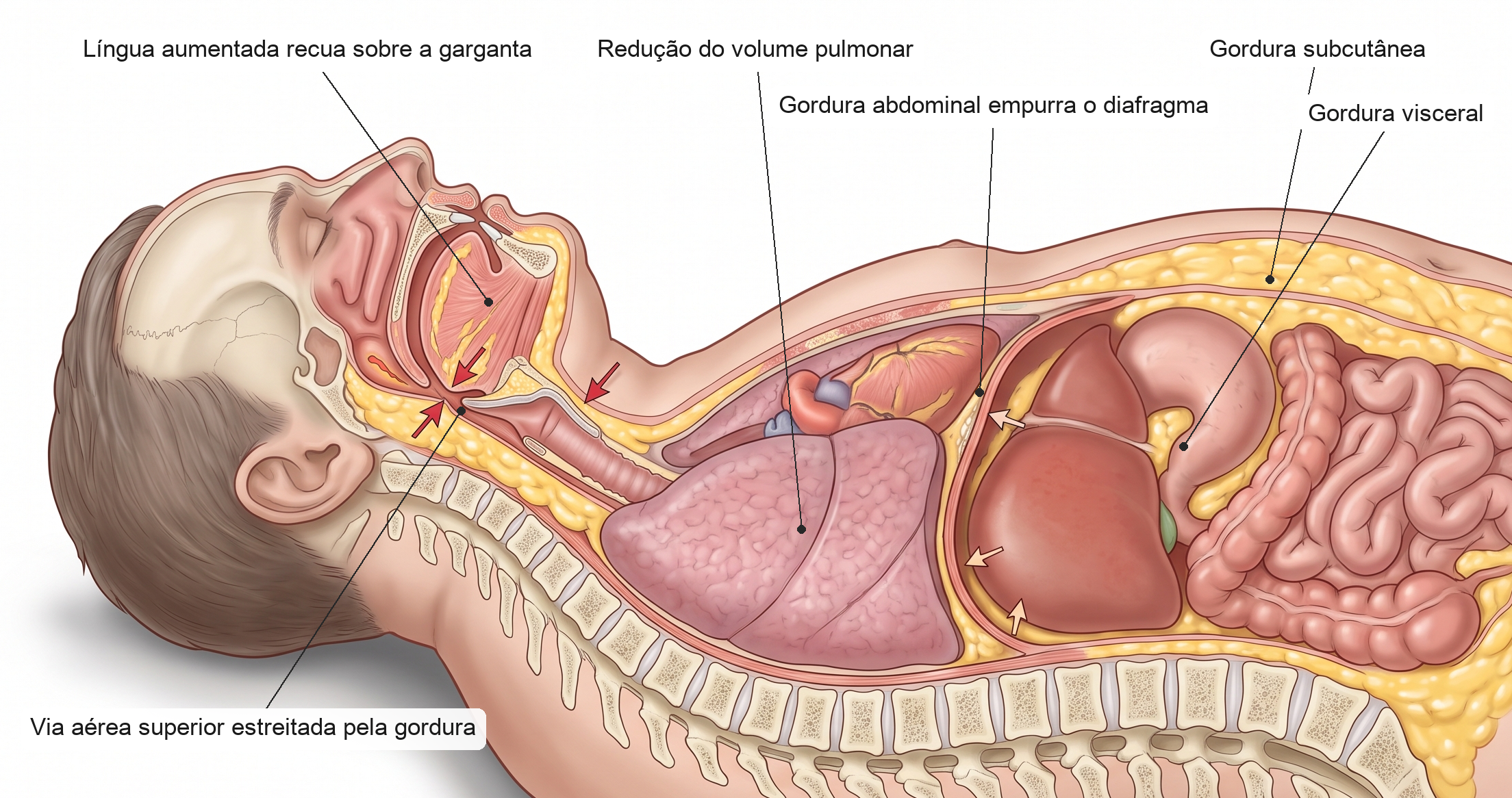
    Cutaway illustration of an obese man lying down showing how fat in the neck, tongue and abdomen narrows the airway and compresses the lungs in sleep apnea

    What obstructive sleep apnea is

    During sleep, the muscles of the throat relax. In people with a narrower airway or more lax tissues, this relaxation can temporarily close off the passage of air, interrupting breathing for a few seconds, several times a night. Each pause prompts the brain to react with a micro-arousal in order to resume breathing. Sleep becomes fragmented, the body does not truly rest, and blood oxygen levels swing throughout the night.

    This is obstructive sleep apnea. Among the factors that favor its onset, excess weight is one of the most important, and also one of the most reversible.

    Focus 1: how obesity worsens apnea

    Excess weight works against nighttime breathing through several pathways at once.

    • Fat around the throat. Fat that builds up in the neck and along the walls of the pharynx narrows the space through which air passes. A tighter airway collapses more easily when the muscles relax during sleep.
    • Fat at the base of the tongue. MRI studies show that people with obesity tend to accumulate fat in the tongue itself, which becomes larger and heavier and falls back over the throat when lying down.
    • Abdominal fat. Belly fat pushes the diaphragm upward and reduces the volume of air the lungs can hold, especially when lying down. Less inflated lungs “pull” less on the airway from within, leaving it more prone to closing.
    • Inflammation and fluid retention. Excess fat tissue keeps the body in a state of low-grade inflammation and promotes fluid buildup, which at night can shift to the neck and worsen the obstruction.

    It is no coincidence that the relationship between weight and apnea is well documented. A landmark population study showed that a change of about 10% in body weight is associated with substantial changes in the severity of apnea: gaining weight worsens it, and losing weight improves the number of breathing pauses per hour of sleep.

    Focus 2: how apnea worsens obesity

    What many people do not realize is that this is a two-way street. Untreated apnea also pushes the body toward weight gain and makes losing weight harder.

    • Fragmented sleep disrupts hunger. Sleep deprivation and fragmentation alter two hormones that control appetite: they raise ghrelin (which drives hunger) and lower leptin (which signals fullness). The result is more hunger, more craving for calorie-dense foods, and more difficulty stopping eating.
    • Insulin resistance. Poor nights of sleep and repeated drops in oxygen worsen the way the body handles sugar, promoting insulin resistance, fat accumulation, and the risk of type 2 diabetes.
    • Fatigue that reduces energy expenditure. People who sleep poorly wake up exhausted, with less drive to exercise and move throughout the day. Less activity means fewer calories burned.
    • Hormonal stress. Poor sleep and oxygen swings activate the stress system and raise cortisol, a hormone that also promotes fat accumulation, mainly in the abdominal area.

    In other words, apnea creates exactly the hormonal and behavioral environment that makes gaining weight easier.

    The vicious cycle

    Put the two sides together and the problem becomes clear. Excess weight narrows and overloads the airway, which causes or worsens apnea. Apnea fragments sleep, disrupts hunger hormones, increases insulin resistance, and drains the energy needed to exercise, which further promotes weight gain. More weight, more apnea. More apnea, more weight.

    This is why many people feel “stuck”: they diet, but poor sleep sabotages the effort; or they treat only the sleep, but their weight keeps the airway compromised. Breaking this cycle usually requires acting on both fronts at once, and this is where modern treatment has made considerable progress.

    How apnea is treated today

    There is no single treatment that works for everyone. The approach depends on the severity of the apnea, the anatomy of the airway, and each person’s associated factors. The main options are:

    • CPAP. The device that keeps the airway open with a flow of air throughout the night. It remains the treatment of choice for severe apnea.
    • Treating the nose. Correcting obstructions such as a deviated nasal septum, enlarged turbinates, or rhinitis improves breathing and adaptation to other treatments.
    • Oral appliance. A device that slightly advances the lower jaw and widens the space in the throat, useful in mild to moderate cases.
    • Fotona laser. The NightLase protocol, a laser treatment with no cutting, can tone the tissues of the throat in selected cases of snoring and mild to moderate apnea.
    • Surgery. Indicated in specific situations, according to the point of obstruction identified during the evaluation.
    • Weight management. As we have seen, it is a central piece. Losing weight reduces the severity of apnea and, in some cases, can even resolve mild forms.

    Weight, in fact, has always been on this list, but for a long time it was also the hardest part to treat. It was precisely here that an important development emerged.

    Weight-loss injections: one weapon against both conditions

    These weight-loss injections are medications from the class of GLP-1 receptor agonists (such as semaglutide) and, more recently, dual GLP-1/GIP receptor agonists (such as tirzepatide). They act on the brain and the digestive system by increasing satiety and reducing hunger, which leads to significant and sustained weight loss.

    The interesting point for people with apnea is that these medications target the very root of the vicious cycle: excess weight. And there is direct evidence of this. In 2024, a large clinical trial called SURMOUNT-OSA, published in the New England Journal of Medicine, evaluated tirzepatide in adults with obesity and moderate-to-severe obstructive sleep apnea. The result was a significant reduction in the number of breathing pauses per hour of sleep (the apnea-hypopnea index, or AHI, which measures the severity of apnea), along with weight loss, both in those using CPAP and in those who were not.

    In practice, this means that treating weight with these medications may improve the apnea itself, while also reducing risks linked to obesity, such as diabetes and cardiovascular disease. A single line of treatment acting on both conditions at once.

    Two important caveats, however. First, these injections are not a miracle and do not, on their own, replace the other treatments: in many cases they are added to CPAP and the other measures rather than eliminating them. Second, they are medications with their own indications, contraindications, and side effects, whose prescription and follow-up are the responsibility of the physician in charge of weight treatment, usually the endocrinologist or an obesity medicine physician.

    The best path is team-based care. The otolaryngologist (ENT) evaluates and treats the airway and the apnea; the obesity specialist manages weight loss, with or without medication; and the two work together to break the vicious cycle. Each piece in its place, with a shared goal: to give the patient real sleep and more balanced health.

    Frequently asked questions

    Does losing weight cure sleep apnea?

    It depends on the case. Weight loss reduces the severity of apnea in almost everyone and, in mild cases linked to excess weight, it may even resolve it. In moderate-to-severe apnea, it usually helps considerably, but often needs to be combined with other treatments, such as CPAP.

    Do only people with obesity have apnea?

    No. Excess weight is one of the main risk factors, but lean people can also have apnea, due to features of the anatomy of the face and throat, nasal obstruction, or hormonal factors. That is why diagnosis depends on assessment, and not on weight alone.

    Does sleep apnea cause weight gain?

    It can contribute, yes. By fragmenting sleep, apnea disrupts appetite hormones (increasing hunger and reducing satiety), worsens insulin resistance, and causes fatigue that lowers the drive to exercise. Together, these factors promote weight gain and help explain why treating apnea often makes weight management easier.

    Why do I sleep poorly and still gain weight?

    The fragmented sleep of apnea disrupts appetite hormones: it increases hunger, reduces satiety, and worsens how the body handles sugar. Combined with the fatigue that lowers the drive to exercise, this promotes weight gain even when you are making an effort to lose weight.

    Do weight-loss injections treat apnea?

    Indirectly, yes. By promoting weight loss, medications such as tirzepatide reduced the severity of apnea in recent studies. They act on the cause (excess weight), but they do not replace assessment of the airway nor, in many cases, CPAP. The indication is always individual and made by a physician.

    Who prescribes weight-loss injections?

    Prescription and follow-up are the responsibility of the physician in charge of weight treatment, usually the endocrinologist or an obesity medicine physician. The otolaryngologist (ENT) takes care of the airway and the apnea. The ideal is teamwork, with the specialists complementing one another.

    How do I know if I have apnea?

    Warning signs include loud snoring, breathing pauses noticed by a bed partner, unrefreshing sleep, fatigue, and daytime sleepiness. Diagnosis begins with a clinical and airway assessment and is usually confirmed by polysomnography, the sleep study.

    It’s worth talking about your case

    If you live with snoring, unrefreshing sleep, daytime fatigue, or difficulty losing weight, there may be sleep apnea behind it, feeding this cycle. The good news is that the cycle can be broken, and the sooner the origin of the problem is understood, the better the results.

    Dr. José Eduardo Marcondes is a physician and otolaryngologist (ENT) (CRM-SP 107.711 | RQE 43.840), focusing on nasal surgery and the treatment of snoring and sleep apnea, seeing patients in Morumbi and Itaim (São Paulo) and in Alphaville (Barueri). If it makes sense for you, book a consultation so we can talk about your case, ideally as part of integrated care alongside weight management.

    References

    1. Peppard PE, Young T, Palta M, Dempsey J, Skatrud J. Longitudinal study of moderate weight change and sleep-disordered breathing. JAMA. 2000;284(23):3015-3021. doi:10.1001/jama.284.23.3015.
    2. Malhotra A, Grunstein RR, Fietze I, et al. Tirzepatide for the treatment of obstructive sleep apnea and obesity (SURMOUNT-OSA). New England Journal of Medicine. 2024;391(13):1193-1205. doi:10.1056/NEJMoa2404881.
    3. Spiegel K, Tasali E, Penev P, Van Cauter E. Sleep curtailment in healthy young men is associated with decreased leptin levels, elevated ghrelin levels, and increased hunger and appetite. Annals of Internal Medicine. 2004;141(11):846-850. doi:10.7326/0003-4819-141-11-200412070-00008.
    4. Schwartz AR, Patil SP, Laffan AM, Polotsky V, Schneider H, Smith PL. Obesity and obstructive sleep apnea: pathogenic mechanisms and therapeutic approaches. Proceedings of the American Thoracic Society. 2008;5(2):185-192. doi:10.1513/pats.200708-137MG.

    This content is informational, does not replace a medical consultation, and does not supersede the plan of care defined by your own physician.

    About the author

    Dr. José Eduardo Marcondes

    Physician, Otolaryngologist (ENT) · CRM-SP 107.711 · RQE 43.840

    Trained and completed his residency at Escola Paulista de Medicina (UNIFESP), with more than two decades of experience. Focused on the treatment of snoring and sleep apnea, nasal obstruction, chronic sinusitis, adenoids and tonsils, in adults and children. Member of ABORL-CCF and of the medical staff at Hospital Israelita Albert Einstein, Vila Nova Star and São Luiz.

    Learn about his full career → · Schedule an appointment on WhatsApp


  • Laser in ENT: how the holmium, blue laser, and Fotona work

    Laser in ENT: how the holmium, blue laser, and Fotona work

    In recent years, the laser has gone from a distant promise to a part of the daily routine of otolaryngology (ENT). But there is a common misconception: people talk about “the laser” as if it were a single thing, when in fact there are several types, each behaving differently within the tissue. A laser used to reduce turbinates is not the same as the one used to treat snoring, and neither is the same as the one that cuts and coagulates soft tissue.

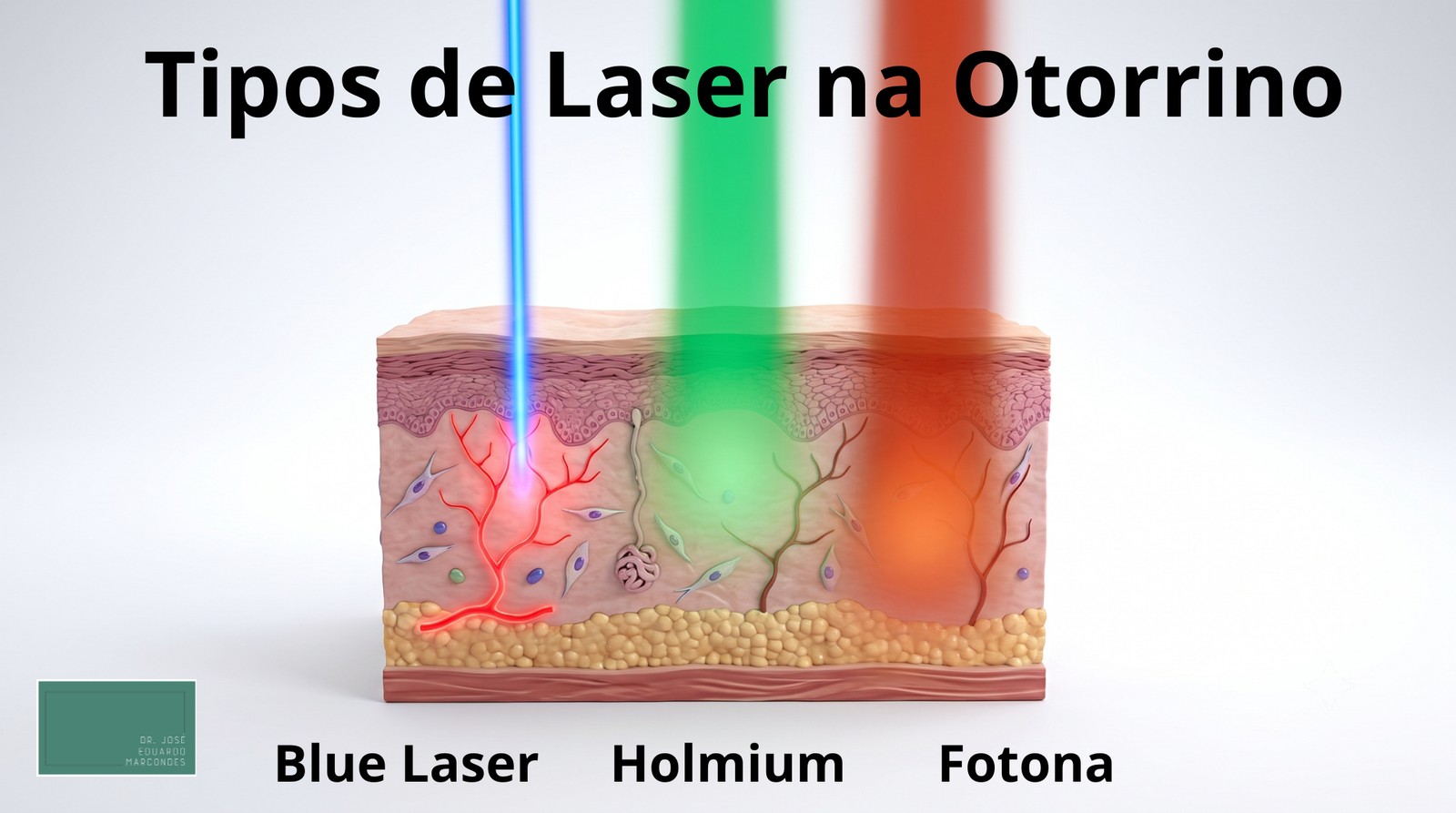
    In this article, the goal is to explain, in accessible terms, how a laser acts on the body and to present three examples used in ENT: the holmium laser in turbinoplasty, the blue laser in diseases of the larynx and vocal folds, and the Fotona laser in the treatment of snoring and obstructive sleep apnea. The idea is not to say which one is “best,” but to show that each has its own target and purpose.

    How a laser acts on tissue: the idea of a target

    A laser is, essentially, light of a single wavelength, a single, highly concentrated “color,” even when that light is invisible to our eyes. What makes a laser useful in medicine is the following principle: each wavelength is preferentially absorbed by a different component of the tissue. That light-absorbing component is called a chromophore, and it works as the laser’s “target.”

    In practice, two targets matter a great deal in ENT:

    • Water, present in almost all soft tissue, absorbs infrared light very well. It is the target of the holmium and erbium lasers.
    • Hemoglobin (in blood) and melanin absorb light in the blue and green range. This is what allows the blue laser to act on blood vessels, a property called photoangiolytic.

    When the light is absorbed, it turns into localized heat. And depending on the power, the pulse duration, and the mode of application, this heat can produce quite distinct effects:

    • Ablation: vaporizing or cutting the tissue.
    • Coagulation: sealing small vessels and reducing bleeding.
    • Non-ablative thermal effect: simply heating in a controlled way, without cutting or removing tissue, which stimulates collagen.

    Add to this the depth that each wavelength reaches: some act more on the surface, others penetrate a little more, and it becomes easier to understand why each laser is chosen for a specific task. This reasoning guides the three examples that follow.

    Holmium laser (Ho:YAG) in turbinoplasty

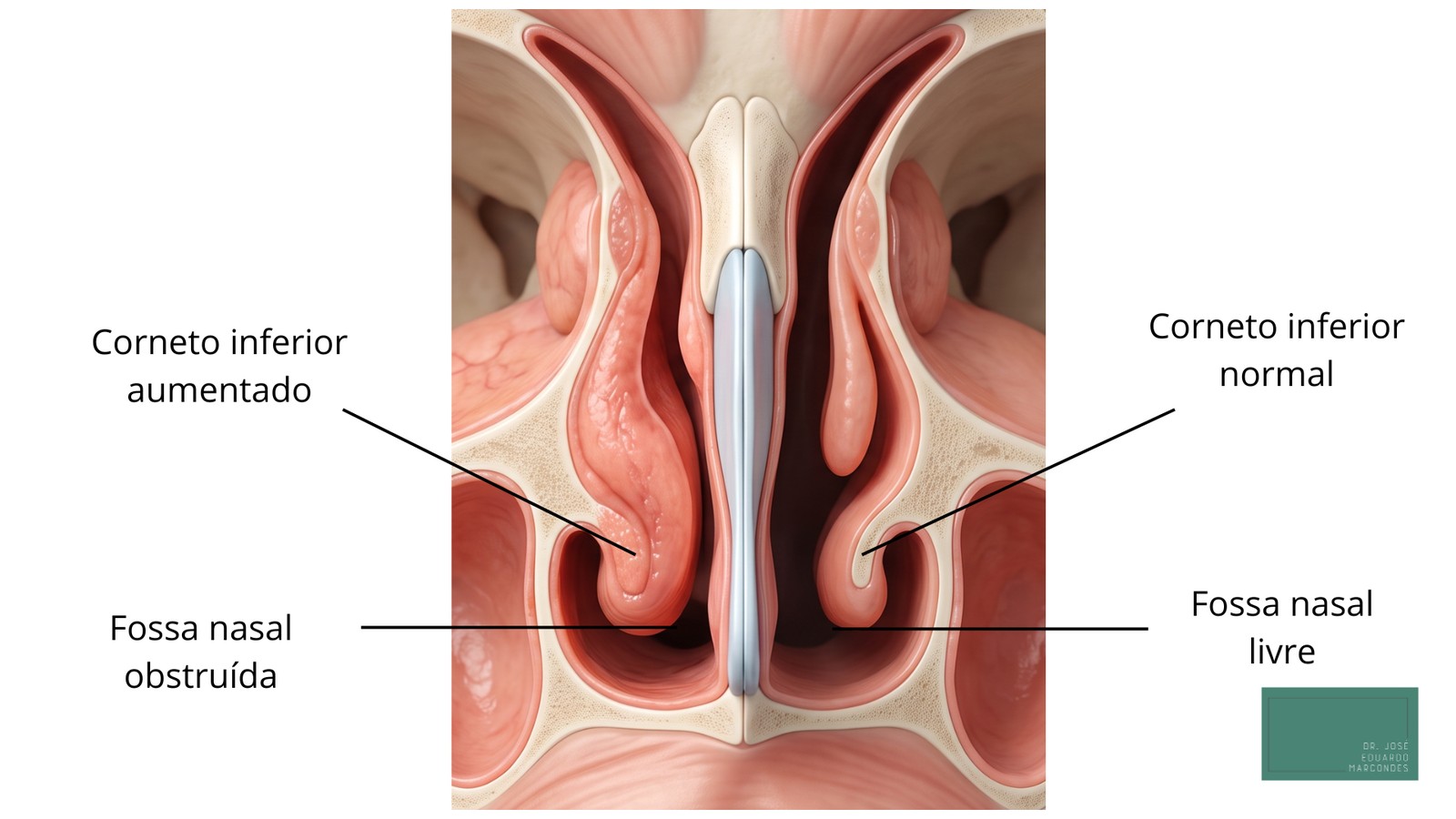
    Cross-section of the nose showing the turbinates, target of laser turbinoplasty

    The nasal turbinates are structures inside the nose that warm, humidify, and filter the air we breathe. The problem arises when they swell chronically, something common in rhinitis and allergy, and begin to obstruct the airflow. The result is that feeling of a stuffy nose that does not improve, disrupts sleep, and does not respond to medication alone.

    Turbinoplasty is the procedure that reduces the volume of the turbinate to unblock the nose, while taking care to preserve its function. This is where the holmium laser comes in (technical abbreviation Ho:YAG, with a wavelength of around 2,100 nm).

    How it works. The holmium is a pulsed laser, absorbed by the water in the tissue, with relatively shallow penetration and good coagulating ability. Applied to the enlarged turbinate, it reduces the tissue responsible for the swelling and, at the same time, coagulates the small vessels, which decreases bleeding during the procedure. Because it acts in a localized way, it seeks to preserve the lining mucosa and the nose’s humidifying function.

    An interesting detail: since the holmium’s light is infrared and invisible, the device also projects a green aiming beam so the surgeon can see exactly where it will act. That is why, in surgical images, this laser appears green.

    Advantages in this context. Two features stand out. The first is good hemostasis: by coagulating while it reduces the tissue, the procedure tends to involve little bleeding. The second is the durability of the results. In a long-term comparative study, subjective improvement in nasal breathing was reported by about 67.5% of patients treated with holmium and 74.4% of those treated with the diode laser, with objective improvement in airflow at both 6 months and 3 years. [1]

    A striking point is that reducing the turbinate does not improve only the stuffy nose. By decreasing the volume of the mucosa that reacts to allergens and of the glands that produce secretion, the procedure tends to also reduce sneezing, runny nose, and itching, that is, the set of symptoms of allergic rhinitis flare-ups. A Japanese group followed patients for up to five years after laser turbinate surgery and observed sustained improvement in sneezing, runny nose, and obstruction, with a large proportion of them remaining off medication. [2] And a 2023 systematic review with meta-analysis, gathering 18 studies and more than 1,400 patients, confirmed that turbinate reduction significantly improves obstruction, runny nose, sneezing, and nasal itching, with the benefit maintained for more than a year. [3]

    Despite this reduction of the turbinate and the improvement in obstruction and allergic symptoms, the allergy does not cease to exist. If the rhinitis is not controlled, the turbinate may swell again over time. For this reason, turbinoplasty is usually part of a plan, and long-term follow-up is important.

    Blue laser (445 nm) in diseases of the larynx and vocal folds

    Endoscopic view of the larynx and vocal folds, target of the blue laser

    The larynx houses the vocal folds, delicate structures in constant motion that are responsible for producing the voice. Any lesion there, however small, can alter the voice and requires precise treatment, able to resolve the problem without harming the thin, layered tissue of the vocal fold. It is in this demanding setting that the blue laser (blue light, at 445 nm) has found a prominent role.

    Why the target matters here. The blue laser’s main target is hemoglobin, so it acts preferentially on blood vessels. It happens that many vocal fold lesions are either vascular or fed by abnormal vessels. As it is absorbed by hemoglobin, the laser selectively coagulates these microvessels, treating the lesion with little bleeding and seeking to spare the vocal ligament and the deeper layers, which helps preserve the voice. This ability to act on vessels is what is called the photoangiolytic effect.

    What can be treated. In the larynx, the blue laser has been used for a variety of lesions, among them [4][5]:

    • vascular lesions of the vocal folds, such as varices, ectasias, and hemorrhagic polyps;
    • Reinke’s edema;
    • laryngeal papillomatosis (HPV-related lesions, which tend to recur);
    • leukoplakia and early dysplastic lesions;
    • granulomas.

    Advantages in this context. Beyond coagulating, the blue laser also cuts, something the classic photoangiolytic lasers, such as the KTP, do not do. In laryngeal surgery, this combination has been described as bringing together, in a single device, the ability to cut and to treat the vessels. [4] Because it is delivered through a very thin fiber, it allows a precise and minimally invasive approach to vocal fold lesions, and the selective coagulation of the vessels improves visibility during the procedure. In practice, the blue laser has already been applied to different vocal lesions, such as polyps, Reinke’s edema, papilloma, and leukoplakia. [5] Because it is repeatable, it is also a useful option when the lesion tends to recur, as happens in papillomatosis.

    The same caveat as in the other examples applies: the choice of laser and approach depends on the type of lesion, and the correct diagnosis always comes before the technology.

    Fotona laser (Er:YAG) in snoring and sleep apnea

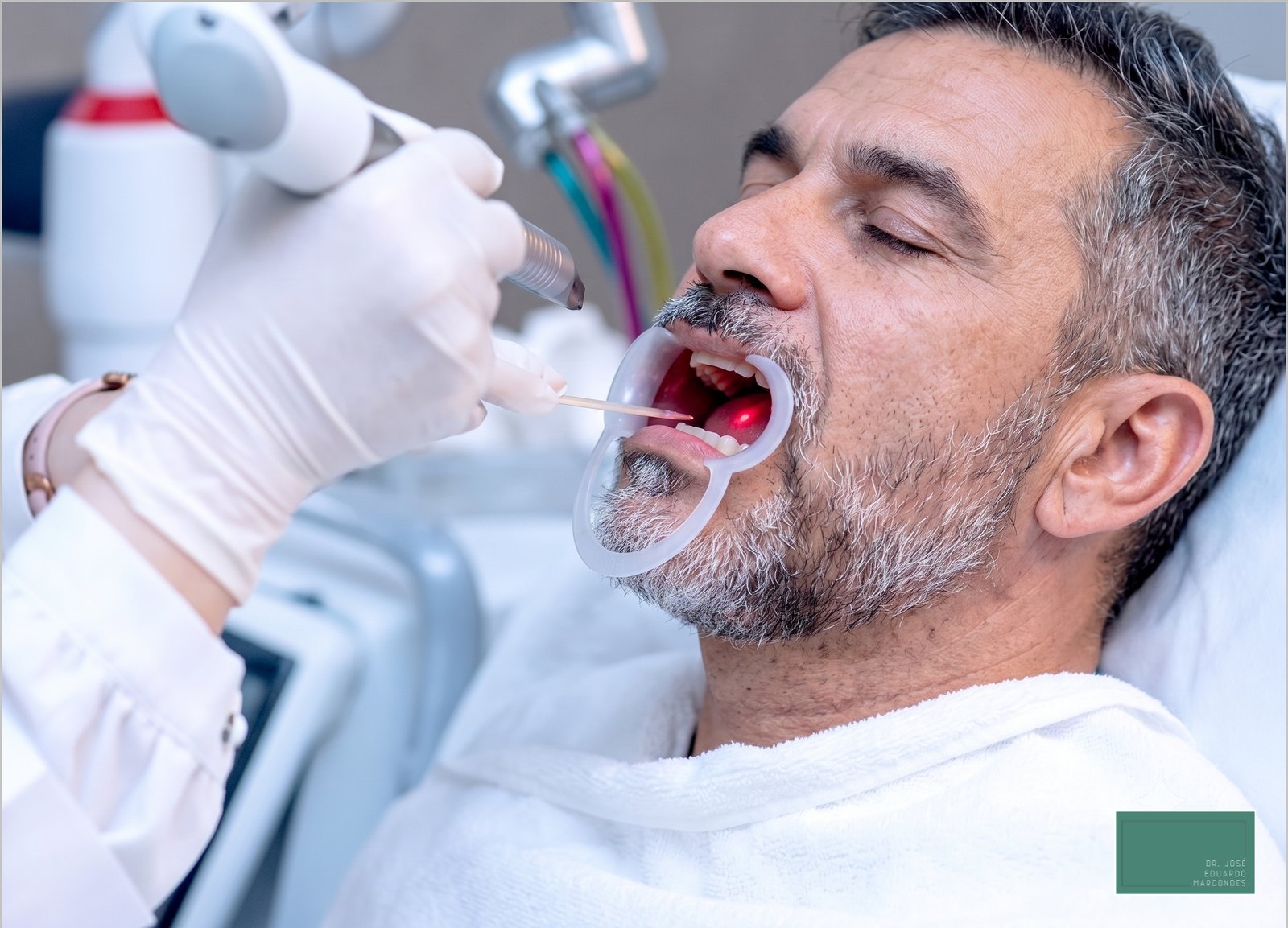
    Laser applied to the throat in an ENT office

    The third example again changes the objective. In the treatment of snoring and obstructive sleep apnea, the problem often lies in the laxity of the throat tissues, the soft palate, the uvula, and the walls of the pharynx, which vibrate (snoring) and, in some people, collapse and obstruct the airflow (apnea). The goal, in this case, is not to cut or remove tissue, but to tone it.

    How it works. The Fotona laser, in the NightLase protocol, uses an erbium laser (Er:YAG, at 2,940 nm), in a mode called SMOOTH, with a non-ablative application. It heats the throat tissues in a controlled way, without cutting and without anesthesia. This heat causes the existing collagen fibers to contract and stimulates the production of new collagen over the following weeks. The tissue tends to become gradually firmer, with less tendency to vibrate and collapse during sleep.

    Advantages and limits. It is an office-based procedure, painless, without cuts, and with no recovery time. A 2025 systematic review with meta-analysis concluded that the erbium laser is a safe and effective option in the short and medium term for selected patients with snoring or mild to moderate apnea, with benefits that usually last 1 to 2 years. [6] A randomized controlled trial, with a placebo group, also showed a significant reduction in snoring with the NightLase protocol, well tolerated. [7] A 4-year follow-up reinforced this profile over time. [8]

    The Fotona laser works best in primary snoring and in mild to moderate apnea, and it does not replace CPAP in moderate to severe cases. The improvement, moreover, is usually clearer in the symptoms reported by the patient and normally requires booster sessions over time.

    The three lasers side by side

    The table below summarizes why each laser goes to a different task. Note that the logic is always the same: the wavelength defines the target, and the target defines the application.

    Laser Wavelength Main target Predominant action Highlighted application
    Blue laser 445 nm hemoglobin and melanin cuts and coagulates (photoangiolytic) diseases of the larynx and vocal folds
    Holmium (Ho:YAG) 2,100 nm water coagulates and reduces volume turbinoplasty (turbinate reduction)
    Erbium (Er:YAG, Fotona) 2,940 nm water heats without cutting (non-ablative) snoring and apnea (palate and pharynx)

    Note that holmium and erbium have the same target (water) but produce quite different effects because of the wavelength, the pulse shape, and the mode of application. This shows that knowing the target is not enough: the “how” also counts.

    Is the laser always the best option?

    A laser is a tool, not a diagnosis. It can be a good choice in many situations, but the decision always depends on the cause of the problem. A few examples help to understand:

    • If the nose is blocked because of a deviated septum, reducing only the turbinate with a laser may not solve it, because the main obstruction is in the bony and cartilaginous structure.
    • If sleep apnea is severe, the treatment of choice remains CPAP or, in selected cases, surgery, not the laser.
    • In several procedures, there are non-laser alternatives (such as radiofrequency and conventional surgical techniques), with good results.

    For this reason, the right question is not “which is the best laser?” but “which is the best treatment for my case?” The answer comes from an evaluation that understands the origin of the symptom before choosing the technology.

    Frequently asked questions

    Is there a “best laser” for ENT?

    No. Each laser has a target and a purpose. The one used to reduce turbinates is not the same as the one used to tone the throat for snoring, nor the most suitable for cutting soft tissue with bleeding control. The best laser is the one most appropriate to the objective of each case.

    Does every laser treatment hurt or require anesthesia?

    It depends on the procedure and the type of laser. The application of the Fotona laser for snoring, for example, is painless and does not require anesthesia, whereas procedures that reduce or remove tissue, such as turbinoplasty and laryngeal surgeries, require appropriate anesthesia, defined case by case at the evaluation.

    Does the laser always cut or remove tissue?

    No. Some lasers cut or reduce tissue (like the holmium and the blue laser), and others simply heat in a controlled way, without cutting (like the Fotona in non-ablative mode). They serve different purposes.

    Does the laser used on the vocal fold harm the voice?

    The goal is precisely the opposite: to treat the lesion while preserving as much of the healthy vocal fold tissue as possible. By acting selectively on the vessels, the blue laser seeks to spare the layers responsible for vibration and voice. Even so, every laryngeal procedure requires careful evaluation and technique, and voice recovery is monitored case by case.

    Does the turbinate laser cure rhinitis?

    No. Turbinoplasty reduces the obstruction caused by the enlarged turbinate, but the underlying rhinitis needs its own treatment. Without controlling the cause, the turbinate may swell again over time.

    Does the Fotona laser replace CPAP?

    Not always. In mild to moderate apnea, it can be an alternative or a complement. In moderate to severe apnea, CPAP or surgery remain the treatment of choice. The decision depends on the sleep study and on the individual evaluation.

    Can anyone undergo a laser treatment?

    The indication is always individual and defined after medical evaluation. There are situations that contraindicate each procedure, and the laser is not always the main path.

    In summary

    The laser is not a single technology, but a family of tools that differ by wavelength and by their target in the tissue. Holmium reduces turbinates with good hemostasis, the blue laser treats lesions of the larynx and vocal folds by coagulating the vessels while seeking to preserve the voice, and the Fotona laser tones the throat to help with snoring and mild to moderate apnea. Knowing these differences helps the patient understand the options, but the choice of the best approach always depends on the diagnosis.

    If you have questions about nasal obstruction, snoring, sleep apnea, or about which treatment makes sense for your case, the path is an evaluation that identifies the cause before deciding on the technology.

    Dr. José Eduardo Marcondes is a physician and otolaryngologist (ENT) (CRM-SP 107.711 | RQE 43.840), working in nasal surgery and in the treatment of snoring and sleep apnea, seeing patients in Morumbi and Itaim (São Paulo) and in Alphaville (Barueri).

    This content is informational, does not replace a medical consultation, and does not supersede the plan of care defined by your own physician. References to studies are presented factually and do not constitute a promise of results.

    References

    Sroka R, Janda P, Killian T, Vaz F, Betz CS, Leunig A. Comparison of long term results after Ho:YAG and diode laser treatment of hyperplastic inferior nasal turbinates. Lasers in Surgery and Medicine. 2007;39(4):324-331. doi:10.1002/lsm.20479.

    Takeno S, Nakashimo Y, Ishino T, Miyahara N, Goh K, Noda N, Hirakawa K. Long-Term Results after Carbon Dioxide Laser Surgery of the Inferior Turbinate for Perennial Allergic Rhinitis. Nihon Bika Gakkai Kaishi (Japanese Journal of Rhinology). 2011;50(1):7-12. doi:10.7248/jjrhi.50.7.

    Park SC, Kim DH, Jun YJ, Kim SW, Yang HJ, Yang SI, Kim HJ, Kim DK. Long-term Outcomes of Turbinate Surgery in Patients With Allergic Rhinitis: A Systematic Review and Meta-analysis. JAMA Otolaryngology-Head and Neck Surgery. 2023;149(1):15-23. doi:10.1001/jamaoto.2022.3567.

    Hess MM, Fleischer S, Ernstberger M. New 445 nm blue laser for laryngeal surgery combines photoangiolytic and cutting properties. European Archives of Oto-Rhino-Laryngology. 2018;275(6):1557-1567. doi:10.1007/s00405-018-4974-8.

    Hamdan AL, Ghanem A. Un-sedated Office-Based Application of Blue Laser in Vocal Fold Lesions. Journal of Voice. 2023;37(5):785-789. doi:10.1016/j.jvoice.2021.03.031.

    Dembicka-Maczka D, et al. Effectiveness of the Er:YAG Laser in Snoring Treatment Based on Systematic Review and Meta-Analysis Results. Journal of Clinical Medicine. 2025;14(12):4371. doi:10.3390/jcm14124371.

    Picavet VA, et al. Treatment of snoring using a non-invasive Er:YAG laser with SMOOTH mode (NightLase): a randomized controlled trial. European Archives of Oto-Rhino-Laryngology. 2022;280(1):307-312. doi:10.1007/s00405-022-07539-9.

    Frelich H, et al. Erbium:Yttrium Aluminum Garnet (Er:YAG) Laser: A Minimally Invasive Treatment Method in Selected Patients with Impaired Breathing During Sleep. Photobiomodulation, Photomedicine, and Laser Surgery. 2023;41(8):415-421. doi:10.1089/photob.2022.0144.

    About the author

    Dr. José Eduardo Marcondes

    Physician, Otolaryngologist (ENT) · CRM-SP 107.711 · RQE 43.840

    Trained and completed his residency at Escola Paulista de Medicina (UNIFESP), with more than two decades of experience. Focused on the treatment of snoring and sleep apnea, nasal obstruction, chronic sinusitis, adenoids and tonsils, in adults and children. Member of ABORL-CCF and of the medical staff at Hospital Israelita Albert Einstein, Vila Nova Star and São Luiz.

    Learn about his full career → · Schedule an appointment on WhatsApp


  • Sleep apnea in men and women: why the same condition shows up so differently

    Sleep apnea in men and women: why the same condition shows up so differently

    Obstructive sleep apnea (OSA) is usually pictured as a problem of the “man who snores loudly.” That image holds some truth, but it tells only half the story. Apnea also affects women, and it often goes unnoticed precisely because it shows up differently from what people expect. Understanding these differences helps both those who share a bed with a snorer and those who feel tired and sleep poorly without knowing why.

    This article about sleep apnea in men and women is educational: it shows how the condition behaves in each sex, why it is underdiagnosed in women, and what changes (and what does not) when it comes to investigating and treating it.

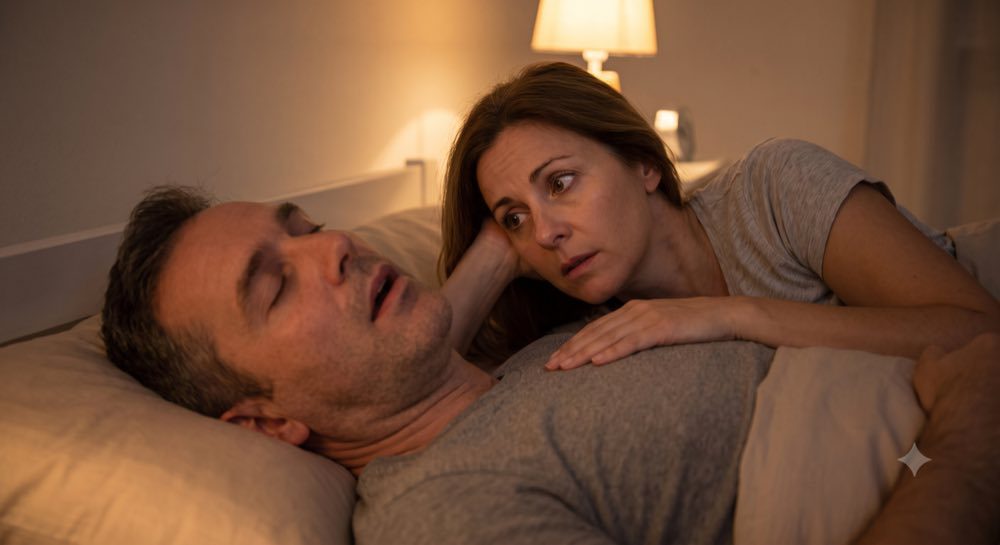
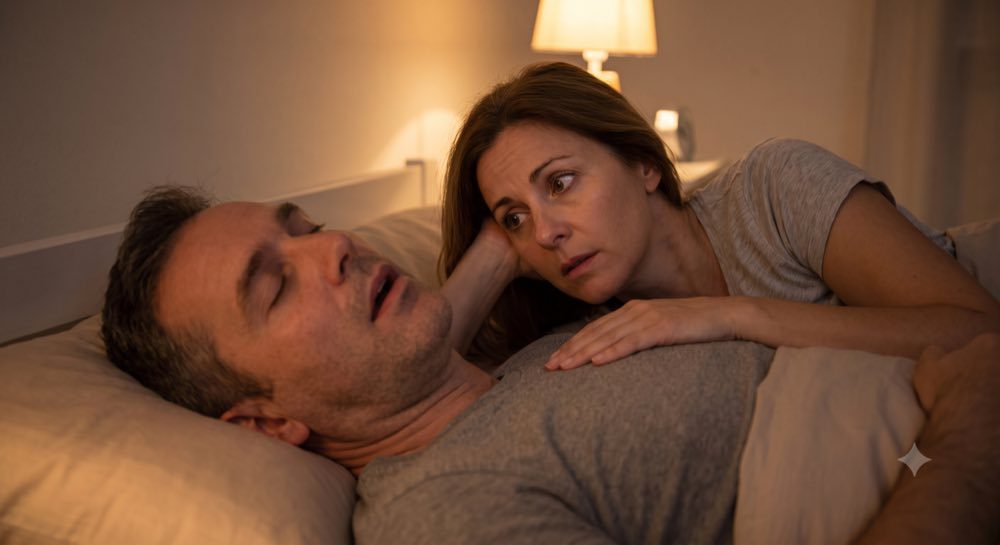
    Sleep apnea in men and women: a man snoring while asleep and his partner awake watching his breathing

    What obstructive sleep apnea is

    During sleep, the muscles of the throat relax. In people with a narrower airway or more lax tissues, this relaxation can briefly close off the passage of air, interrupting breathing for a few seconds, several times a night. Each pause makes the brain react with a micro-arousal in order to start breathing again. Sleep becomes fragmented, the body does not truly rest, and blood oxygen fluctuates throughout the night.

    This is obstructive sleep apnea. It affects men and women alike, but the way it appears, is noticed, and is even diagnosed changes with sex.

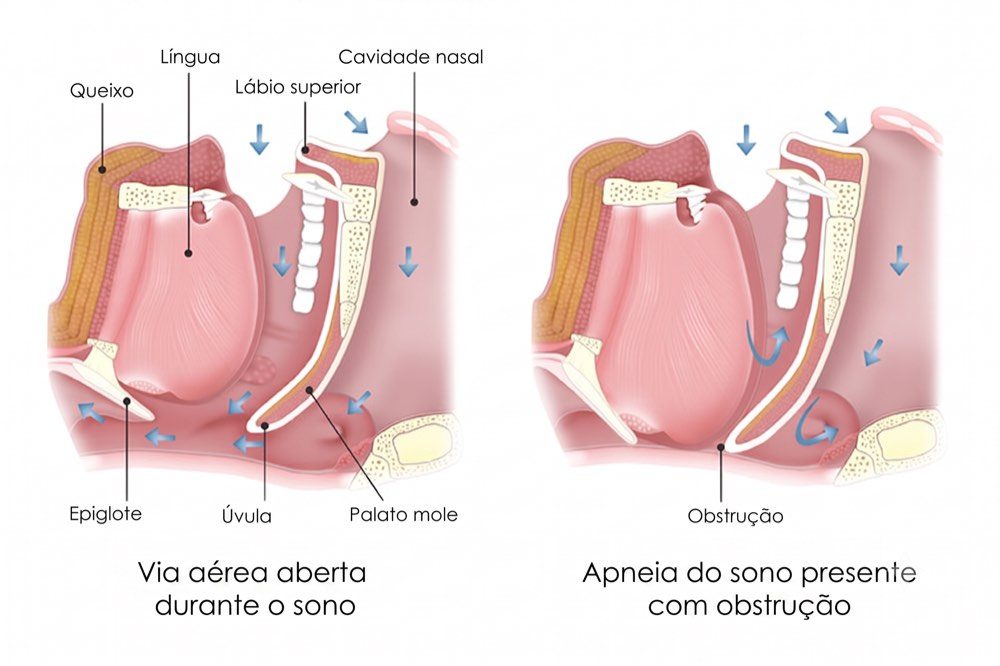
    Illustration comparing the open airway during sleep and the obstructed airway in apnea

    Prevalence and epidemiology: more common in men, but not rare in women

    Apnea is, in fact, more frequent in men. One of the landmark population studies, the Wisconsin Sleep Cohort, found sleep-disordered breathing (defined as an apnea-hypopnea index [AHI] of 5 or more per hour of sleep) in about 24% of middle-aged men and 9% of middle-aged women. The classic ratio described is roughly 2 to 3 men for every woman in the general population.

    But that figure hides a trap. In clinics and sleep laboratories, for a long time the ratio seemed even higher (it was sometimes described as 8 or 10 men for every woman), not because women are so much less affected, but because they were referred for investigation far less often. In other words, part of the difference between the sexes is not biological, it is diagnostic.

    There is also a factor that changes everything over the course of a woman’s life: menopause. Before it, a woman’s risk is lower. Afterward, prevalence rises markedly and approaches that seen in men. Apnea, then, is not a “man’s disease,” but a condition that is distributed differently between the sexes and over time.

    Causes: why men tend to have more

    The differences begin with anatomy and physiology.

    • Fat distribution. Men tend to accumulate fat around the neck and abdomen (the android pattern), which increases pressure on the airway and the effort of breathing while lying down.
    • Airway shape and length. The male airway tends to be longer and more prone to collapse during sleep.
    • Female hormonal protection. Before menopause, female hormones (especially progesterone and estrogen) help maintain respiratory drive and the tone of the muscles that support the throat. This acts as partial protection. With the hormonal decline of menopause, this protection lessens and risk increases.

    In women, other triggers also come into play: weight gain, polycystic ovary syndrome, and pregnancy itself, a period in which hormonal and anatomical changes can favor the onset or worsening of apnea. In both sexes, nasal obstruction (from a deviated septum, enlarged turbinates, or rhinitis) and excess weight often contribute to the problem.

    Symptoms: the same condition, two different portraits

    Here is perhaps the most important difference of sleep apnea in men and women in practice.

    In men, apnea usually presents in the “classic” portrait, the one most people recognize:

    • loud, persistent snoring;
    • pauses in breathing noticed by the person sleeping beside them;
    • excessive daytime sleepiness (dozing off in meetings, in traffic, while reading).

    In women, symptoms tend to be less typical and, for that reason, more easily confused with other conditions:

    • tiredness and lack of energy (more than “sleepiness” as such);
    • insomnia or unrefreshing sleep;
    • headache on waking;
    • mood changes, such as anxiety and depressive symptoms;
    • difficulty with concentration and memory.

    Snoring does occur in women, but it is usually reported as milder, and breathing pauses are noticed less often. As a result, the complaint that leads to diagnosis frequently never surfaces.

    Woman waking up tired with a headache, a sign of unrefreshing sleep

    The way symptoms are expressed also differs

    It is not only the body that behaves differently: so does the way people describe what they feel. Many women do not report snoring spontaneously, whether because they sleep alone and no one observes them, or because of a social embarrassment still attached to snoring in women. And when they describe feeling unwell, they tend to use words like “tiredness,” “exhaustion,” or “stress,” rather than “daytime sleepiness.”

    Men, on the other hand, often come to the office prompted by the complaint of whoever shares their bed: it is the loud snoring and the breathing pauses that trigger the search for help. This difference in how symptoms are reported means that apnea in men is “seen” more easily, while apnea in women stays silent for longer.

    Effects on life and health

    Untreated apnea goes well beyond poor sleep. In both sexes, it is associated with a higher risk of hypertension, arrhythmias, cardiovascular disease, metabolic changes, and worse quality of life.

    In women, some aspects deserve special attention. Mood and fatigue symptoms tend to weigh heavily on daily life and on the sense of well-being. And during pregnancy, apnea is associated with a higher risk of complications such as gestational hypertension, preeclampsia, and gestational diabetes, which reinforces the importance of investigating sleep during this period as well.

    In men, earlier diagnosis is an advantage, but daytime sleepiness carries concrete risks, such as traffic and workplace accidents, along with an impact on performance and relationships.

    How each sex tends to cope with the condition

    Because they are referred less and later, many women spend years with symptoms attributed to depression, hypothyroidism, anemia, fibromyalgia, or “menopause things” before apnea is even considered. This delay in diagnosis is one of the most important points to correct.

    In men, the path to diagnosis tends to be shorter, especially when a partner notices the snoring and the pauses. Once diagnosed, men and women may face different strengths and difficulties in sticking with treatment, which is why close follow-up, adjusting whatever is needed, makes a difference to the outcome.

    The practical message is simple: chronic tiredness, unrefreshing sleep, morning headache, and mood changes warrant a sleep evaluation, even without the thunderous snoring of the classic portrait.

    Diagnosis: the same test, with a close eye on the differences

    Diagnosis does not use a different test according to sex, but it does require attention so that apnea in women is not missed. The evaluation usually includes:

    • a detailed conversation about sleep, symptoms, and habits;
    • examination of the airway, often with nasal endoscopy, to check whether a nasal component is contributing;
    • when indicated, polysomnography (the “sleep study”), which confirms the diagnosis and grades its severity.

    One extra caution is worth noting: in women, apnea tends to concentrate in certain sleep stages (such as REM sleep) and in certain positions, and the index of events per hour may be lower even when symptoms are significant. For that reason, the number from the test alone must always be interpreted together with the person’s clinical picture.

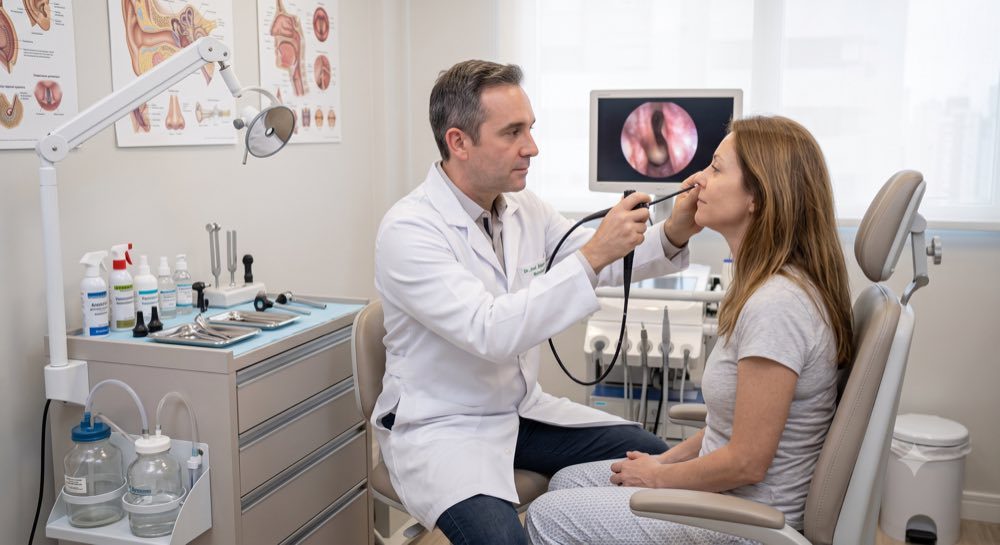
    Otolaryngologist evaluating the airway with nasal endoscopy in consultation

    Treatment of sleep apnea in men and women: the same principles, individually tailored

    Treatment options are, on the whole, the same for men and women, and the choice depends on severity, anatomy, and each person’s lifestyle:

    • CPAP (continuous positive airway pressure) remains the most established treatment for moderate to severe apnea in both sexes.
    • Oral appliance (mandibular advancement device, MAD) and positional therapy: useful in selected cases, especially when apnea is milder, positional, or concentrated in REM sleep, a pattern common in women.
    • Treating the nose: when nasal obstruction is part of the problem, septoplasty and turbinoplasty can improve breathing and even help with CPAP adherence.
    • Laser: for snoring and mild to moderate apnea, the Fotona laser (NightLase protocol) can be a non-surgical alternative. It involves 3 to 4 in-office sessions, with good results in selected cases.
    • Surgery: in some cases, surgery, such as septoplasty, robotic pharyngoplasty, or barbed reposition pharyngoplasty (BRP), can be a treatment option in patients with favorable anatomical features.
    • Lifestyle changes: weight control and attention to alcohol at night and to sleep are also part of treatment, whatever the sex.

    In women, it is also worth considering the stage of life (menopause and pregnancy, for example) when deciding on the best strategy. In every case, the goal is the same: to treat the cause of the obstruction, not merely to silence the snoring.

    Frequently asked questions

    Is sleep apnea only a man’s problem?

    No. Apnea is more frequent in men, but it also occurs in women, especially after menopause. Much of the observed difference comes from the fact that the condition is investigated less often in women, not simply from women being affected less.

    Why is apnea harder to diagnose in women?

    Because the symptoms tend to be less typical: tiredness, insomnia, headache on waking, and mood changes, rather than loud snoring with pauses. These signs are easily confused with depression, stress, or menopause symptoms, which delays diagnosis.

    Does snoring only a little mean I don’t have apnea?

    Not necessarily. Snoring can be mild or barely noticed, especially in women, and apnea may still be present. If there is persistent tiredness, unrefreshing sleep, or sleepiness, it is worth investigating.

    Does menopause increase the risk of apnea?

    Yes. As female hormones decline, the partial protection against apnea lessens, and prevalence in women rises, approaching that seen in men.

    Is apnea in pregnancy a cause for concern?

    It can be. Apnea during pregnancy is associated with a higher risk of gestational hypertension, preeclampsia, and gestational diabetes. Sleep symptoms in pregnancy warrant evaluation.

    Is the treatment different for men and women?

    The principles are the same (CPAP, treating the nose, an oral appliance, lifestyle changes, laser, or surgery in selected cases). What changes is the individual tailoring, taking into account anatomy, severity, sleep pattern, and each person’s stage of life.

    It’s worth discussing your case

    If you (or someone close to you) has tiredness that won’t go away, unrefreshing sleep, snoring, or breathing pauses, the first step is an evaluation that gets to the origin of the problem. Sleep apnea is treatable, and recognizing that sleep apnea in men and women shows up differently is part of reaching the right diagnosis.

    Dr. José Eduardo Marcondes is a PHYSICIAN and otolaryngologist (ENT) (CRM-SP 107.711 | RQE 43.840), working in nasal surgery and in the treatment of snoring and sleep apnea, seeing patients in Morumbi and Itaim (São Paulo) and in Alphaville (Barueri). If it makes sense for you, book a consultation so we can discuss your case.

    References

    1. Young T, Palta M, Dempsey J, Skatrud J, Weber S, Badr S. The occurrence of sleep-disordered breathing among middle-aged adults. New England Journal of Medicine. 1993;328(17):1230-1235. doi:10.1056/NEJM199304293281704.
    2. Bonsignore MR, Saaresranta T, Riha RL. Sex differences in obstructive sleep apnoea. European Respiratory Review. 2019;28(154):190030. doi:10.1183/16000617.0030-2019.
    3. Lin CM, Davidson TM, Ancoli-Israel S. Gender differences in obstructive sleep apnea and treatment implications. Sleep Medicine Reviews. 2008;12(6):481-496. doi:10.1016/j.smrv.2007.11.003.

    This content is informational, does not replace a medical consultation, and does not supersede the plan of care defined by your own physician.

    About the author

    Dr. José Eduardo Marcondes

    Physician, Otolaryngologist (ENT) · CRM-SP 107.711 · RQE 43.840

    Trained and completed his residency at Escola Paulista de Medicina (UNIFESP), with more than two decades of experience. Focused on the treatment of snoring and sleep apnea, nasal obstruction, chronic sinusitis, adenoids and tonsils, in adults and children. Member of ABORL-CCF and of the medical staff at Hospital Israelita Albert Einstein, Vila Nova Star and São Luiz.

    Learn about his full career → · Schedule an appointment on WhatsApp


  • Enlarged adenoids and tonsils in children: when is it time to operate

    Enlarged adenoids and tonsils in children: when is it time to operate

    Few decisions leave parents as uncertain as the prospect of their child undergoing surgery. If you have reached this page after nights spent listening to your child snore, watching them sleep with an open mouth, or after yet another bout of sore throat, it is only natural to feel that mix of worry and doubt: “does my child really need an operation?”

    The good news is that this decision does not have to be made in the dark. There are well-established criteria, based on medical guidelines, that help separate the cases worth watching and waiting from those in which surgery tends to bring a real benefit. This article explains, in plain language, what the adenoid and tonsils are, why they enlarge, which signs deserve attention, and how the otolaryngologist (ENT) reaches a conclusion about whether or not to operate.

    The aim here is to give you quality information so you can have a calmer conversation during the appointment and better understand what is happening with your child.

    Child sleeping with an open mouth, a possible sign of enlarged adenoids or tonsils

    What are the adenoid and the tonsils?

    The adenoid and tonsils are defense tissues made up of immune system cells. They act as a kind of “watch post” at the entrance to the airway, helping the body recognize viruses and bacteria, especially in the first years of life.

    • Tonsils (or palatine tonsils): located on the sides of the throat. They are those two little “balls” you can see when the child opens their mouth wide.
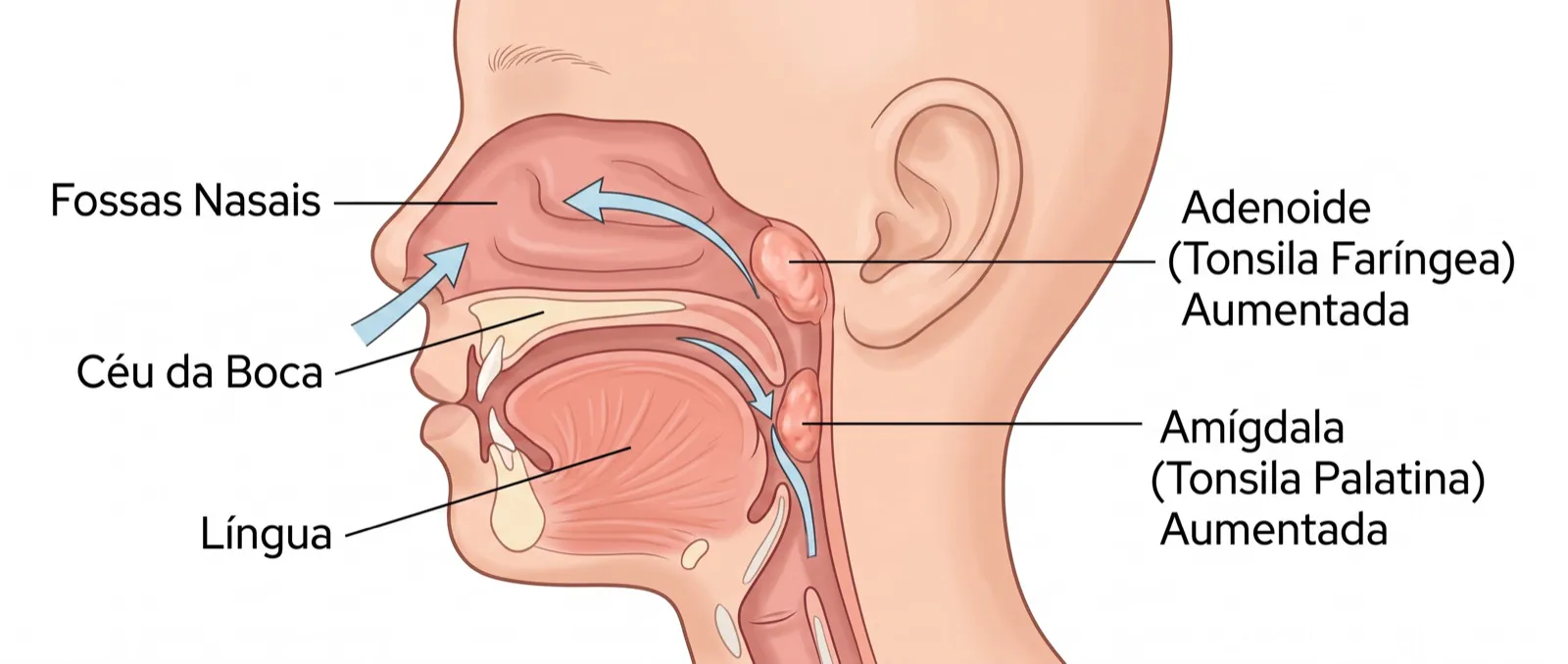
    • Adenoid (or pharyngeal tonsil): more hidden, at the back of the nose, behind the roof of the mouth. It cannot be seen with the naked eye in an ordinary appointment, which is why many parents have never seen it. It is like a third tonsil at the back of the nose.
    Illustration of the location of the adenoid at the back of the nose and the tonsils in a child’s throat

    Although they are part of the defense system, the body has many other immune mechanisms. For this reason, when surgery is needed, removing these tissues does not leave the child “defenseless,” as is often feared.

    Why do the adenoid and tonsils enlarge?

    It is common for these tissues to grow naturally in the first years of life, precisely during the stage when the child has the most contact with viruses and bacteria (daycare, school, older siblings). This enlargement is often temporary and tends to recede as the child grows.

    The problem appears when the enlargement is great enough to interfere with breathing and sleep, or when the tonsils become infected repeatedly. Some children have an individual tendency toward larger tissues; respiratory allergies and recurrent infections can also contribute.

    It is worth separating two scenarios that parents often blur together:

    1. Enlarged size that obstructs (large adenoid and/or tonsils that make breathing and sleeping difficult).
    2. Recurrent infections (frequent tonsillitis), which is a different problem, even though it sometimes occurs in the same child.

    The criteria for considering surgery differ in each of these scenarios, as you will see below.

    Which signs in children deserve parents’ attention?

    The signs vary according to what is enlarged and by how much. We have gathered the most common ones below. Seeing one or another isolated item does not mean surgery is indicated, but the presence of several signs, in a persistent way, is a good reason to seek an evaluation.

    Signs linked to obstruction and sleep (large adenoid and tonsils)

    • Frequent snoring, several nights a week.
    • Mouth breathing, while asleep and sometimes awake; a child who sleeps with an open mouth or keeps the mouth open during the day.
    • Restless sleep, with frequent position changes, awakenings, and the feeling that the child “doesn’t rest.”
    • Pauses in breathing during sleep, sometimes followed by a gasp or choking sound (the sign that worries parents most, and rightly so).
    • A nasal-sounding voice (as if always “stuffed up”) and difficulty breathing through the nose.
    • Daytime sleepiness or irritability, difficulty concentrating, and an impact on school performance.
    • Bedwetting that persists or returns, which in some children is related to the sleep disorder.
    • In more prolonged cases, changes in growth or in the shape of the face and dental arch, linked to continuous mouth breathing, along with dental or bite changes.

    Together, these signs may point to what we call sleep-disordered breathing, which ranges from simple snoring to obstructive sleep apnea (OSA) in children, when there are pauses and a drop in sleep quality and oxygenation. This is a topic that deserves attention because sleep is essential to a child’s development. (You can read more about this in our article on sleep apnea in children.)

    Parents at an appointment with an otolaryngologist to evaluate a child’s adenoid and tonsils

    Signs linked to recurrent infections (tonsils)

    • Recurrent tonsillitis: frequent episodes of sore throat with fever, exudate (white spots) on the tonsils, and swollen glands in the neck.
    • Recurrent school absences and repeated use of antibiotics over the course of the year.

    If the main complaint is repeated sore throats, it is worth understanding the situation better on our page about tonsillitis and sore throat.

    Signs linked to the ear

    • Recurrent ear infections (otitis media) or fluid behind the eardrum, which may be related to an enlarged adenoid.
    • A sense of muffled hearing or asking to turn up the TV volume, which, in children, sometimes goes unnoticed.

    When is it a matter of simply monitoring, and when is investigation needed?

    Not every instance of snoring, and not every large tonsil, means surgery. In many cases, the most sensible approach is to monitor, because these tissues may recede as the child grows.

    In general, it usually makes sense to observe and reassess when:

    • snoring is occasional, linked to colds or allergy flare-ups, and improves outside those periods;
    • there are no pauses in breathing or signs of poor-quality sleep;
    • throat infections are infrequent;
    • the child grows, sleeps, and functions well day to day.

    On the other hand, it is usually worth investigating with an otolaryngologist when there is:

    • frequent snoring accompanied by mouth breathing and restless sleep;
    • reports of pauses in breathing during sleep;
    • an impact on behavior, attention, or school performance;
    • repeated throat infections over the course of the year;
    • recurrent ear infections or suspected hearing loss.

    The decision between monitoring and operating is individual and takes into account the intensity of the symptoms, the child’s age, the impact on their life, and the physical examination, not just the size of the tissues in isolation.

    How does the otolaryngologist evaluate the child?

    The evaluation begins with a detailed conversation (clinical history) and the physical examination. Often, this combination already guides the approach well. Depending on the case, the physician may turn to:

    • Examination of the throat and nose, to estimate the size of the tonsils and assess breathing.
    • Flexible nasolaryngoscopy (an examination with a thin, flexible camera) or, in some cases, a lateral neck radiograph, to assess the adenoid, which is normally not visible to the naked eye. The choice of examination depends on the child’s age and cooperation.
    • Polysomnography (sleep study): this is the reference test to confirm and measure the severity of OSA. According to the guidelines, it is usually indicated when there is doubt about the real need to operate, or in children with conditions that increase risk (for example, very young age, obesity, Down syndrome, or craniofacial or neuromuscular abnormalities). Not every child needs this test before surgery.
    • Hearing assessment, when ear infections or hearing loss are suspected.

    The goal of this stage is to understand the overall picture, not just “how big it is”, so that the indication, if any, is genuinely well-founded.

    When is surgery usually indicated in children?

    The most common surgery in this context is adenotonsillectomy (removal of the adenoid and tonsils). In some cases, only the adenoid is removed (adenoidectomy) or only the tonsils (tonsillectomy), depending on the evaluation.

    Recognized medical guidelines (such as those of the American Academy of Otolaryngology – AAO-HNS) organize the indications around two main reasons. It is worth stressing that these criteria guide the consultation, but the surgical indication is always an individual decision, made case by case between the family and the physician, not an automatic recommendation for every child with enlarged adenoids or tonsils.

    1. Airway obstruction and sleep apnea

    When enlargement of the adenoid and/or tonsils causes OSA or sleep-disordered breathing with an impact on the child, surgery is considered the first-line treatment, according to the leading guidelines. In these cases, improving sleep and breathing is usually the main goal.

    2. Recurrent throat infections

    For recurrent tonsillitis, the guidelines adopt quite objective criteria (known as the Paradise criteria) to help with the decision. In general, surgery tends to be considered when the number of well-documented sore-throat episodes is:

    • 7 or more episodes in 1 year; or
    • 5 or more episodes per year over the last 2 years; or
    • 3 or more episodes per year over the last 3 years.

    For this purpose, each episode must have been a sore-throat episode accompanied by at least one of the following findings: fever above 38.3 °C, swollen glands in the neck (tender lymph nodes), exudate on the tonsils, or a positive test for streptococcus bacteria (group A Streptococcus).

    Below these numbers, the guidelines recommend watching and waiting rather than operating, since in these cases surgery may not bring as much benefit. This is not a rigid, automatic rule: particular situations (such as severe tonsillitis, recurrent abscesses, or other factors) can change the assessment, always on an individual basis.

    In short: the number of episodes is not everything, but it is an important starting point. That is why it is worth noting down the dates and symptoms of your child’s tonsillitis over time; this history is a great help to the physician in deciding.

    What is recovery from surgery usually like?

    Adenotonsillectomy is usually a short procedure, generally with discharge on the same day or after a night of observation, depending on the child’s age, the case, and the team’s assessment.

    General points that are usually part of the postoperative period (always according to the physician’s individual guidance):

    • Sore throat in the first few days, which is expected and managed with medication.
    • A preferably cold, soft, and light diet at first, gradually returning to normal.
    • Relative rest and a temporary break from school and more intense physical activities for a few days.
    • Attention to warning signs indicated by the team, such as bleeding, a situation in which medical care should be sought.

    Today there is the option of using certain technologies that improve the quality and safety of the postoperative period, such as radiofrequency. To learn more about this advance in surgery, visit my page on tonsillectomy with coblation.

    Like any surgery, adenotonsillectomy has benefits and also risks, which must be explained and weighed case by case. There is no procedure without risks, and the decision must always weigh what is gained against what is avoided. Follow-up after surgery is an important part of the process.

    Parents’ frequently asked questions (FAQ)

    Is it normal for a child to snore?

    Snoring now and then, during a cold, can happen. What deserves attention is frequent snoring, especially when accompanied by mouth breathing, restless sleep, or pauses in breathing. In these cases, it is worth seeking an evaluation.

    Do enlarged adenoids and tonsils always need surgery?

    No. Many cases are monitored over time, because these tissues may recede as the child grows. Surgery is considered when there is significant obstruction of sleep/breathing or recurrent infections within certain criteria.

    Does removing the adenoid and tonsils weaken a child’s immunity?

    The body’s defense system is broad and relies on several other organs and mechanisms. When surgery is well indicated, removing these tissues does not usually compromise a child’s immunity in any meaningful way.

    What is the difference between adenoidectomy, tonsillectomy, and adenotonsillectomy?

    Adenoidectomy is the removal of the adenoid only; tonsillectomy, of the tonsils only; and adenotonsillectomy, of both. What is removed depends on the evaluation of each child.

    Do snoring and mouth breathing improve after surgery?

    When the problem is caused mainly by the enlargement of these tissues, the tendency is for significant improvement in breathing and sleep. In some children, especially when there are other factors (such as obesity), follow-up and additional measures may be needed. The individual evaluation is what defines a realistic expectation.

    Is there a right age to operate?

    There is no single age. The decision considers the symptoms, the impact on the child, and the otolaryngologist’s evaluation. In very young children, additional care is usually taken during the investigation.

    Can it be treated without surgery?

    In some cases, especially milder ones or those linked to allergy, monitoring and medical treatment of the associated causes (such as rhinitis) may be enough. The approach depends on the case.

    When to seek an evaluation?

    If your child snores frequently, sleeps with an open mouth, has restless sleep, shows pauses in breathing, or has recurrent tonsillitis, it is worth talking to an otolaryngologist. A careful evaluation helps to determine, with sound judgment, whether the best path is to monitor or to operate, and to lift from parents the burden of deciding on their own.

    To better understand enlarged adenoids in childhood, you can also read our page on adenoid hypertrophy in children and, if surgery is under discussion, the page on adenotonsillectomy. There is also content dedicated to adenoid and tonsil surgery in children.

    Dr. José Eduardo Merighe Marcondes, PHYSICIAN (CRM-SP 107.711, RQE 43.840), otolaryngologist, treats children and adults in Morumbi and Itaim (São Paulo-SP) and in Alphaville (Barueri-SP), with a focus on snoring and sleep apnea, including in childhood. Book a Consultation.

    This content is informational, does not replace a medical consultation, and does not supersede the plan of care defined by your own physician.

    About the author

    Dr. José Eduardo Marcondes

    Physician, Otolaryngologist (ENT) · CRM-SP 107.711 · RQE 43.840

    Trained and completed his residency at Escola Paulista de Medicina (UNIFESP), with more than two decades of experience. Focused on the treatment of snoring and sleep apnea, nasal obstruction, chronic sinusitis, adenoids and tonsils, in adults and children. Member of ABORL-CCF and of the medical staff at Hospital Israelita Albert Einstein, Vila Nova Star and São Luiz.

    See the full background → · Book a consultation on WhatsApp

  • Running and Nasal Obstruction: How to Breathe Well Again and Perform Better

    Running and Nasal Obstruction: How to Breathe Well Again and Perform Better

    Breathing well through your nose is essential for runners. Adequate nasal airflow warms, filters and humidifies the air, improves your sense of comfort and contributes to more efficient gas exchange, which can translate into better performance and less fatigue throughout your training sessions and races.

    Allergic rhinitis and exercise

    Allergic rhinitis is one of the leading causes of nasal obstruction in runners. Exposure to pollen, dust, mites and animal dander inflames the nasal lining, leading to congestion, sneezing and itching precisely when the body needs greater airflow. During a run, this internal swelling narrows the nasal passages and favors mouth breathing, which is less efficient and more uncomfortable, especially on cold or dry days.

    Nasal obstruction and its impact on running performance

    When the nose does not ventilate well, the need to breathe through the mouth increases, which tends to raise the perceived effort and the breathing rate. This may result in an earlier sense of tiredness, a drop in pace, poorer sleep quality from nighttime congestion and reduced recovery between sessions. In long races, breathing exclusively through the mouth also favors a dry mouth, sore throat and greater thermal discomfort, all factors that can undermine consistent performance.

    Benefits of medical treatment

    Well-managed medical treatment reduces inflammation and swelling of the nasal lining, restoring airflow through the nose. Saline solutions, intranasal corticosteroids and antihistamines, combined with a strategy of environmental control and adjusting training times according to allergic triggers, often greatly improve breathing comfort. In selected cases, allergen-specific immunotherapy may reduce nasal reactivity over time, bringing more stable symptoms and more predictable performance.

    Nasal dilators while running

    Nasal dilators can be useful allies for runners who notice their airflow worsening during more intense efforts. There are two main categories: external adhesive strips, which gently pull the nostrils outward, and internal devices, usually made of silicone, that keep the nasal valve open. In both cases, the goal is to reduce collapse of the lateral wall and ease the entry of air, especially during sprints, climbs and dry or cold days.

    In practice, they offer an immediate effect, are affordable and may lessen the feeling of suffocation, the need to breathe through the mouth and the discomfort of a dry mouth. They work best when rhinitis is under control and there is a mild component of valve weakness, serving as a complementary strategy in training, races and periods of greater exposure to allergic triggers. It is important to try different models and sizes, observe how the skin tolerates the strips and how comfortable the internal devices feel, always maintaining nasal hygiene and the medical treatment recommended by your specialist.

    Like any external solution, its effect is temporary and the response is individual. They do not correct structural causes of obstruction, such as a deviated septum, turbinate hypertrophy or significant collapse of the nasal valve. If you find yourself constantly depending on a dilator in order to run, a detailed otolaryngologist (ENT) evaluation is recommended to define a lasting plan. In fact, a good response to dilators may indicate that surgical valve reinforcement will bring sustained benefit; in cases of collapse during vigorous inspiration, the alar batten graft stabilizes the nasal valve, offering durable improvement in breathing comfort without compromising appearance.

    When surgery comes into play

    Not all obstruction is purely inflammatory. A deviated septum, turbinate hypertrophy and structural weakness of the nasal valve can keep congestion going even with optimized medical treatment. Surgical correction, when indicated, aims to restore anatomy and function, allowing the nasal airway to support the increased airflow of exertion without collapsing. Procedures such as septoplasty, turbinate reduction and reinforcement of the nasal valve are individualized, focusing on a lasting functional result and a safe return to activity.

    Alar batten for intense effort

    In many runners, closure of the external nasal valve during vigorous inspiration is the critical point of the obstruction. The alar batten graft acts as a discreet reinforcement of the lateral wall of the nose, preventing collapse during peak airflow. In practice, this means freer air entry during accelerations and climbs, less of a suffocating feeling, reduced reliance on mouth breathing and greater comfort at high paces. Beyond the functional benefit, a well-planned reinforcement preserves the appearance of the nose, a key aspect for those seeking a complete and lasting solution.

    Next step

    If nasal obstruction is limiting your training and holding back your running performance, a thorough evaluation with nasal endoscopy and functional testing helps shape the ideal plan for you, from advanced medical management to structural correction when needed. The practice of Dr. José Eduardo Marcondes, an otolaryngologist (ENT) with more than two decades of experience, offers personalized care at premier locations in São Paulo and Alphaville. Book a consultation and get back to running while breathing through your nose, with comfort, safety and high performance.

    Dr. José Eduardo Marcondes, physician, otolaryngologist (ENT). CRM-SP 107.711 (Brazilian medical license) | RQE 43.840 (specialist registration). This content is informational, does not replace a medical consultation, and does not supersede the plan of care defined by your own physician.

    About the author

    Dr. José Eduardo Marcondes

    Physician, Otolaryngologist (ENT) · CRM-SP 107.711 · RQE 43.840

    Trained and completed his residency at Escola Paulista de Medicina (UNIFESP), with more than two decades of experience. Focused on the treatment of snoring and sleep apnea, nasal obstruction, chronic sinusitis, adenoids and tonsils, in adults and children. Member of ABORL-CCF and of the medical staff at Hospital Israelita Albert Einstein, Vila Nova Star and São Luiz.

    Discover his full career → · Book a consultation on WhatsApp

  • Radiofrequency Tonsillectomy: What It Is and Its Advantages

    Radiofrequency Tonsillectomy: What It Is and Its Advantages

    Coblation is a technology that uses radiofrequency in a saline medium to generate a plasma field capable of dissolving tissue precisely and with low heat transfer, helping to preserve surrounding structures. In tonsil surgery, this may allow for less trauma, careful bleeding control, and a more comfortable recovery, with particular emphasis on intracapsular tonsillectomy performed with radiofrequency by coblation.

    What is coblation?

    Coblation refers to controlled tissue ablation through a plasma field created at the tip of the instrument in a saline solution. Unlike conventional electrocautery, the energy works at lower temperatures, breaking down the molecular bonds of the tissue rather than burning it, which helps reduce collateral thermal damage and preserve anatomical planes.

    How does radiofrequency work?

    Radiofrequency is an alternating current that, when interacting with saline solution, forms a stable plasma that fragments the target tissue with excellent hemostasis. Power control and continuous irrigation keep the field clean and cooler, favoring delicate dissection and clear visualization throughout the procedure.

    Advantages in tonsil surgery

    • Less postoperative pain thanks to low thermal diffusion and the preservation of adjacent mucosa and muscles.
    • Less intraoperative and postoperative bleeding due to efficient coagulation of the microvasculature during ablation.
    • A faster recovery, with a safe and predictable return to activities.
    • Greater precision in delicate areas, helping to reduce edema, exudate, and thick crusting in the tonsillar fossae.
    • Less need for additional cauterization, reducing mucosal irritation and postoperative odor.

    Intracapsular vs. extracapsular

    • Intracapsular tonsillectomy: removes the tonsillar parenchyma while preserving a thin capsular layer, which tends to reduce pain, bleeding, and muscle spasm, keeping the mucosa more intact and supporting healing. It may be especially useful in hypertrophy with sleep-disordered breathing and in patients who prioritize a more comfortable postoperative course.
    • Extracapsular tonsillectomy: removes the entire tonsil along with its capsule, indicated when there is refractory recurrent tonsillitis, persistent tonsil stones with halitosis, prior abscesses, or chronic structural changes. It may offer a lower chance of recurrent infection when the focus is predominantly infectious and persistent.

    Intracapsular tonsillectomy with radiofrequency

    In the intracapsular technique, radiofrequency by coblation makes it possible to reduce tonsil volume in a controlled way, preserving the capsule as a “protective layer” that decreases the exposure of nerve endings and, consequently, pain. The refined thermal control helps minimize injury to the constrictor muscles and keeps swallowing function more preserved, supporting early hydration and feeding. In experienced hands, it may combine consistent functional results for the airway and sleep with a more comfortable and predictable recovery profile.

    Who is it indicated for?

    Intracapsular tonsillectomy with radiofrequency may be especially indicated for children and adults with tonsillar hypertrophy associated with snoring and sleep apnea, breathing difficulty, impaired swallowing, or an impact on quality of life. It is also suitable for those seeking volume reduction with less pain and a lower risk of bleeding, including patients who need to resume professional and athletic activities more quickly.

    Points to consider

    Although rare, there may be minimal persistence of deep tonsillar tissue with the possibility of future regrowth in specific situations. When there is a history of significant recurrent infections, intense tonsil stones, or prior abscesses, the extracapsular approach may be considered to more completely eliminate the focus.

    What is recovery like?

    With general anesthesia and discharge generally on the same day, a structured analgesic plan prioritizes comfort and safety. Preserving the capsule may reduce the intensity of pain, ease hydration and early soft feeding, and lower the risk of delayed bleeding, supporting a smoother recovery. The return to routine is personalized, taking into account the patient’s occupation, sport, and individual needs.

    Why choose Dr. José Eduardo Marcondes

    With more than two decades of experience, a focus on functional results of the upper airway, and command of energy-based technologies, Dr. José Eduardo Marcondes offers a precise, safe, and personalized approach. Care is provided at leading locations in São Paulo (Itaim and Morumbi) and in Alphaville, combining comfort, current technology, and a team prepared to support every step of care.

    Book a consultation

    If snoring, sleep apnea, swallowing difficulties, or tonsillar hypertrophy are affecting your well-being, a specialized evaluation can define the best surgical strategy for your case. Book a consultation to calmly discuss whether intracapsular tonsillectomy with radiofrequency is the most appropriate option for your goals and lifestyle.

    Dr. José Eduardo Marcondes, physician, otolaryngologist (ENT). CRM-SP 107.711 (Brazilian medical license) | RQE 43.840 (specialist registration). This content is informational, does not replace a medical consultation, and does not supersede the plan of care defined by your own physician.

    About the author

    Dr. José Eduardo Marcondes

    Physician, Otolaryngologist (ENT) · CRM-SP 107.711 · RQE 43.840

    Trained and completed his residency at Escola Paulista de Medicina (UNIFESP), with more than two decades of experience. Focused on the treatment of snoring and sleep apnea, nasal obstruction, chronic sinusitis, adenoids and tonsils, in adults and children. Member of ABORL-CCF and of the medical staff at Hospital Israelita Albert Einstein, Vila Nova Star and São Luiz.

    Learn about his full career → · Book a consultation on WhatsApp

  • Why Does My Ear Hurt When I Fly? Understanding Airplane Ear

    Why Does My Ear Hurt When I Fly? Understanding Airplane Ear

    The Eustachian tube is the channel that connects the middle ear to the nose and throat, and it works like a valve that opens during actions such as swallowing, yawning, or chewing to equalize the pressure in the ear with that of the surrounding environment. When this equalization fails, especially during rapid changes in altitude, you may experience pain, a feeling of a blocked ear, and clicking or popping sensations, a phenomenon that is very common on flights and when driving down mountain roads.

    The Eustachian tube and its role

    Each time we swallow or yawn, the Eustachian tube allows air to move in and out of the middle ear, keeping the eardrum in a comfortable position and preserving hearing. If the lining of the nose and nasopharynx is inflamed by rhinitis, sinusitis, or a cold, this airflow may be impaired and the tube tends to “lock,” generating negative or positive pressure in the ear.

    Why it hurts on the plane and in the mountains

    Inside an airplane cabin or on mountain roads, atmospheric pressure changes rapidly. If the tube does not open at the right pace, a pressure imbalance is created that pulls or pushes on the eardrum, causing pain, a feeling of fullness, and a temporary reduction in hearing. Descent tends to be the most critical moment on a flight, since the external pressure increases and the ear needs the tube to open efficiently in order to compensate.

    What is serous otitis media

    Serous otitis media is the buildup of fluid behind the eardrum without signs of acute infection, usually resulting from Eustachian tube dysfunction after colds, allergies, or episodes of barotrauma caused by pressure changes. This fluid reduces the mobility of the eardrum and the ossicular chain, leading to muffled hearing, a sensation of a full ear, and clicking when swallowing.

    Symptoms that deserve attention

    A feeling of a blocked ear, pressure or fullness, with clicking when yawning or swallowing.

    Reduced or fluctuating hearing, ringing in the ear (tinnitus) and, at times, mild imbalance, particularly after flights, mountain descents, or upper airway infections.

    Pain that worsens with changes in altitude or when trying to equalize the pressure.

    How the diagnosis is made

    The otolaryngology evaluation assesses the position and mobility of the eardrum and the presence of signs of fluid in the middle ear. Tests such as tympanometry and audiometry help confirm the serous buildup and quantify the conductive hearing loss, guiding the most appropriate course of action. In adults, persistent one-sided cases call for a careful investigation of the nasopharynx and of factors that may be obstructing the tube.

    Treatment and prevention

    Many cases of serous otitis media resolve on their own as Eustachian tube function recovers, which is why active observation, control of rhinitis, and self-inflation measures are common initial strategies.

    During flights or mountain descents, swallowing repeatedly, chewing gum, yawning, and performing gentle equalization maneuvers may help open the tube. It is important to do them without excessive force.

    Avoiding travel with a very congested nose and, when recommended by a specialist, using nasal sprays or decongestants for a short period may reduce the risk of barotrauma. Filtered earplugs designed for flying may be helpful for people who are sensitive to pressure changes.

    When fluid persists and affects quality of life, options such as ventilation tubes in the eardrum may help restore aeration of the middle ear. In selected cases, especially with chronic Eustachian tube dysfunction, Eustachian tube dilation may be considered after an individualized evaluation. In children, this relates to when an ear tube is needed.

    When to see an ENT specialist

    Seek care if you have intense pain, discharge from the ear, significant dizziness, fever, or if the feeling of a blocked ear and hearing loss persist longer than expected after a flight or a cold. Children, pregnant women, frequent flyers, and people with a history of ear problems may benefit from personalized preventive guidance before traveling. Relapses or prolonged symptoms deserve a detailed evaluation to confirm the diagnosis and define the most appropriate treatment.

    Specialized care in São Paulo (Itaim and Morumbi) and Alphaville

    For those who experience pain on a plane, discomfort when descending a mountain road, or a recurring feeling of a blocked ear, a careful evaluation makes it possible to identify the cause and choose the best approach, from clinical management to intervention when necessary. With long-standing experience in otolaryngology and care at well-regarded locations in Itaim, Morumbi, and Alphaville, the practice of Dr. Jose Eduardo Marcondes offers accurate diagnosis and a personalized plan to restore comfort and confidence to your travels and your daily life. Schedule your appointment and receive complete guidance focused on your case.

    Dr. José Eduardo Marcondes, physician, otolaryngologist (ENT). CRM-SP 107.711 (Brazilian medical license) | RQE 43.840 (specialist registration). This content is informational, does not replace a medical consultation, and does not supersede the plan of care defined by your own physician.

    About the author

    Dr. José Eduardo Marcondes

    Physician, Otolaryngologist (ENT) · CRM-SP 107.711 · RQE 43.840

    Trained and completed his residency at Escola Paulista de Medicina (UNIFESP), with more than two decades of experience. Focused on the treatment of snoring and sleep apnea, nasal obstruction, chronic sinusitis, adenoids and tonsils, in adults and children. Member of ABORL-CCF and of the medical staff at Hospital Israelita Albert Einstein, Vila Nova Star and São Luiz.

    Learn about his full career → · Schedule an appointment on WhatsApp
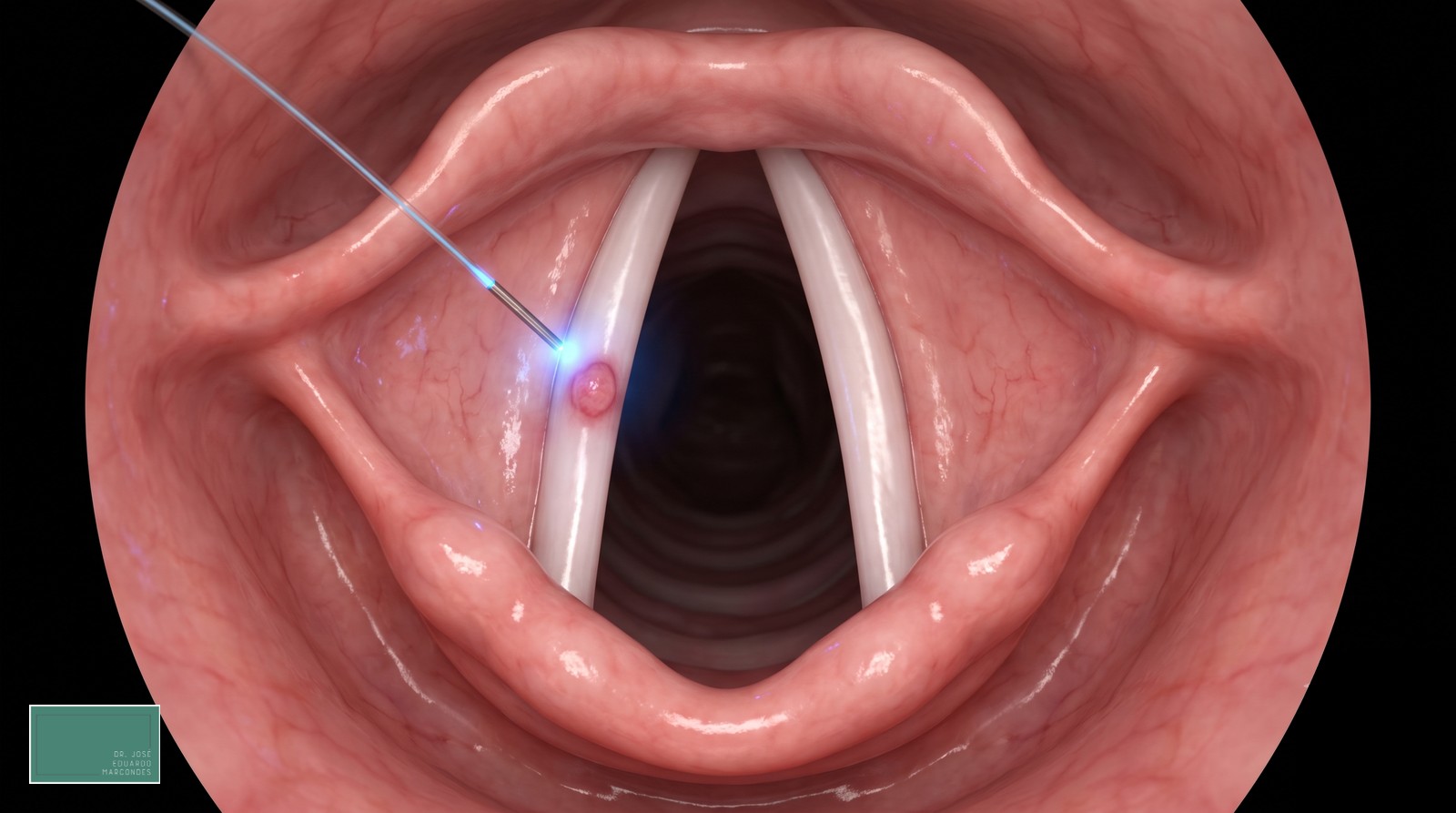
  • Deviated Septum

    Deviated Septum

    You’ve gotten used to breathing poorly!

    A deviated nasal septum is a common condition affecting the inner wall of the nose, the structure responsible for dividing the nasal cavities.
    This structure, known as the septum, can obstruct airflow when it is misaligned, leading to a range of discomforts that affect daily life in subtle but persistent ways.
    Many patients come to the office without realizing how significant the problem is, because the body gradually adapts over time, normalizing inadequate breathing that could be much better.

    Deviated Septum
    Deviated Septum

    Symptoms of Nasal Obstruction

    The symptoms of nasal obstruction caused by a deviated septum are varied and often underestimated. The main complaint is difficulty breathing through the nostrils, especially on one side, which may worsen during colds or in dry environments, resulting in a constant feeling of a stuffy nose. A deviated septum often comes with enlarged turbinates.

    Other signs include nighttime snoring, a preference for sleeping on a particular side to ease breathing, and a heightened awareness of the natural nasal cycle, in which one nostril feels more blocked than the other at alternating times. These discomforts can progress to mild facial pain or pressure in the paranasal sinuses, affecting sleep quality and daily energy.

    A body that has settled into mouth breathing!

    An important point is that many people get used to breathing poorly over the years and don’t realize how much it limits their vitality. What begins as mild congestion can become routine, leading to a reliance on mouth breathing that dries out the mouth, promotes cavities, and may even alter facial structure in long-standing cases. This adaptation masks the problem, but over time it proves harmful, especially for those seeking an active, healthy lifestyle.

    Man having difficulty breathing
    Man having difficulty breathing

    Risks of a deviated septum

    Among the associated risks are recurrent infections, such as chronic rhinosinusitis (CRS), resulting from inadequate drainage of the paranasal sinuses. The deviation can hinder the normal flow of mucus and air, creating an environment favorable to bacteria and inflammation that may cause intense headaches, fatigue, and recurring fevers. Left uncorrected, these infections can become chronic, affecting not only nasal health but also overall immunity and emotional well-being.

    Treatment is less complicated than you might think

    The good news is that the corrective surgery, known as septoplasty, can offer an effective solution to the problem. Performed by otolaryngology (ENT) specialists, the procedure repositions the septum to restore nasal balance, often improving breathing right away and reducing the risk of complications.

    At Dr. José Eduardo Marcondes’s practice, we use modern techniques that eliminate the need for postoperative nasal packing, helping to avoid discomforts such as bleeding, infection, and the sensation of complete obstruction that came with older procedures. With precise sutures and septal quilting (transfixing sutures), patients often experience a faster, more comfortable recovery, frequently returning to their activities within a few days.

    Stay alert

    If you recognize these symptoms in your daily life or would like a personalized evaluation, book a consultation with Dr. José Eduardo Marcondes. With more than 20 years of experience caring for a discerning clientele at the finest addresses in São Paulo and Alphaville, the doctor provides distinctive care focused on natural, lasting results that enhance your quality of life. Get in touch via WhatsApp for more information and book your consultation today.

    Dr. José Eduardo Marcondes, physician, otolaryngologist (ENT). CRM-SP 107.711 (Brazilian medical license) | RQE 43.840 (specialist registration). This content is informational, does not replace a medical consultation, and does not supersede the plan of care defined by your own physician.

    About the author

    Dr. José Eduardo Marcondes

    Physician, Otolaryngologist (ENT) · CRM-SP 107.711 · RQE 43.840

    Trained and completed his residency at Escola Paulista de Medicina (UNIFESP), with more than two decades of experience. Focused on the treatment of snoring and sleep apnea, nasal obstruction, chronic sinusitis, adenoids and tonsils, in adults and children. Member of ABORL-CCF and of the medical staff at Hospital Israelita Albert Einstein, Vila Nova Star and São Luiz.

    Learn about his full career → · Book a consultation on WhatsApp
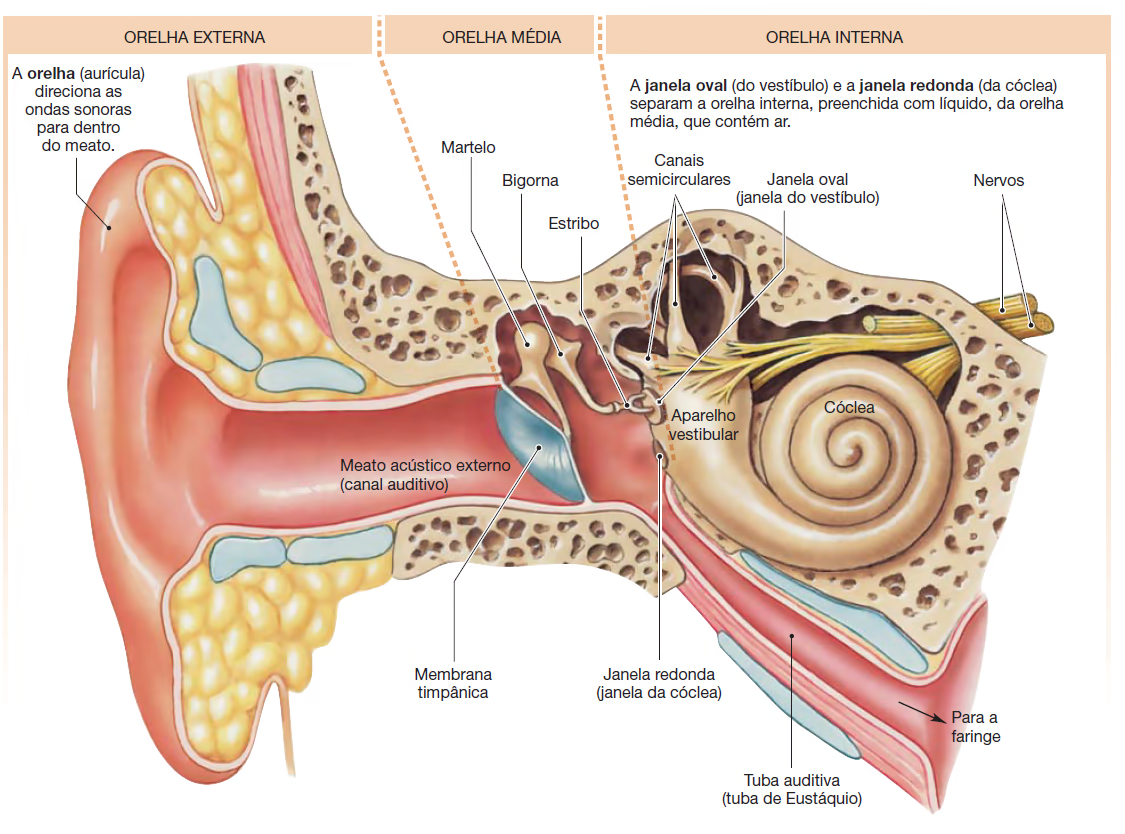
Agende